Key takeaways
What's inside
Buying a vacuum can feel overwhelming with endless marketing jargon, suction ratings, and futuristic features. Whether you are dealing with heavy pet shedding, high-traffic family rooms, or delicate hardwood floors, understanding what actually drives cleaning performance will save you time and money. Navigating the modern market requires looking past flashy advertisements to focus on the core engineering elements that determine how well a machine performs day in and day out.
As a floor-care reviewer, I have seen how easily buyers get distracted by unnecessary gimmicks and inflated specifications. This guide cuts through the noise to focus on the core specs, lifestyle factors, and design choices that truly dictate how well a vacuum cleans and how long it lasts in your home. By evaluating your specific flooring mix, storage space, and cleaning habits, you can narrow down the choices and invest in a reliable tool that makes household maintenance effortless.
As an Amazon Associate we earn from qualifying purchases at no extra cost to you. Product prices and availability are accurate as of the date shown and are subject to change.
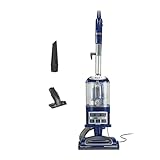
Understanding Suction Power vs. Airflow
High suction ratings mean very little if the machine cannot maintain proper airflow through the cleaning path. Airflow is the actual volume of air moving through the nozzle, which lifts and transports dirt into the dust cup. A vacuum can have a powerful motor, but if the floor head design lacks proper sealing or creates too much suction against the carpet, cleaning efficiency plummets. Manufacturers often highlight motor wattage, but actual cleaning performance relies on how effectively the system channels air from the cleaning head all the way through the exhaust filter without unnecessary resistance.
Matching Floor Types to Brush Roll Design
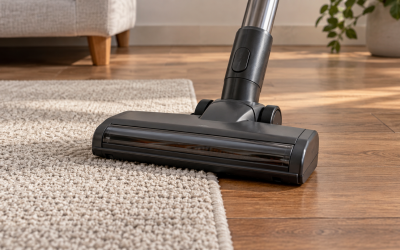
Hard floors require soft roller brushes or manual brush-roll shut-offs to prevent scratching delicate surfaces like polished wood or luxury vinyl tile while avoiding the scattering of larger debris. Carpets, on the other hand, demand stiff bristles and adjustable height gates to agitate deep-set dirt and hair embedded within carpet fibers. Multi-surface homes benefit heavily from versatile brush heads or automatic floor-type recognition that adjusts brush speed on the fly without manual intervention, ensuring optimal contact across completely different flooring materials.
Cordless vs. Corded: Making the Right Trade-off
Cordless units offer unbeatable grab-and-go convenience for quick daily cleanups, staircases, and above-floor dusting. However, battery degradation and limited run times—typically ranging from fifteen to sixty minutes depending on the power mode selected—can restrict heavy-duty, whole-home cleaning sessions. Corded vacuums remain the undisputed champions for uninterrupted runtime, consistent high-powered suction, and deep cleaning power across large square footage without the anxiety of a dying battery or the need to recharge mid-task.
Filtration Systems and Indoor Air Quality
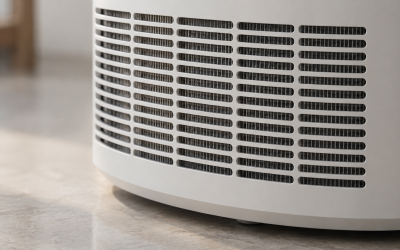
True high-efficiency particulate air filtration is non-negotiable for households dealing with allergies, asthma, or multiple shedding pets. A true filtration system captures microscopic dust mites, pollen, and pet dander, preventing them from recirculating back into the room air during vacuuming. Crucially, look for fully sealed systems, as a high-grade filter is useless if dirty air can leak out through unsealed seams, gaps, or cheap rubber gaskets around the motor housing before air exits the machine.
Bin Capacity, Weight, and Ergonomics
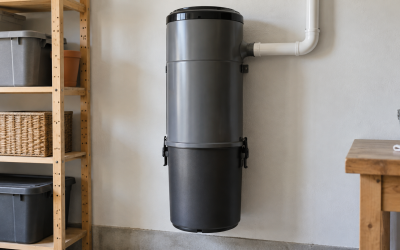
Consider how frequently you are willing to empty the dust cup or replace dust bags. Smaller handheld and stick vacuums feature compact bins that require frequent trips to the outdoor trash can, which can become tedious during extended cleaning routines. Weight distribution and overall ergonomics are equally critical; a top-heavy stick vacuum can strain your wrist over time, whereas a well-balanced upright or canister vacuum glides smoothly around furniture legs and corners with minimal physical effort, reducing fatigue during whole-house cleans.
Related Guides
If you are actively shopping for a new machine, you can explore our Best Home Vacuums in 2026: Tested and Ranked roundup to see our top overall picks. Shoppers on a tighter budget will find great value recommendations in our Best Inexpensive Vacuums in 2026: Tested and Ranked guide. Finally, sensitive households should check out the Best Allergy Vacuums under 200 in 2026: Tested and Ranked analysis for specialized air-filtration options.
FAQ
How often should I clean or replace my vacuum filters?
Washable foam and mesh filters should typically be rinsed every two to four weeks depending on usage frequency and household dust levels. Always ensure the filter is completely dry for at least twenty-four hours before reinstalling it to prevent mold growth or motor damage. HEPA filters that are not marked as washable should generally be replaced every six to twelve months.
Are bagless vacuums better than bagged models?
Bagless vacuums save you money on ongoing supply costs and let you see when the bin is full, but emptying them can release a cloud of dust back into the air. Bagged vacuums offer a cleaner, more hygienic disposal method since the dust is safely contained within a sealed pouch, making them vastly superior for allergy sufferers.
Do I need specialized attachments for pet hair?
While standard floor heads handle surface-level pet hair on flat carpets, specialized motorized mini-brush tools are essential for lifting embedded fur off upholstered furniture, car seats, and carpeted stairs. These mini-tools use direct agitation to pull stubborn pet hair out of fabric weaves where standard suction alone usually fails.
Why does a vacuum suddenly lose suction mid-clean?
A sudden drop in suction is almost always caused by a blockage in the hose, wand, or brush roll neck, or by a heavily clogged filter starving the motor of airflow. Turn off the machine immediately, check all airflow pathways for trapped debris, and inspect your filters to restore normal performance.