Key takeaways
- How to Choose Premium Central Vacuum Systems for Large Homes: What Actually Matters
- How to Choose Electric Pressure Washers for Small Homes: What Actually Matters
- How to Choose Home Vacuums: What Actually Matters
- How to Choose a Lightweight Vacuum Cleaner for Everyday Use: What Actually Matters
- How to Choose Roborock Vacuums: What Actually Matters
What's inside
- Understanding Air Watts and Suction Power for Extended Piping
- Sizing Your Power Unit for Square Footage and Pipe Runs
- Filter Types: Bagged vs. Cyclonic Filtration Systems
- Tubing and Inlet Valve Compatibility Pitfalls
- Assessing Hose Management and Accessories for Multi-Level Layouts
- When It Makes Sense to Invest in Premium Dual-Motor Units
- Related Guides
- FAQ
- Related Guides
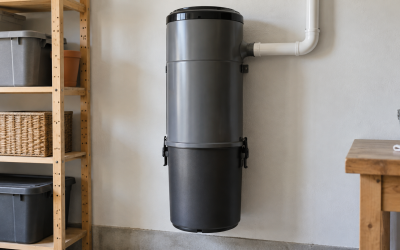
When outfitting a sprawling residence, portable vacuums often fall short due to cord limitations, frequent bag changes, and heavy lifting across multiple stories. A properly engineered central vacuum system transforms how massive floor plans are maintained by relocating the power unit to a utility space and utilizing in-wall PVC tubing. However, navigating the market in 2026 requires looking past clever marketing and focusing on the core mechanical specifications that dictate real-world performance. Choosing the right setup means balancing suction dynamics, filtration styles, and structural compatibility to ensure your investment handles deep-pile carpets and expansive hardwood surfaces effortlessly.
- Understanding Air Watts and Suction Power for Extended Piping
- Sizing Your Power Unit for Square Footage and Pipe Runs
- Filter Types: Bagged vs. Cyclonic Filtration Systems
- Tubing and Inlet Valve Compatibility Pitfalls
- Assessing Hose Management and Accessories for Multi-Level Layouts
- When It Makes Sense to Invest in Premium Dual-Motor Units
- Related Guides
- FAQ
- Related Guides
Too many homeowners purchase a built-in vacuum based purely on square footage claims, only to experience weak airflow or premature motor burnout down the line. Designing a robust whole-house cleaning network involves understanding how pipe length, elbows, and vertical drops affect suction degradation. This guide breaks down the critical metrics, common specification mistakes, and essential sizing rules you need to know before committing to a permanent installation.
As an Amazon Associate we earn from qualifying purchases at no extra cost to you. Product prices and availability are accurate as of the date shown and are subject to change.

Understanding Air Watts and Suction Power for Extended Piping
Air watts serve as the primary metric combining airflow and sealed suction, but long pipe runs in large houses change the math entirely. In an expansive home, your system must pull air through dozens of feet of PVC pipe before it ever reaches the power unit. High waterlift is critical for heavy debris and vertical lifts, while high airflow ensures fine dust is carried swiftly through the system without settling in the walls. Never judge a unit solely by its maximum air watts rating; instead, evaluate how well the motor maintains static lift under load.
Sizing Your Power Unit for Square Footage and Pipe Runs
Manufacturers often slap square footage ratings on power units, but these figures usually assume a straight, idealized pipe layout with minimal friction loss. If your floor plan features winding pathways, multiple stories, or more than five inlet valves, you should step up to a higher capacity unit than the base footage recommendation suggests. Undersizing the motor forces it to run at peak capacity for extended cleaning sessions, which generates excessive heat and dramatically shortens motor lifespan. Always calculate total equivalent pipe length to ensure the unit can maintain sufficient velocity throughout the network.
Filter Types: Bagged vs. Cyclonic Filtration Systems
The debate between disposable bag systems and true cyclonic filtration comes down to maintenance frequency and air quality management. Cyclonic units separate heavy debris into a bottom canister and vent microscopic dust outside, requiring zero replacement bags but demanding outdoor venting and manual canister cleaning. Bagged units capture fine particulates inside a high-filtration synthetic bag that seals shut upon removal, preventing dust clouds from escaping into your utility room. For large residences where deep cleaning happens weekly, bagged systems generally offer a cleaner, more hygienic maintenance experience with less frequent attention required.
Tubing and Inlet Valve Compatibility Pitfalls
Mixing and matching components from different plumbing brands or trying to force non-standard hose cuffs into older inlet valves is a recipe for frustrating air leaks. Standardized two-inch PVC pipe is the industry norm, but minor tolerances between manufacturers can cause loose friction fits if joints aren’t properly solvent-welded. Furthermore, verify whether your layout requires low-voltage wire connections for motorized power brushes or if you need wireless radio-frequency handles to trigger the power unit. Planning your inlet locations carefully ensures every corner of a large room is reachable without stretching hoses past their safe tension limits.
Assessing Hose Management and Accessories for Multi-Level Layouts
Dragging a heavy hose across multiple flights of stairs is one of the most common complaints among owners of sprawling properties. Modern solutions include retractable hose systems that pull directly back into the in-wall tubing or lightweight crush-proof hoses stored in discrete wall caddies. When evaluating accessory packages, prioritize electric power heads with dedicated height adjustments if your home features dense, high-pile carpeting. Investing in specialized attachments like long crevice tools and flexible dusting brushes will save countless hours when cleaning intricate architectural details, crown molding, and expansive staircases.
When It Makes Sense to Invest in Premium Dual-Motor Units
Single-motor systems handle standard daily cleaning adequately, but very large properties with heavy pet traffic or extensive carpeted areas often demand the raw endurance of dual-motor power units. Premium models utilize parallel or series dual-motor configurations to double the cooling airflow and maintain higher suction levels even when multiple inlets are open or heavy debris restricts airflow. While the upfront cost and electrical requirements are higher, these robust systems provide commercial-grade reliability that resists thermal overload during marathon whole-house cleaning sessions.
Related Guides
To explore specific product tiers and complementary property maintenance equipment, check out our detailed reviews. You can find top-tier picks in our best central vacuum system for large homes guide, browse high-end options in our premium central vacuum systems overview, or look into exterior cleanup tools via our electric pressure washers for small homes roundup.
FAQ
Can I install a central vacuum system in an existing finished home?
Yes, retrofitting an existing multi-level home is entirely feasible by utilizing utility chases, cold air returns, closets, or basement and attic spaces to run PVC tubing. While it requires careful planning and minor drywall patching, professional installers can route the system with minimal disruption to your living areas.
How often do central vacuum bags need to be replaced in a large household?
In a large home with heavy daily use, a standard disposable high-capacity filtration bag typically requires replacement every three to six months. Monitoring suction loss or checking a clear utility bucket helps determine the exact schedule for your household’s unique debris load.
Do central vacuum systems require outside venting?
Most modern bagged units do not strictly require exterior venting because their multi-stage filtration captures microscopic allergens before air exhausts into the room. However, cyclonic units without fine filters or systems installed in confined utility rooms benefit greatly from running an exhaust line outdoors.
What causes a drop in suction at an inlet valve furthest from the power unit?
A sudden or gradual drop in suction at a specific distant inlet usually points to a partial blockage in the pipe network, a cracked pipe joint, or a leaky valve door that isn’t sealing shut. Testing suction at multiple valves helps isolate whether the issue is localized to one run or stems from a failing power unit.