Our Top Picks
 Tudomro 60 Pcs Neutral Fall Floral Quilting Fabric10 x 10 inches9.84 x 9.84 x 0.1 InchesCheck on Amazon
The best fabric for a rag quilt is 100% cotton flannel for a soft, fluffy, heavily frayed finish, with woven cotton or homespun as the choice when you want crisper prints and a tidier edge, and cotton denim for a rugged throw that takes years of use. Whatever you pick, the fabric must be a natural fiber that frays when washed, because polyester, fleece and minky simply will not fray the way the quilt style requires.
A rag quilt is sewn with the seams on the outside, then clipped and washed so the raw edges bloom into a chenille-like fringe. That one design fact changes every fabric rule you may know from regular quilting. This guide compares the common fabric choices, explains batting and cutting decisions, and gives you a quick decision table, drawing on quilting-supply guides and quilter communities rather than any single maker.
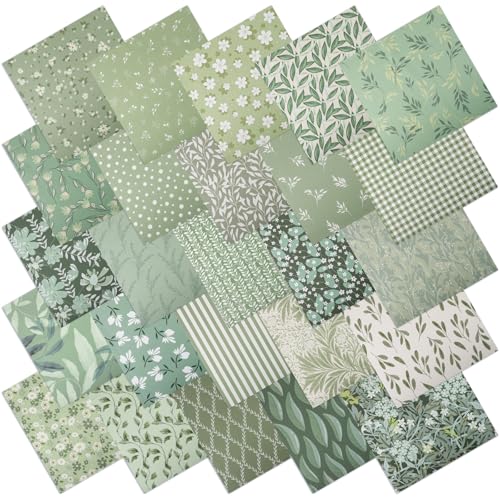
25 Pcs Sage Green Cotton Fabric Squares, 10 x 10 Inch, Precut | 25 assorted floral and leaf prints, soft cotton, quilt and craft use, vintage-inspired sage green palette
Chosen because it specifies 10 x 10 Inch and Precut.
View on AmazonTudomro 60 Pcs Neutral Fall Floral Quilting Fabric Squares 10 x 10 Inch | Sage Green Cream Cottage Core Gingham Fabric Bundles Autumn Fat Quarters Precut Patchwork Material for Quilts Sewing Crafts
Picked as a relevant option in this category.
View on Amazon
Buryeah 100 Pcs 10 x 10'' White Cotton Quilting Fabric Precut Fat Bundles | White Quilt Fabric Bundles, Solid Color Sewing Patchwork Materials, Holiday DIY Craft Scrapbook, Beginners Embroidery Cloth
Chosen because it specifies White Quilt Fabric Bundles and Solid Color Sewing Patchwork Materials.
View on Amazon
Hummingbirds Corner Blue Floral Rag Quilt Kit for Beginners with Rag Quilt Blessing Book, Pre-Cut Cotton Fabric, Batting & Thread, No Cutting Required, 56" x 56"
Chosen because it specifies Pre-Cut Cotton Fabric and Batting & Thread.
View on AmazonRag Quilt Fabrics at a Glance
| Fabric | Best for | Fray quality | Notes and limits |
|---|---|---|---|
| 100% cotton flannel | Baby and lap quilts, cozy throws | Excellent, very fluffy | Cheap printed flannel can be thin and shed heavily; check weight |
| Quilting cotton (woven) | Bright prints, kitchen or craft-room quilts | Moderate | Tight weaves fray less; mix with flannel for fluff |
| Homespun | Rustic, country look | Good | Loose weave frays easily; can shrink a lot |
| Cotton denim | Picnic quilts, durable throws | Moderate to good | Heavy; thick seams are hard on home machines |
| Calico | Traditional looks | Moderate | Lighter than denim; frays decently |
| Polyester, fleece, minky | Not recommended for rag edges | Poor to none | Does not fray; guides tell quilters to skip it for the rag seams |
Why Natural Fibers Matter
The rag effect depends on cut threads loosening and curling during washing and drying. Cotton does this reliably. Polyester and nylon fibers are smooth and heat-set, so the cut edge stays flat and may even melt or pill in the dryer. Quilting guides therefore consistently advise skipping minky, fleece and broadcloth for the visible seams. Minky is popular as a soft backing in other quilt styles, but it does not produce the fringe, so it breaks the look of the quilt.
Flannel: The Default Choice
Quilting-supply guides describe flannel as the star of the rag quilt world for two reasons: it frays quickly and it has a brushed nap that makes the finished quilt feel plush. Flannel also works well as the batting layer between top and back squares, so some quilters skip traditional batting entirely and stack three layers of flannel for warmth.
Quality matters. Quilt shops warn against very cheap printed flannel, which may be thin, lose its print in the wash, or shrink unevenly. Look for flannel labeled 100% cotton, ideally from a quilt-shop or reputable fabric line, and handle a swatch if you can. A heavier flannel gives a thicker fringe but is harder to sew through at the seam intersections.
Woven Cotton and Homespun
Standard quilting cotton gives you the widest print choice. It frays less than flannel because of its tighter weave, so quilters often combine them: woven cotton prints on top, coordinating flannel for the backing or middle layer. The result looks crisp from the front and feels soft from the back. Homespun is a loosely woven, yarn-dyed cotton in checks and stripes. It frays beautifully and suits country décor, but it can shrink more than other cottons, so keep the layers consistent.
Denim and Heavier Fabrics
Cotton denim is the durable option. Rag quilts made from old jeans are a classic project, and they hold up to outdoor and pet use. Thick seams, however, can stress a home sewing machine, and the finished quilt is heavy. If you use denim, consider a larger needle (such as a denim needle), a longer stitch, and fewer layers at the seams. Mix weights carefully: a quilt that combines very thick and very thin squares can pucker and wear unevenly.
Batting for Rag Quilts
Guides agree on low-loft batting. Needled cotton or cotton-blend batting works well because it is thin and washes without shifting much. Needled polyester also appears in tutorials as a budget alternative. High-loft polyester batting is bulky at the seams and makes the quilt stiff.
A common technique is to cut batting about one inch smaller than the fabric squares and sew with a half-inch seam, so the batting does not end up in the fringe. Batting is also optional: a flannel-only rag quilt is lighter and cuddlier, and some guides suggest an extra flannel layer when you want a thicker seam.
Prewash or Not?
Advice splits here. For most bed quilts, you prewash to control shrinkage and bleeding. For rag quilts, many tutorials say not to prewash, because the first-wash shrink helps the edges fray and bloom. Others, including some quilting-supply guides, say to prewash and test colorfastness so a dark red does not bleed into your pale squares. A practical compromise: test each fabric for bleeding in a small swatch, prewash anything you suspect is not colorfast, and wash the finished quilt with towels or in a machine with a lint trap in good shape.
Cutting and Seam Basics
- Typical squares range from about 6 to 10 inches. Smaller squares give more seams and more fringe; larger squares make a faster project.
- A half-inch seam allowance is the common standard, and clipping the seams about every half inch (without cutting the stitching) is what produces the fringe.
- Pin or clip corners so layers align; thick intersections can slip.
- Use a longer stitch length and a strong needle, as the seams can be bulky.
Washing and Finishing
After clipping, wash the quilt on a normal cycle with a couple of towels and dry it. The fringe will fray more with each cycle, and many sources suggest two or three wash-dry rounds, with wool dryer balls to speed fluffing. Expect a lot of lint. Clean the dryer’s lint trap during and after, and consider washing the quilt at a laundromat the first time, since the lint can clog home drain lines.
Budget Tiers
- Budget: Cotton flannel from the fabric store’s value bolts, flannel sheets from thrift stores, or old denim. Check the fiber content and weight, since very light flannel gives a thin fringe.
- Mid-range: Quilt-shop flannel and quilting cotton in coordinated lines. Better dye stability and weight consistency make the project less fussy.
- Premium: Designer flannel, organic cotton, or specialty homespun. These cost more but offer heavier hand and richer colors.
Pick X If… Decision Table
| If you want… | Choose | Why |
|---|---|---|
| The softest, fluffiest throw | Flannel top, flannel back, flannel batting | Frays fast, plush nap |
| Bright novelty prints | Quilting cotton top, flannel back | Prints on the front, fringe from the flannel |
| A country, rustic look | Homespun | Loose weave, checks and plaids |
| A tough picnic or dog-bed quilt | Denim squares with flannel back | Durable and easy to wash |
| A baby quilt | 100% cotton flannel with low-loft cotton batting | Soft and washable; keep loose threads clipped short |
Safety and Care Notes
For baby quilts, keep the fringe short and trimmed, and check seams regularly for loose threads. Follow safe-sleep guidance from your pediatrician, since loose bedding is not generally advised in a crib. Never put a quilt near a heater or open flame, and wash new fabric to remove finishing chemicals if you or a child have sensitive skin. If a skin reaction occurs, see a doctor.
Alternatives
- Rag quilt kits: Pre-cut squares sold with batting save time and remove guesswork about fabric compatibility.
- Chenille quilts: A similar fringe look made from stacked layers cut on the bias; more work, but more structured.
- Fleece tie blankets: A no-sew option, but the finished product will not have a true rag edge.
Frequently Asked Questions
Can I use minky or fleece in a rag quilt?
Guides say to avoid them for the visible rag seams because they do not fray. Minky is fine as a backing in other quilt styles, but in a rag quilt it will not produce the characteristic fringe. If you want it for warmth, put it in a different project.
Should I use batting in a rag quilt?
It is optional. Low-loft cotton or cotton-blend batting adds weight and warmth, but a flannel-only quilt is lighter. If you do use batting, cut it slightly smaller than the squares so it stays out of the seam fringe.
Do I need to prewash fabric for a rag quilt?
Sources disagree. Some say skip it so the first wash shrinks the fabric and blooms the edges, and others say prewash to prevent bleeding. If you are unsure of a fabric’s colorfastness, test it with a wet swatch first.
How big should the squares be?
Between about 6 and 10 inches is typical. Smaller squares produce more fringe but take longer to sew, while larger squares are faster but give a less dense texture.
Why is my rag quilt not fraying?
Common causes are a fabric with a tight weave, synthetic fibers, or not clipping the seams close enough. Clip about every half inch, wash and dry several times, and consider wool dryer balls to help.
Can I wash a rag quilt in a home machine?
Yes, but expect heavy lint. Wash with towels, clean the lint trap often, and consider a laundromat for the first wash if your plumbing is old or you are concerned about drain clogs.