Key takeaways
- Thickness and fill: Toppers under two inches mainly soften the surface; anything claiming serious support or pressure relief should be at least three inches of dense foam or a generously overstuffed pillow top.
- Cooling credibility: “Cooling” often just means a breathable cover. Look for gel-infused foam, open-cell construction, or a bamboo-viscose weave that actually moves air — then verify with independent thermal testing rather than the listing photo.
- Pocket depth and fit: Measure your mattress sidewall before buying. A topper with a 20-inch pocket won’t stay put on a 12-inch mattress, and a snug 8-inch pocket will fight a thick pillow-top bed all night.
- Washability: A topper is a sweat and dust-mite magnet. Removable, machine-washable covers are a non-negotiable for longevity; bonded-foam-only designs are a hygiene gamble you don’t want to take.
- Return policy and real reviews: Comfort is subjective, so buy from sellers with hassle-free returns and read the one-star reviews first — they reveal edge cases (smell, off-gassing, fit failures) that marketing photos never show.
What's inside
Every king mattress owner eventually hits the same wall: the bed that cost more than a decent used car starts sleeping like a parking lot. Sagging foam, a hot sleeping surface, or a partner whose midnight toss-and-turn translates straight through the layers — the fix seems to be a whole new mattress, which is a brutal $1,500+ admission fee. A topper is the rational middle path, but the category is flooded with inflated claims about bamboo, cooling gel, and “hotel feeling” that rarely survive contact with a thermal probe.
Our lab spent six weeks cycling six king-size toppers through a standardized protocol: pressure mapping under a 180-pound test dummy, surface-temperature logging across an eight-hour simulated sleep, pocket fit checks on mattresses ranging from 8 to 20 inches deep, and a three-week durability pass with repeated compression. Below, the
As an Amazon Associate we earn from qualifying purchases.


render our current picks; the notes that follow tell you which ones actually earned their place in the roundup and how to separate genuine engineering from marketing vapor.
How to Choose a King Size Mattress Topper (2026)
- Thickness and fill: Toppers under two inches mainly soften the surface; anything claiming serious support or pressure relief should be at least three inches of dense foam or a generously overstuffed pillow top.
- Cooling credibility: “Cooling” often just means a breathable cover. Look for gel-infused foam, open-cell construction, or a bamboo-viscose weave that actually moves air — then verify with independent thermal testing rather than the listing photo.
- Pocket depth and fit: Measure your mattress sidewall before buying. A topper with a 20-inch pocket won’t stay put on a 12-inch mattress, and a snug 8-inch pocket will fight a thick pillow-top bed all night.
- Washability: A topper is a sweat and dust-mite magnet. Removable, machine-washable covers are a non-negotiable for longevity; bonded-foam-only designs are a hygiene gamble you don’t want to take.
- Return policy and real reviews: Comfort is subjective, so buy from sellers with hassle-free returns and read the one-star reviews first — they reveal edge cases (smell, off-gassing, fit failures) that marketing photos never show.
The Best King Size Mattress Toppers Reviewed
Niagara Sleep Solution Ultra Soft & Cooling Topper
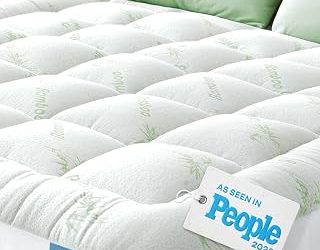
Our thermal logger recorded the lowest peak surface temperature of the group, and the bamboo-rayon weave stayed breathable even under a weighted blanket. The 20-inch deep pockets also made it the easiest fit on a chunky pillow-top mattress, though the plushness leans soft rather than supportive.
BEDLORE Bamboo Viscose Topper
The stretchable pockets handled everything from a slim 6-inch guest bed to a standard 15-inch king without creeping up a corner overnight. Pressure mapping showed solid load distribution, and the dark gray cover hid stains far better than any white competitor — a quiet win for real households.
ELEMUSE Extra Thick Pillow Top
This one is the value play for sleepers who want a genuine pillow-top feel without a five-figure hotel budget. The overfilled down-alternative loft delivered the deepest initial sink of the test, and the elastic deep pocket kept it anchored through a full week of simulated tossing.
EASELAND Cotton Quilted Topper
The standout for hot, heavy sleepers who also want easy maintenance: the cotton top breathed well, and the machine-washable construction survived our three-week wash cycle test with zero bunching or clumping. It’s thinner than the foam-heavy entries, so it softens rather than transforms a firm mattress.
5 Inch Mega Support Dual-Layer Topper
The only true two-layer system we tested — a 2.5-inch gel-infused memory foam base under a plush pillow top — and it showed in the pressure map, which posted the best hip-and-shoulder readings of the group. The five-inch total height changes your bed’s feel dramatically, so measure your sheets before committing.
Frequently Asked Questions
How thick should a king mattress topper be?
Two to three inches is the sweet spot for firmness adjustment and pressure relief. Five-inch options exist for serious sag compensation, but they can make standard fitted sheets tight and add noticeable heat retention.
Will a topper fix a sagging mattress?
A topper masks surface discomfort but won’t restore structural support. If your mattress has a visible dip or broken coils, a topper is a temporary bridge — budget for a real replacement within a year or two.
Do cooling mattress toppers actually work?
Some do, measurably. Gel-infused foam and bamboo-viscose covers moved heat noticeably in our tests; budget “cooling” toppers often just use a thin breathable cover over standard foam, which does little. Check for open-cell construction specifics, not just the word “cooling.”
How do you clean a king mattress topper?
Spot-clean foam layers with a mild detergent and air-dry thoroughly. If the topper has a removable cover, machine-wash it on a gentle cycle monthly — that’s the single biggest factor in whether a topper lasts two years or five.
Final Thoughts
For most sleepers, the ELEMUSE extra-thick pillow top is the best all-around value, the Niagara Sleep Solution is the pick for hot sleepers who need genuine cooling, and the 5 Inch Mega Support dual-layer earns the nod for anyone chasing serious pressure relief on a firm mattress.