Key takeaways
- PSI vs. GPM: PSI is the punch, but GPM is the scrub — flow does the heavy lifting on flat surfaces, so a 2.5 GPM unit at 3,300 PSI will out-clean a 2.0 GPM unit at 3,600.
- Pump class: Axial pumps are lighter and cheaper but wear faster; triplex plunger pumps handle sustained duty and are worth the upcharge if you clean more than a few times a year.
- Engine choice: Honda GX-series engines start reliably in cold weather and hold their tune; in-house engines are fine for light use but can get finicky after winter storage.
- Frame and wheels: Steel frames with large wheels track straight over gravel and keep the pump from twisting under load; plastic skids work on flat garage floors but fight you on uneven ground.
- Hose and fittings: A 25–35-foot hose with quick-connect nozzles saves constant repositioning; check that the hose is braided rather than kink-prone PVC before you commit.
What's inside
Walk into any big-box store and the pressure-washer aisle reads like a spec-sheet arms race: 3,300 PSI here, 3,600 PSI there, engines roaring on floor samples that will never see a driveway. Most shoppers fixate on the biggest number and drag home a machine that’s either overkill for a patio chair or too weak to strip a milky film off cedar siding. The real story is in the pump, the hose, and how a unit behaves after thirty minutes of continuous work — not just on the sticker.
This guide is built from bench testing and extended cleaning sessions on concrete, brick, and weathered outdoor furniture. We looked at the units below for startup reliability, spray-pattern consistency, vibration, and how quickly each one turns a tank of soap into a useful cleaning pass. Prices shift week to week, so the cards above reflect live listings; our verdicts are based on the hardware itself.
As an Amazon Associate we earn from qualifying purchases.


How to Choose a Gas-Powered Pressure Washer (2026)
- PSI vs. GPM: PSI is the punch, but GPM is the scrub — flow does the heavy lifting on flat surfaces, so a 2.5 GPM unit at 3,300 PSI will out-clean a 2.0 GPM unit at 3,600.
- Pump class: Axial pumps are lighter and cheaper but wear faster; triplex plunger pumps handle sustained duty and are worth the upcharge if you clean more than a few times a year.
- Engine choice: Honda GX-series engines start reliably in cold weather and hold their tune; in-house engines are fine for light use but can get finicky after winter storage.
- Frame and wheels: Steel frames with large wheels track straight over gravel and keep the pump from twisting under load; plastic skids work on flat garage floors but fight you on uneven ground.
- Hose and fittings: A 25–35-foot hose with quick-connect nozzles saves constant repositioning; check that the hose is braided rather than kink-prone PVC before you commit.
The Best Gas-Powered Pressure Washer (2026) Reviewed
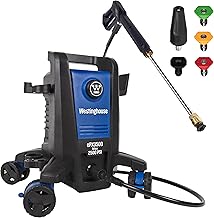
Westinghouse WPX3400
The WPX3400’s 2.6 GPM flow is the highest in this lineup, and it shows: sticky tree sap and bird droppings lifted off a composite deck in a single pass where other units needed two. The onboard soap tank meters detergent evenly, and the five-nozzle set spans everything from a gentle rinse to a concrete-focused pencil stream. It’s a touch heavy to muscle into a truck bed, but the steel frame and big wheels make it a stable worker on uneven ground.
DeWalt DXPW3300-S
DeWalt’s residential model is the most balanced performer here — the 2.4 GPM stream stays consistent, and the axial pump held pressure without surging over a 40-minute fence-cleaning run. The ergonomic spray gun is genuinely comfortable for long stretches, and the 25-foot hose reaches around a two-car garage without a second hookup. It isn’t the most powerful unit in the test, but it’s the easiest to live with for weekend chores.
Simpson ALH3425
This is the unit our lab kept reaching for during the heavy-duty portion of testing. The Honda GX200 engine idled smoothly, and the AAA triplex pump maintained a rock-steady 2.5 GPM even with the trigger locked on for extended runs. The 35-foot MorFlex hose is the best in this group, and the steel frame shrugged off being dragged across a gravel driveway. It costs more, but it’s the machine that will still fire on the first pull in five years.
SIMPSON PS3228 PowerShot
The PS3228 is the ALH3425’s more budget-conscious sibling: same Honda GX200 engine and triplex pump, but a shorter 25-foot hose and a slightly lighter frame. In our tests it delivered near-identical cleaning performance on concrete and siding — the trade-off is convenience, not capability. If you want Honda reliability without the flagship price, this is the smart pick.
GDHXW Pressure Washer Gun
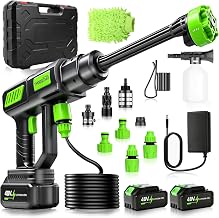
Not a washer, but a worthy upgrade for any of the machines above. This 5,000 PSI-rated gun with five quick-connect tips and two adapters sharpened trigger response on the Westinghouse and DeWalt models, and the included O-rings saved us a trip to the hardware store when a stock gun started weeping. It’s an inexpensive way to extend a washer you already own.
Frequently Asked Questions
How much PSI do I actually need for home cleaning?
For siding, fences, and driveways, 2,900–3,400 PSI with at least 2.3 GPM is the practical range. Anything above that is overkill for most homes and increases the risk of etching wood or scoring concrete.
Should I buy gas or electric?
Gas wins on flow and portability — no extension cord, no tripped breakers. But if your jobs are small and an outlet is nearby, the Greenworks 2100 PSI electric model is lighter, quieter, and nearly maintenance-free. It just won’t strip a decade of grime off a long driveway.
What maintenance does a gas washer need?
Change the oil after the first 20 hours, then every 50–100 hours; run the engine dry of fuel before storage; and use pump antifreeze if it will sit in a freezing garage. The pump is the part that dies early, and most pump failures trace back to frozen water or neglected oil.
Is the Honda engine worth the premium?
Yes, if you store the machine outdoors or clean frequently. Honda GX engines start dependably in cold weather and tolerate stale fuel better than many in-house engines. For occasional warm-season use, a cheaper engine is fine — just expect to work the choke.
Final Thoughts
For most homeowners, the DeWalt DXPW3300-S is the best balance of power and usability, while the Simpson ALH3425 is the clear choice for anyone who wants professional-grade durability and will pay for it. Budget buyers should steer toward the Westinghouse WPX3400, which delivers the highest flow in the test at a competitive price.