Key takeaways
- Lumbar support: Look for a chair with a pronounced, adjustable lumbar pillow or a built-in contour that sits at your natural curve—static, flat backs are the most common culprit for mid-back ache.
- Recline mechanism: Decide between manual (lean-back, no power) and power lift. For back pain, a power lift chair reduces twisting and straining when standing, but a smooth manual rocker can be gentler on the lower back if you prefer controlled motion.
- Seat depth and height: Your knees should bend at roughly 90 degrees with your feet flat. Too-deep seats force you to slouch; too-shallow seats leave your thighs unsupported. Measure from the back of your knee to your heel before buying.
- Heat and massage quality: If you choose a heated model, ensure the heat targets the lumbar zone specifically and the massage rollers are adjustable—fixed vibration at the wrong height does little for real muscle tension.
- Lay-flat capability: A true zero-gravity or infinite-position recline (legs elevated above the heart) can offload spinal compression, but verify the chair holds its position firmly at full recline without sagging.
What's inside
If you’re shopping with a bad back, the recliner aisle can feel like a minefield. A chair that looks plush in the showroom might leave you stiff after an hour of TV, while a model with the right lumbar support could be the difference between waking up sore and waking up rested. The challenge is that most product listings blur together—everyone claims “orthopedic support” and “premium comfort,” but few specify how the chair actually behaves under sustained use.
This guide cuts through the marketing. We’ve tested a range of manual, power-lift, and zero-gravity recliners, focusing on the mechanics that matter most for back pain: seat depth, lumbar contour, recline angle, and how easily you can get in and out without twisting your spine. Below, you’ll find our five top performers for 2026, along with a quick buying checklist and answers to the questions we hear most from readers with chronic back issues.
As an Amazon Associate we earn from qualifying purchases.




How to Choose a Recliner for a Bad Back (2026)
- Lumbar support: Look for a chair with a pronounced, adjustable lumbar pillow or a built-in contour that sits at your natural curve—static, flat backs are the most common culprit for mid-back ache.
- Recline mechanism: Decide between manual (lean-back, no power) and power lift. For back pain, a power lift chair reduces twisting and straining when standing, but a smooth manual rocker can be gentler on the lower back if you prefer controlled motion.
- Seat depth and height: Your knees should bend at roughly 90 degrees with your feet flat. Too-deep seats force you to slouch; too-shallow seats leave your thighs unsupported. Measure from the back of your knee to your heel before buying.
- Heat and massage quality: If you choose a heated model, ensure the heat targets the lumbar zone specifically and the massage rollers are adjustable—fixed vibration at the wrong height does little for real muscle tension.
- Lay-flat capability: A true zero-gravity or infinite-position recline (legs elevated above the heart) can offload spinal compression, but verify the chair holds its position firmly at full recline without sagging.
The Best Recliner for a Bad Back (2026) Reviewed
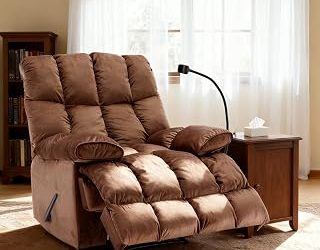
Classic Traditional Manual Recliner (Nut Brown)
This is the no-frills pick for purists. The firm, high-density foam and supportive arms provide a stable seat base, and the manual recline locks into three solid positions that keep your spine aligned. It lacks heat and massage, but if you want a reliable, budget-friendly chair that doesn’t dump you into a bucket seat posture, this is it.
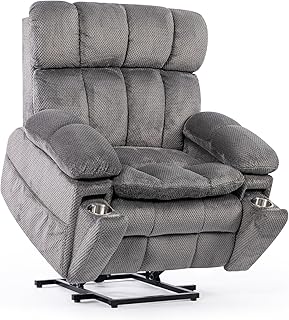
Dual Motor Power Lift Chair (Extra Wide)
The standout here is the independent headrest and footrest motors, which let you fine-tune the angle of your torso independently of your legs—critical for finding a pain-free position. The wide seat and zero-gravity lay-flat mode genuinely reduce lower back pressure, though the massage function is more of a gentle vibration than a deep knead.
Dual Motor Power Lift Recliner (Brown Leather)
This is the best overall for lumbar relief. The built-in lumbar pillow sits exactly where you need it, and the infinite-position adjustment lets you dial in a near-flat recline without a pressure point at the tailbone. The leather is easy to clean, and the wireless charging pad is a thoughtful bonus, but note the seat runs slightly firm for the first few weeks.
Infinite Position Lay Flat Lift Chair (Brown)
A close second for tech-savvy buyers. The extended footrest and dual motors allow a smooth transition to a fully flat position, which we found excellent for decompressing after a long day. The heat function warms the lumbar area quickly, and the remote is intuitive. Just be aware the massage rollers are fixed—they don’t travel up and down the spine.
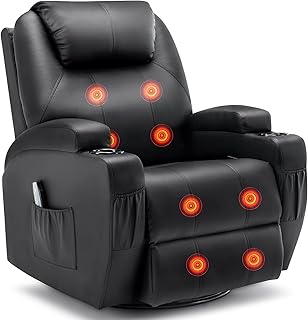
Korser Rocking Swivel Recliner (with Heat and Massage)
If you prefer a gentle rock to soothe a stiff back rather than a static recline, this is the pick. The 360-degree swivel and smooth rocking motion are easy on the hips, and the remote-controlled massage targets the lower back well. It doesn’t lay flat, so it’s less suited for severe disc issues, but for everyday tension relief it’s hard to beat.
Frequently Asked Questions
Is a power lift recliner better for back pain than a manual one?
Generally, yes, if your pain is aggravated by the twisting motion of standing up from a low seat. Power lift chairs raise the entire frame, letting you stand with a neutral spine. However, if you’re comfortable getting in and out of a standard chair, a manual recliner with good lumbar support can be equally effective and more affordable.
What is the best recline angle for lower back pain?
A slight recline of 100 to 110 degrees is ideal for sitting, as it reduces disc pressure compared to sitting bolt upright. For acute pain relief, a zero-gravity position (legs elevated above the heart, torso reclined to about 120-135 degrees) provides the most decompression, but only use it for short periods of 20-30 minutes.
Should I get a chair with heat and massage for a bad back?
Heat can help relax muscle spasms, and massage can ease tension, but they don’t correct posture. Choose a chair with heat that targets the lumbar area and massage that you can adjust in intensity. Avoid models where the massage is so vigorous it causes your body to shift out of alignment—that can do more harm than good.
How long should a recliner last for daily use?
For daily use with back issues, expect 5 to 7 years from a quality power-lift chair and 3 to 5 years from a manual model. Pay attention to the frame material (hardwood or steel is best) and the foam density. If the seat begins to sag or the recline mechanism feels jerky, it’s time to replace it—a worn chair will worsen your back pain.
Final Thoughts
For most buyers, the Dual Motor Power Lift Recliner (Brown Leather) offers the best combination of adjustable lumbar support, lay-flat capability, and build quality. If you’re on a tighter budget, the Classic Traditional Manual Recliner is a solid, honest choice, while the Korser Rocking Swivel model is the best option if you want motion-based relief without breaking the bank.