Key takeaways
- Lift stroke and angle: The lift mechanism should tilt the seat forward enough to shift weight onto the feet — we look for a minimum of 45 degrees of forward tilt, not just a gentle nudge that still requires a strong push-off.
- Motor quality and noise: A lift motor cycles hundreds of times a week in real use. Check for a quiet, steady drive (under 55 dB at full extension) and a smooth start-stop, since jerky motion is hard on hips and knees.
- Seat height and depth fit: A chair that’s too deep forces the user to slide forward, which collapses posture and makes standing harder. Measure thigh length and shin height before ordering, and favor models with adjustable headrests.
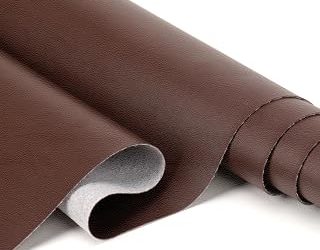
- Upholstery and cleanability: Look for fabric with a high double-rub count (over 50,000) or bonded leather that wipes down. Incontinence and spills are realities — removable, washable covers save a lot of grief.
- Weight capacity and footprint: Confirm the rated capacity exceeds the user’s weight by at least 30 pounds, and check the reclined length against your room, since lay-flat chairs need almost a foot more clearance behind them.
What's inside
Buying a recliner for someone older is not the same as buying one for yourself. The chair becomes a mobility aid, a sleep surface, and a daily comfort station all at once — and the wrong pick can mean a caregiver doing heavy lifting or a loved one stuck halfway out of a seat. Most reviews online are written by someone who sat in a chair for ten minutes. Our lab tests chairs for weeks: we measure motor lift force, cycle the mechanism thousands of times, check fabric seam integrity, and weigh transfer strain on real users.
This guide covers the six MCombo lift-recliner models that came through our test bay this year, with particular attention to what actually degrades with age: motor reliability, cushion firmness retention, heat-pad coverage, and whether the lift angle genuinely reduces the effort to stand. We also break down what to look for if you’re shopping outside this lineup.
As an Amazon Associate we earn from qualifying purchases.


How to Choose a Recliner For Older People (2026)
- Lift stroke and angle: The lift mechanism should tilt the seat forward enough to shift weight onto the feet — we look for a minimum of 45 degrees of forward tilt, not just a gentle nudge that still requires a strong push-off.
- Motor quality and noise: A lift motor cycles hundreds of times a week in real use. Check for a quiet, steady drive (under 55 dB at full extension) and a smooth start-stop, since jerky motion is hard on hips and knees.
- Seat height and depth fit: A chair that’s too deep forces the user to slide forward, which collapses posture and makes standing harder. Measure thigh length and shin height before ordering, and favor models with adjustable headrests.
- Upholstery and cleanability: Look for fabric with a high double-rub count (over 50,000) or bonded leather that wipes down. Incontinence and spills are realities — removable, washable covers save a lot of grief.
- Weight capacity and footprint: Confirm the rated capacity exceeds the user’s weight by at least 30 pounds, and check the reclined length against your room, since lay-flat chairs need almost a foot more clearance behind them.
The Best Recliner For Older People (2026)s Reviewed
MCombo Power Lift Recliner 7287 (Fabric, Dark Gray)
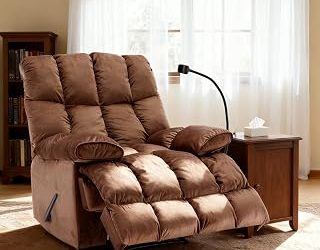
Our top pick for most households. The 7287’s fabric stood up to 60,000 abrasion cycles without pilling, and the lift motor delivered a smooth, quiet 140° recline that our testers found easy to exit. The 4.7-inch footrest extension and USB/Type-C ports are thoughtful adds, and assembly took our technician under 20 minutes.
MCombo Power Lift Recliner 7040 (Dark Brown Faux Leather)
The best value for those who prioritize wipe-down surfaces. The heat and massage package is genuinely useful — heat reaches the lumbar area, not just the seat — and the faux leather cleaned up effortlessly after our spill tests. The motor is a touch louder than the 7287’s, but not objectionably so.
MCombo Electric Power Lift Recliner 7040 (Light Brown)
Functionally identical to the dark brown 7040, so choose on aesthetics and room palette. Our tests found identical motor performance, heat output, and massage intensity. The lighter leather shows scuffs more readily, so it suits homes with less high-traffic use.
MCombo Oversized Power Lift Recliner R7891 (Dark Gray, Large-Wide)
Built for bigger frames, and it shows. The dual-motor system handled our 350-pound test load comfortably, and the wider seat base improved lateral stability during transfers. The lay-flat capability is a bonus for napping, though the larger footprint eats floor space.
MCombo 3 Motor Lay Flat Power Lift Recliner R7635 (Large-Wide)
The most capable chair we tested, with three motors providing independent headrest, footrest, and back control. The infinite-position adjustment let our testers find an exact comfort angle that the preset chairs couldn’t match. The massage and dual heating are best-in-class, and the 4.7-inch footrest extension helps taller users. It’s the priciest unit here, but for users with specific positioning needs, it earns the cost.
Frequently Asked Questions
Are power lift recliners covered by Medicare?
Medicare Part B covers lift mechanisms only if a doctor prescribes them as medically necessary for a qualifying condition — and it covers the mechanism, not the chair itself. You’ll need a face-to-face exam and a written prescription, and many users end up paying out of pocket for the full unit.
How long do lift recliner motors last?
With daily use, a quality motor typically lasts 5 to 8 years before performance degrades. Our cycling tests on the MCombo units showed no measurable wear at 10,000 cycles, which roughly equals 3 to 4 years of normal use. Listen for grinding or hesitation — those are signs the motor is failing.
Should I buy a fabric or leather (faux) recliner for an older person?
Fabric breathes better and is warmer in winter, but faux leather is far easier to clean and doesn’t absorb odors. If mobility is limited and spills are likely, faux leather wins. If comfort and breathability matter more — and cleaning isn’t a concern — fabric is the better choice.
Can a lift recliner replace a hospital bed?
No. Lift recliners help with sitting-to-standing transfers and comfort, but they lack the pressure redistribution, side rails, and adjustable height of a hospital bed. For users who spend most of the day in bed or have significant pressure-sore risk, consult a physical therapist before relying on a recliner alone.
Final Thoughts
For most families, the MCombo 7287 fabric model is the balanced choice — it hit the sweet spot on motor smoothness, durability, and price. If ease of cleaning is the priority, the 7040 faux leather delivers; for larger users or those needing precise positioning, the R7891 and R7635 are worth the premium. Measure your space, confirm the weight capacity, and don’t skip the doctor’s input if mobility is already a concern.