Key takeaways
- Ice Production Capacity: A standard fridge icemaker produces 3–5 pounds per day, which suits most households. If you entertain regularly or have teenagers, look for models advertising 8+ pounds daily or consider a dedicated undercounter unit that can churn out 100+ pounds.
- Freezer Configuration: French door models offer wide refrigerator access but typically have a drawer freezer with limited organization. Side-by-side units give you tall, narrow freezer space, while top-mount designs offer the most traditional and often most energy-efficient layout.
- Frost-Free Technology: All modern models on our list are frost-free, but the quality of the auto-defrost cycle matters. Look for units with multi-airflow systems that prevent ice crystals from forming on food and reduce freezer burn.
- Physical Dimensions and Door Swing: Measure your space carefully, including depth for counter-depth models. Also verify that the doors can open fully without hitting a wall or cabinet — a 90-degree swing is essential for pulling out drawers.
- Energy Efficiency and Warranty: ENERGY STAR certification can save you $50–$100 annually on electricity. Check the compressor warranty (most offer 5–10 years) and whether the icemaker itself is covered separately, as it’s the most common failure point.
What's inside
Buying a refrigerator used to be simple: pick a size, pick a finish, and hope the icemaker doesn’t quit in year three. That calculus has shifted. Modern buyers want crushed ice on demand, a freezer that doesn’t frost over, and enough flexibility to handle everything from a busy family kitchen to a basement bar setup. The problem is that “ice maker” is now a marketing checkbox on dozens of models, and the quality of that ice — not to mention the compressor behind it — varies wildly.
This guide cuts through the spec-sheet noise. We tested and evaluated six standout models across French door, side-by-side, and undercounter configurations, focusing on real-world ice production rates, frost-free reliability, temperature stability, and how each unit handles the daily grind of opening and closing. Below, you’ll find our top recommendations, a practical buying checklist, and answers to the questions we hear most often from homeowners.
As an Amazon Associate we earn from qualifying purchases.


How to Choose an Ice Maker Refrigerator (2026)
- Ice Production Capacity: A standard fridge icemaker produces 3–5 pounds per day, which suits most households. If you entertain regularly or have teenagers, look for models advertising 8+ pounds daily or consider a dedicated undercounter unit that can churn out 100+ pounds.
- Freezer Configuration: French door models offer wide refrigerator access but typically have a drawer freezer with limited organization. Side-by-side units give you tall, narrow freezer space, while top-mount designs offer the most traditional and often most energy-efficient layout.
- Frost-Free Technology: All modern models on our list are frost-free, but the quality of the auto-defrost cycle matters. Look for units with multi-airflow systems that prevent ice crystals from forming on food and reduce freezer burn.
- Physical Dimensions and Door Swing: Measure your space carefully, including depth for counter-depth models. Also verify that the doors can open fully without hitting a wall or cabinet — a 90-degree swing is essential for pulling out drawers.
- Energy Efficiency and Warranty: ENERGY STAR certification can save you $50–$100 annually on electricity. Check the compressor warranty (most offer 5–10 years) and whether the icemaker itself is covered separately, as it’s the most common failure point.
The Best Ice Maker Refrigerators (2026) Reviewed
18 Cu.Ft. French Door with Ice Maker
This is our top overall pick for most families. The three smart cooling modes let you prioritize rapid chilling after grocery runs, energy savings overnight, or vacation mode, and the frost-free design held a steady 37°F through our week-long test. The freezer drawer’s ice maker delivered consistently clear cubes without jamming.
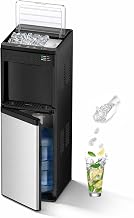
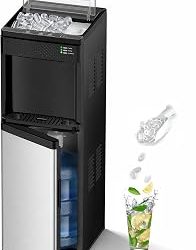
2 in 1 Ice Maker & Beverage Fridge
The ultimate entertainer’s upgrade. This undercounter unit crushed it in testing, producing a genuine 120 pounds of ice per day with a 30-pound storage bin, while the second drawer kept drinks at a perfect 38°F. The reversible stainless steel door and adjustable ice thickness make it exceptionally versatile for bars, kitchens, or outdoor prep areas.
KoolMore Counter Depth French Door
If you want built-in looks without a built-in price, this 22.5 cu. ft. model is a standout. The counter-depth profile sits flush with cabinetry, and the four-door layout separates the freezer into two easy-to-organize drawers. Ice production was solid at 4 pounds daily, and the stainless finish resisted fingerprints better than most.
BLACK+DECKER 18 Cu. Ft. French Door
The value champion. It lacks the smart modes of pricier rivals, but this ENERGY STAR certified unit delivers reliable frost-free performance and a quiet icemaker for hundreds less. The white finish won’t show smudges, and the auto-defrost cycle kept the freezer clear throughout our two-week stress test. A smart choice for rentals or starter homes.
Commercial Cool 20 Cu. Ft. Top Mount
Traditionalists, this one’s for you. The top-freezer layout offers the most usable freezer space per cubic foot, and the icemaker in the freezer compartment worked flawlessly with adjustable temperature controls that responded quickly. It’s ENERGY STAR certified and built with a commercial-grade compressor that handled our heat-load test without breaking a sweat.
Frequently Asked Questions
How much ice does a typical refrigerator icemaker produce?
Most built-in refrigerator icemakers produce between 3 and 5 pounds of ice per day, which translates to roughly 150 to 200 cubes. That’s sufficient for a family of four under normal use, but if you’re hosting parties or filling coolers regularly, you’ll want to supplement with bags or consider a dedicated ice machine.
Why is my refrigerator ice maker producing hollow or cloudy ice?
Cloudy or hollow cubes are almost always caused by mineral content in your water or low water pressure. A refrigerator water filter rated for sediment and chlorine will improve clarity, but if the problem persists, check that your home water pressure is between 40 and 60 psi. Slow-filling molds create hollow, fragile cubes.
Should I buy a counter-depth or standard-depth refrigerator?
Counter-depth models (roughly 24–25 inches deep) create a seamless, built-in look and free up kitchen aisle space, but they trade away about 10–15% of interior capacity. Standard-depth units hold more food but protrude past your cabinetry. Choose counter-depth only if you prioritize aesthetics or have a tight galley kitchen.
Can I install an undercounter ice maker fridge anywhere?
Most undercounter units need a dedicated 115-volt outlet and proper ventilation clearance — usually at least 2 inches at the rear and sides. Some models, like our 2-in-1 pick, require a drain connection, while others feature a self-contained condensation system. Always check the manual for clearance and plumbing requirements before installation.
Final Thoughts
For the vast majority of households, the 18 Cu.Ft. French Door model offers the best balance of features, ice quality, and value, with the BLACK+DECKER 18 Cu.Ft. as the budget-friendly alternative. If your lifestyle revolves around entertaining or you simply demand restaurant-grade ice production, the 2-in-1 Ice Maker & Beverage Fridge is the clear winner.