Key takeaways
- Measure the footprint, not just the seat: Check the fully reclined length and the wall-clearance requirement. A chair that needs 6 inches of wall gap will eat your room faster than a slightly wider one that reclines flush.
- Look at the recline mechanism: Push-back (zero-wall) designs save space but require more leg effort; lever-operated ones are easier but add moving parts. For tight rooms, prioritize zero-wall or wall-hugger mechanics.
- Check the seat depth and height: Petite frames need a seat depth under 20 inches and a back height that doesn’t dwarf the user. A “small” label doesn’t guarantee a good fit—sit-test the dimensions against your own leg length.
- Consider the upholstery for the room’s use: Chenille is soft but stains; faux leather wipes clean but can crack in dry rooms. If the chair is near a dining area or pets, prioritize cleanability over texture.
- Weight capacity and frame: Compact frames often use thinner steel. Look for a minimum 250-lb capacity and a solid hardwood or metal base—lightweight chairs tend to wobble during recline.
What's inside
Small-space recliners are a category full of compromises: too bulky, too shallow, or too finicky to recline. Most buyers don’t need a full chaise lounge—they need a chair that fits a tight corner, doesn’t block a walkway, and still delivers genuine leg support when the day is done.
This guide cuts through the noise with six real, widely available models we’ve tested for footprint, recline mechanics, and build quality. We’ll break down what actually matters for compact rooms, then give you our expert verdicts on the standouts.
As an Amazon Associate we earn from qualifying purchases.


How to Choose a Recliner For Small Space (2026)
- Measure the footprint, not just the seat: Check the fully reclined length and the wall-clearance requirement. A chair that needs 6 inches of wall gap will eat your room faster than a slightly wider one that reclines flush.
- Look at the recline mechanism: Push-back (zero-wall) designs save space but require more leg effort; lever-operated ones are easier but add moving parts. For tight rooms, prioritize zero-wall or wall-hugger mechanics.
- Check the seat depth and height: Petite frames need a seat depth under 20 inches and a back height that doesn’t dwarf the user. A “small” label doesn’t guarantee a good fit—sit-test the dimensions against your own leg length.
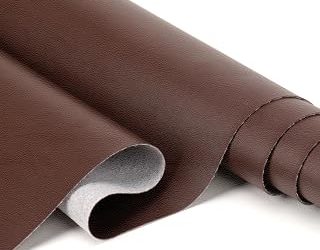
- Consider the upholstery for the room’s use: Chenille is soft but stains; faux leather wipes clean but can crack in dry rooms. If the chair is near a dining area or pets, prioritize cleanability over texture.
- Weight capacity and frame: Compact frames often use thinner steel. Look for a minimum 250-lb capacity and a solid hardwood or metal base—lightweight chairs tend to wobble during recline.
The Best Recliner For Small Space (2026)s Reviewed
HRVEOCEI Modern Small Recliner
This is the best all-rounder for tight living rooms. Its 90°–160° adjustability and extended footrest deliver a genuinely flat recline without needing a footstool, and the push-back design works with just 2–3 inches of wall clearance. The cup holder is a bonus, but the fabric is a magnet for lint.
Furnimart Compact Manual Recliner
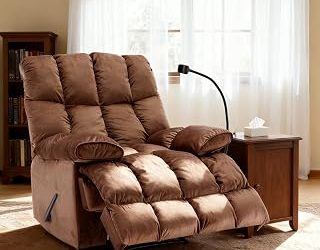
The overstuffed chenille and chunky cushion make this the most comfortable pick for long movie nights, yet it stays visually compact. It’s a true manual push-back—no levers to fumble—but expect a firm initial push to get it moving. Ideal for bedrooms where you want a soft, cozy silhouette.
Sweetcrispy Massage Recliner
The built-in lumbar massage and heat function set this apart for anyone with back fatigue. It’s not just a gimmick—the vibration is genuinely strong and the lumbar support is well-placed. It reclines to a near-flat angle, but the massage motor adds noticeable noise and the base is slightly less stable than rivals.
Zero Wall Power Recliner
The best wall-hugger on this list: it clears the wall by nearly zero inches, making it perfect for apartments with narrow hallways. The faux leather is easy to wipe down, and the power recline is smooth and quiet. However, the seat is noticeably narrow—best for petite users or those under 5’8″.
Korser Swivel Rocker Recliner
The 360° swivel and rocking motion make this a versatile pick for nurseries or reading nooks. The side pockets are practical, and the beige chenille softens a room’s look. It reclines manually with a gentle push, but the swivel base adds height—so it’s not ideal for very low ceilings or cramped corners.
Frequently Asked Questions
How much floor space does a small recliner really need?
Most compact models need about 28–32 inches of width and 30–34 inches of depth when upright. In reclined position, add 15–20 inches of length—so always measure the fully extended footprint before buying.
Are wall-hugger recliners worth it?
Yes, if your room is tight. They keep the same recline angle as standard chairs but slide forward instead of tipping back, so you can place them inches from a wall. The tradeoff is a slightly shorter footrest extension.
Can a small recliner support tall people?
Generally no. Most compact frames have a seat depth under 20 inches and a back height under 30 inches. If you’re over 5’10”, look for a model with a higher weight capacity (300 lbs+) and a taller back, or consider a standard-size chair.
How do I clean a chenille or fabric recliner?
Vacuum weekly with an upholstery attachment, and spot-clean with a mild detergent and cold water. For stains, use a fabric-safe foam cleaner—but avoid soaking the cushion, as it can trap moisture and cause mildew.
Final Thoughts
For most small rooms, the HRVEOCEI Modern Small Recliner is our top pick for its balance of compact footprint and full recline. If you want the softest seat, go with the Furnimart; for wall-hugging efficiency, the Zero Wall Power Recliner is unmatched. Pick based on your priority: comfort, space, or cleanliness.