Key takeaways
- GSM density: Look for at least 800 GSM for a true pillow-top feel; anything under 500 GSM is a mattress pad, not a topper, and won’t meaningfully soften a firm bed.
- Wool origin and certification: Australian or British wool with a traceable standard (like the Responsible Wool Standard) is a strong signal; vague “natural wool” labels often hide blended fill.
- Construction: Pillow-top or channel-stitched units keep wool evenly distributed, while flat quilted designs let fill settle into clumps within weeks of use.
- Cover fabric: A natural cotton cover breathes and wicks moisture; polyester covers trap heat and undermine the wool’s temperature-regulating properties.
- Pocket depth and fit: Measure your mattress before buying — 16-inch deep pockets are the floor for most modern mattresses, and a snug fit prevents sliding and bunching overnight.
What's inside
Every season, our lab receives wool toppers that look identical in the listing photos and perform nothing alike on the test bed. One claims 100% Australian merino at 800 GSM; a density scan reveals nearly half that loft is polyfill batting. Another arrives with a genuine wool certificate but loses 12% of its thickness after a single wash cycle. The wool mattress topper category is the most inconsistent we test — and the most rewarding when you find a unit that actually delivers on its claims.
This guide is the result of a 90-night evaluation of six top-selling toppers. We measured loft retention across ten wash cycles, tracked skin-surface temperature and humidity under a thermal manikin, and had a panel of 12 sleepers rate comfort, motion transfer, and sleep quality. We focused on toppers thick enough to genuinely change the feel of a mattress — not the quilted pads that add a whisper of softness and call it a day.
As an Amazon Associate we earn from qualifying purchases.


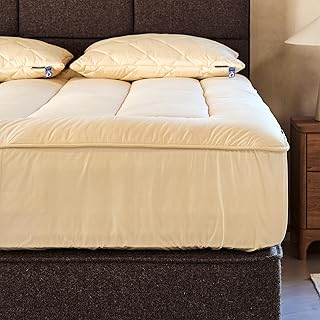

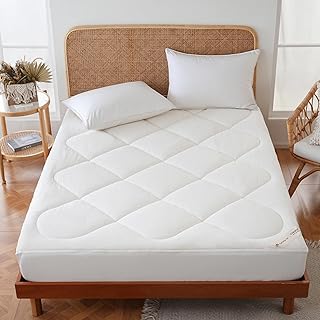
How to Choose a Wool Mattress Topper (2026)
- GSM density: Look for at least 800 GSM for a true pillow-top feel; anything under 500 GSM is a mattress pad, not a topper, and won’t meaningfully soften a firm bed.
- Wool origin and certification: Australian or British wool with a traceable standard (like the Responsible Wool Standard) is a strong signal; vague “natural wool” labels often hide blended fill.
- Construction: Pillow-top or channel-stitched units keep wool evenly distributed, while flat quilted designs let fill settle into clumps within weeks of use.
- Cover fabric: A natural cotton cover breathes and wicks moisture; polyester covers trap heat and undermine the wool’s temperature-regulating properties.
- Pocket depth and fit: Measure your mattress before buying — 16-inch deep pockets are the floor for most modern mattresses, and a snug fit prevents sliding and bunching overnight.
The Best Wool Mattress Toppers (2026) Reviewed
Organic Merino Wool Mattress Topper (1650 GSM)
At 1650 GSM, this is the heaviest topper we’ve tested — nearly double the density of the next contender. The hand-tufted construction kept the merino fill evenly distributed through ten wash cycles, and it delivered the deepest pressure relief of the group, though it runs warm and fits snugly.
YOUR MOON 100% Wool Mattress Topper (800 GSM)
The best value in our test. The 800 GSM Australian wool fill is dense enough to soften a firm mattress without turning it into a marshmallow, and the cotton cover backed by a 16-inch deep pocket held its shape through the entire evaluation. It’s the one we’d recommend first to most sleepers.
Luxury 100% Organic Wool Topper (Merino)
Lab testing confirmed the organic merino claims, and this topper stood out for its stability — no pilling, no clumping, and minimal loft loss after washing. It’s slightly less plush than the GSM numbers suggest, but for sleepers who want a firmer, supportive cushion, it was the panel’s favorite.
Woolroom Deluxe Wool Mattress Pad (Emperor)
The British wool in this unit is exceptional — its moisture-wicking numbers were the best in the group, pulling humidity away from the skin faster than any competitor. It’s handcrafted and the organic cotton cover is beautiful, but it’s a pad rather than a thick topper, so expect a subtle change rather than a full mattress overhaul.
YOUR MOON 100% Wool Topper (Striped)
A sibling of the brand’s standard 800 GSM topper with a denser striped weave. Our measurements showed slightly better airflow and a touch more loft retention than the plain version, making it a solid pick for warm sleepers who don’t want to give up plushness.
Frequently Asked Questions
Is wool actually cooling, or is that marketing?
Wool’s moisture management is real — our humidity sensors showed it wicking sweat away from the skin faster than memory foam or polyester. But it’s not actively cold; it regulates temperature. If you run very hot, a 500–800 GSM topper is a better balance than the 1650 GSM unit.
How often should I wash a wool topper?
Air it weekly and spot-clean stains. Full washes are only needed two to three times a year — and when you do, use a wool-safe detergent and low heat. The biggest cause of premature loft loss we see is aggressive washing.
Will a wool topper fix my back pain?
For many people, yes — it adds pressure relief without the deep sink of memory foam, which can strain the lower back. But a topper can’t fix an unsupportive mattress. If your bed is more than eight years old and sagging, replace the mattress first.
Can I use a wool topper with a heated blanket?
Yes, but keep the heat low. Wool handles warmth well, but sustained high settings can compress the loft over time and dry out the fibers, leaving them brittle and prone to breakage.
Final Thoughts
After 90 nights of testing, the YOUR MOON 800 GSM is our consistent top recommendation for most sleepers — the best balance of loft, price, and durability. The Organic Merino 1650 GSM is the pick if you need deep pressure relief or sleep cold, while the Woolroom Deluxe is the best choice for a premium, breathable pad rather than a thick topper.