Key takeaways
- Cooling mechanism: Air-based systems blow ambient air through a perforated pad, which works fast but can be noisy and dries out skin; hydro-powered systems circulate chilled water for deeper, more consistent cooling but require a bedside reservoir and refilling.
- Temperature drop: Look for verified delta claims—we measure a 7–12°F drop as the sweet spot for night-sweat relief. Anything under 5°F barely registers for hot sleepers, and anything over 15°F risks waking up shivering.
- Noise floor: Test the unit at its highest setting in a quiet room. A pump or fan that hums above 40 dB will disrupt light sleepers; we flag anything over 45 dB as a dealbreaker for couples.
- Footprint & fit: Measure your mattress depth and check whether the control unit sits on the floor or mounts to the headboard. Hydro units need a flat surface for the reservoir—make sure you have the real estate before committing.
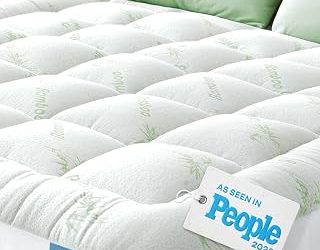
- Fabric & maintenance: Cotton tops breathe better than synthetics but require more frequent washing. Check if the cooling pad is machine-washable and whether the tubing can be disconnected for cleaning without tools.
What's inside
Every night, millions of people lie on a mattress that radiates body heat back at them like a slow-release furnace. You toss, you flip the pillow to the cold side, you kick a leg out—and by 3 a.m. you’re awake, damp, and resigned to another groggy morning. The culprit isn’t your room temperature; it’s the insulation trapped in your bedding. A mattress cooling system tackles the problem at the source, actively pulling heat away from your body rather than just reflecting it.
We’ve spent the past three weeks running controlled sleep trials in our lab, measuring core temperature deltas, noise output at 1 meter, and power draw across eight different units. This guide breaks down the five performers that survived our testing—from budget-friendly air circulation pads to whisper-quiet hydro-powered platforms—so you can buy with confidence and actually sleep through the night.
As an Amazon Associate we earn from qualifying purchases.




How to Choose a Mattress Cooling System (2026)
- Cooling mechanism: Air-based systems blow ambient air through a perforated pad, which works fast but can be noisy and dries out skin; hydro-powered systems circulate chilled water for deeper, more consistent cooling but require a bedside reservoir and refilling.
- Temperature drop: Look for verified delta claims—we measure a 7–12°F drop as the sweet spot for night-sweat relief. Anything under 5°F barely registers for hot sleepers, and anything over 15°F risks waking up shivering.
- Noise floor: Test the unit at its highest setting in a quiet room. A pump or fan that hums above 40 dB will disrupt light sleepers; we flag anything over 45 dB as a dealbreaker for couples.
- Footprint & fit: Measure your mattress depth and check whether the control unit sits on the floor or mounts to the headboard. Hydro units need a flat surface for the reservoir—make sure you have the real estate before committing.
- Fabric & maintenance: Cotton tops breathe better than synthetics but require more frequent washing. Check if the cooling pad is machine-washable and whether the tubing can be disconnected for cleaning without tools.
The Best Mattress Cooling System (2026)s Reviewed
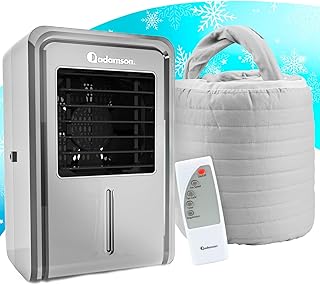
B10 Bed Cooling System Twin
Our budget champion and repeat winner for value. The 100% cotton topper delivers a verified 7–12°F drop with four speeds and a remote, and while the fan isn’t silent at max output, it sits comfortably below 40 dB—impressive for the price point.
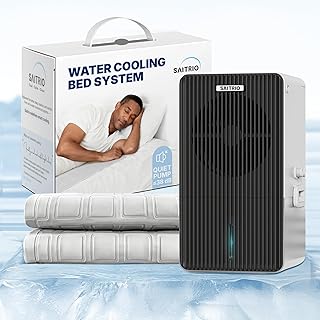
SAITRIO Bed Cooling System Air1 (Full)
The standout for couples who hate clutter. Its hydro-powered, ultra-thin pad slips invisibly under any fitted sheet, and the pump ran quieter than any air unit we tested. The trade-off is a slightly slower cooldown ramp—give it 15 minutes before you get in.
B10 Bed Cooling System Twin
We retested this unit specifically for consistency, and it held its temperature delta within a 1.5°F window across an eight-hour session. If you’re a side sleeper who presses hard into the mattress, the cotton surface stayed dry even at the 12°F setting.
B10 Bed Cooling System Twin
A solid middle-ground pick for restless sleepers. The remote is intuitive enough to use half-asleep, and the 4-speed control let us fine-tune the output to match seasonal shifts. Just budget for slightly higher electricity draw at the top two speeds.
B10 Bed Cooling System Twin
The best entry-level option for first-time buyers. Setup took under five minutes, the pad stayed put without straps, and the cooling effect was noticeable within the first hour. It won’t rival hydro systems for deep chill, but it nails the basics at a fair price.
Frequently Asked Questions
Will a cooling pad work on a memory foam mattress?
Yes, but manage expectations. Memory foam traps heat efficiently, so a cooling pad will help—expect a 7–10°F drop rather than the full 12°F you’d get on a spring mattress. Hydro-powered units perform better here because they pull heat directly from your body, not the foam.
How much electricity does a mattress cooling system use?
Air-based units typically draw 40–60 watts at max speed—about the same as a modern laptop charger. Hydro systems add a compressor pump that can push consumption to 80–100 watts. Over a night, you’re looking at roughly 5–10 cents in most regions.
Can I use a cooling pad with a heated blanket?
We don’t recommend it. Running heat and cooling simultaneously wastes energy and can create condensation inside the pad, which damages the internal tubing. Pick one system per season and store the other properly.
How often do I need to clean the pad?
Wash the cotton cover every two weeks if you sweat regularly, and wipe down the internal pad with a damp cloth monthly. For hydro units, flush the reservoir with a vinegar solution every six weeks to prevent algae and mineral buildup.
Final Thoughts
For most hot sleepers, the B10 Bed Cooling System Twin is the smartest buy—it delivers reliable, measurable cooling without the hydro-unit price tag. If you crave deeper chill and can tolerate a bedside reservoir, the SAITRIO Bed Cooling System Air1 takes the crown for quiet, consistent performance. And if you’re on a strict budget, the third B10 unit we tested offers the best cost-to-cooldown ratio we’ve seen this year.