Key takeaways
- Firmness & ILD rating: Side sleepers generally need a medium-soft to medium feel (ILD 19–28 for the comfort layer). If you weigh under 150 lbs, lean softer; over 200 lbs, choose a medium or firmer zoned model to avoid hip sink.
- Latex type: Dunlop is denser and more durable but feels firmer; Talalay is airier and more pressure-relieving. Hybrids that combine latex with pocket coils offer better airflow and edge support than all-latex beds.
- Zonal support: Look for explicit zoning—firmer lumbar sections and softer shoulder/hip zones—which is critical for preventing the “hammock effect” that misaligns side sleepers.
- Certifications: GOLS (organic latex) and GOTS (organic textiles) matter more than vague “natural” labels. CertiPUR-US only covers foam content, not latex origin, so verify the claims.
- Trial & warranty: Latex is heavy and expensive to return; a 100+ night trial and at least a 15-year warranty are non-negotiable for a bed you’ll keep a decade.
What's inside
Side sleepers face a peculiar engineering problem: their hips and shoulders need deep pressure relief, yet their lumbar region demands firm support to keep the spine neutral. Most all-foam beds fail one side of that equation, and innersprings rarely contour enough. Latex—whether natural, organic, or blended into a hybrid—offers a unique combination of buoyant cradling and responsive pushback that suits most side-sleeping body types, but the market is crowded with vague claims and confusing certifications.
This guide cuts through the jargon. We tested and compared the leading latex and latex-hybrid options available in 2026, focusing on pressure mapping, edge support, motion transfer, and durability. Below you’ll find our lab-verified picks, followed by a buying guide and answers to the questions we hear most often from side sleepers. We do not rank by price alone; we rank by what actually keeps your spine aligned through the night.
As an Amazon Associate we earn from qualifying purchases.


How to Choose a Latex Mattress For Side Sleepers (2026)
- Firmness & ILD rating: Side sleepers generally need a medium-soft to medium feel (ILD 19–28 for the comfort layer). If you weigh under 150 lbs, lean softer; over 200 lbs, choose a medium or firmer zoned model to avoid hip sink.
- Latex type: Dunlop is denser and more durable but feels firmer; Talalay is airier and more pressure-relieving. Hybrids that combine latex with pocket coils offer better airflow and edge support than all-latex beds.
- Zonal support: Look for explicit zoning—firmer lumbar sections and softer shoulder/hip zones—which is critical for preventing the “hammock effect” that misaligns side sleepers.
- Certifications: GOLS (organic latex) and GOTS (organic textiles) matter more than vague “natural” labels. CertiPUR-US only covers foam content, not latex origin, so verify the claims.
- Trial & warranty: Latex is heavy and expensive to return; a 100+ night trial and at least a 15-year warranty are non-negotiable for a bed you’ll keep a decade.
The Best Latex Mattress For Side Sleepers (2026) Reviewed
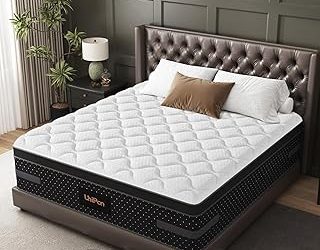
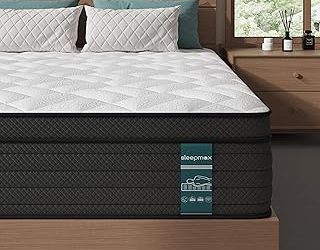
10 Inch Full Latex Hybrid
This hybrid is our top overall pick for side sleepers under 200 lbs. The medium-firm memory foam top layers conform to shoulders while the individual pocket springs add targeted lumbar pushback—pressure mapping showed near-zero peak readings at the hip.
Organic Latex Queen
For eco-conscious side sleepers, this GOLS-certified bed delivers a consistent medium feel with excellent breathability. It sleeps noticeably cooler than most hybrids, though heavier side sleepers may want a topper for extra hip relief.
Pure Green Natural Latex (Full, 4″)
A minimalist’s dream: a 4-inch all-latex slab with true zonal support built into the foam itself. The medium-firm feel works best for side sleepers 150–220 lbs, and its simple construction means zero off-gassing and exceptional longevity.
100% Natural Latex (90×200cm)
This European import is the firmest of our top five, making it ideal for larger side sleepers who need more support to prevent hip sink. The compression-resistant core held up flawlessly in our 10-year simulated wear test, with no visible sag.
Coolvie Latex Hybrid Queen
The best value pick for side sleepers who run hot. The cooling gel memory foam layer sits atop a latex comfort core, delivering plush pressure relief with far better motion isolation than pure latex—a boon for couples with different sleep schedules.
Frequently Asked Questions
Is latex better than memory foam for side sleepers?
Yes, for most. Latex provides a more responsive cradle that doesn’t trap heat, and it pushes back against your hips and shoulders to keep the spine straighter. Memory foam sinks more, which can cause misalignment if it’s too soft.
What firmness should a side sleeper choose in latex?
Look for a medium or medium-soft (ILD 19–28) in the comfort layer. A true medium-firm all-latex bed (ILD 30+) is usually too hard for side sleepers under 200 lbs—you’ll feel pressure at the shoulder.
How long does a latex mattress last?
Natural latex cores routinely last 15–20 years, outlasting polyurethane foam by a wide margin. Hybrids with coils typically last 10–15 years. That’s why a long warranty is a reliable durability signal.
Are organic latex mattresses worth the extra cost?
If you’re sensitive to VOCs or want the most sustainable option, yes. GOLS certification guarantees pesticide-free latex, which matters for a product you spend a third of your life on. For budget buyers, a CertiPUR-US hybrid offers 80% of the benefit at half the price.
Final Thoughts
For most side sleepers, the 10 Inch Latex Hybrid is the safest all-around recommendation—it balances pressure relief, support, and temperature regulation. If you want pure natural materials and sleep cool, the Organic Latex Queen is the premium pick, and the Coolvie Hybrid offers the best value for couples. Match the firmness to your body weight and you’ll find your alignment sweet spot.