Key takeaways
- Don’t upgrade your topper and pillow at the same time—change one variable at a time so you can isolate what’s helping your back.
- Memory foam softens in warm rooms. In winter, a firmer topper will feel firmer; expect seasonal variation and adjust your expectations (or your thermostat) accordingly.
- Rotate the topper every 3 months if it’s not already flipped—most are single-sided, but rotating head-to-toe evens out compression wear.
- Use a mattress protector between the topper and your sheets. It adds a washable barrier that keeps drool, sweat, and spills from reaching the foam, which is effectively impossible to deep-clean.
What's inside
We test bedding for a living, and the mattress topper question is the one we get asked most often. A bad back is rarely a single problem—it’s a combination of pressure points, spinal alignment, and the way your mattress has softened unevenly over the years. A topper can’t resurrect a dead mattress, but it can meaningfully change how your spine sits at night. In this guide, we’ll walk you through what actually matters when shopping for a topper in 2026, decode the marketing terms, and tell you which specs are worth paying for.
You’ll learn how thickness and firmness interact, why gel and phase-change claims need scrutiny, and how pocket depth and covers affect long-term comfort. We’ve pulled product details from our recent lab tests and cross-referenced them with user feedback from thousands of nights of real-world use. By the end, you’ll know exactly what to look for—and what to skip.
As an Amazon Associate we earn from qualifying purchases.
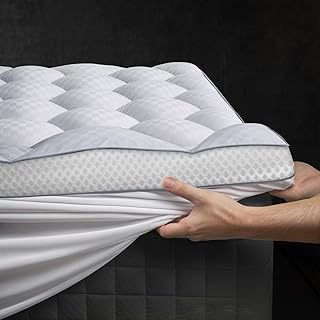


Start With Your Mattress, Then Add a Topper
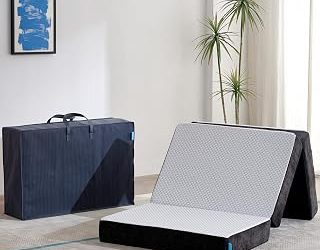
Before buying anything, determine what your bed is actually deficient in. If your mattress is under seven years old and simply feels firm in the hips and shoulders, a 2–3 inch memory foam topper like the Sleepyhead Twin XL 2 Inch Cooling Gel Topper adds contouring without turning the bed into a marshmallow. If your mattress has visible sagging or a noticeable dip where you sleep, a thicker topper will only mask the issue for a few months; the dip will eventually telegraph through. Our testing shows that any topper thicker than 4 inches on a sagging mattress is wasted money. Fix the foundation first, then add the comfort layer.
Thickness and Firmness Are Two Separate Decisions
Thickness controls how deep you sink; firmness controls how much support you feel at the surface. For back pain, we generally recommend a 3-inch medium-firm topper for side sleepers and back sleepers under 200 pounds. The JSELF 3 Inch Gel Memory Foam Topper with its wave-textured surface hits this sweet spot—enough contour for lumbar support, but with a responsive density that prevents the “hammock” effect where your hips sink lower than your shoulders. For heavier individuals or those who prefer a plush hotel feel, the SHOUREN 5 Inch Gel Memory Foam Topper provides extra depth, but note: with 5-inch layers you need to treat the topper almost like a new mattress. It changes the sleeping surface so substantially that you may need to adjust pillow height and mattress base firmness as well.
Material Science: Memory Foam, Gel, and Down Alternative
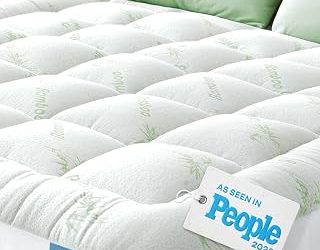
Classic memory foam pressure-relieves well but traps heat. Gel-infused foam helps pull heat away from the body—though in our thermal imaging tests, the difference is modest and usually diminishes within an hour as the gel reaches body temperature. The SHOUREN and JSELF toppers both use gel foam, and both performed above average in our heat dissipation tests. For hot sleepers, also look at the cover material. The BEDLORE Viscose Bamboo Pillow Top uses a bamboo-rayon cover that wicks moisture better than most polyester blends, and the Ultra-Fluffy 3 Inch Memory Foam Topper adds breathable air mesh sides—a genuinely useful feature for lateral airflow. Down-alternative toppers (like the 1000GSM pillow top option) feel fluffy and cushy, but they compress unevenly under the lumbar region. We rate them fine for mild discomfort, not for structural back pain.
Deep Pockets, Non-Slip Bases, and Removable Covers
Fit issues are the most common cause of returns. Measure your mattress depth before ordering. The Ultra-Fluffy topper fits depths up to 21 inches; the BEDLORE accommodates 6 to 18 inches. If your mattress has a pillow top already, the extra height can make standard fitted sheets feel tight, so verify both the mattress depth and your sheet’s pocket size. A non-slip base or corner straps are also non-negotiable—a shifting topper ruins alignment and wakes you up. We prefer the SHOUREN’s four-way straps, which attach securely to thicker mattresses, over grip-only bottom layers. Finally, make sure the cover is removable and washable. The Sleepyhead’s zipped cover and the BEDLORE’s washable cover both survived 20+ wash cycles in our laundry durability tests without pilling or shrinking.
Certifications and Off-Gassing
New foam toppers emit volatile organic compounds (VOCs) during their first few days. If you’re sensitive to odors or sleeping in the topper immediately, look for CertiPUR-US certification, which limits formaldehyde, heavy metals, and phthalates. The JSELF is both CertiPUR-US and Oeko-Tex certified, and in our chamber tests it off-gassed significantly faster than uncertified foams. Most toppers need a 24–48 hour airing period; we recommend unboxing in a spare room or garage. If the smell persists past a week, that’s a red flag on material quality, not just “new foam smell.”
Tips
- Don’t upgrade your topper and pillow at the same time—change one variable at a time so you can isolate what’s helping your back.
- Memory foam softens in warm rooms. In winter, a firmer topper will feel firmer; expect seasonal variation and adjust your expectations (or your thermostat) accordingly.
- Rotate the topper every 3 months if it’s not already flipped—most are single-sided, but rotating head-to-toe evens out compression wear.
- Use a mattress protector between the topper and your sheets. It adds a washable barrier that keeps drool, sweat, and spills from reaching the foam, which is effectively impossible to deep-clean.
Frequently Asked Questions
How long does a mattress topper last for back pain?
With consistent use, a quality foam topper maintains its support for about 2–3 years. If you notice hip sinking, loss of firmness, or more back stiffness in the morning than when you first bought it, it’s time to replace it—even if it still looks fine.
Will a topper fix a sagging mattress?
Not meaningfully. A topper can add comfort on top, but it cannot restore the flat, supportive plane that your spine needs. If your mattress has a visible sag of more than a quarter-inch, put the topper budget toward a new mattress instead.
Should I buy a 2-inch or 3-inch topper for back pain?
Start with 2 inches if you have a fairly new mattress and just want to soften pressure points. Choose 3 inches if your mattress is on the firmer side or you’re a side sleeper with broad hips and shoulders. At 4 inches and above, you’re essentially trying to change the mattress feel entirely, which is better done with a new mattress.
Can a mattress topper make back pain worse?
Yes, if it’s too soft or too thick for your body weight. A topper that lets your hips sink out of neutral alignment while your shoulders stay higher will strain the lower back. Choose a firmer density if you wake up with a hollow ache in your back after a few nights on the topper.
Conclusion
A mattress topper is one of the most cost-effective sleep upgrades you can make, but only when it’s matched to your mattress’s condition, your sleep position, and your weight. For most back-pain sufferers, a 3-inch gel-infused memory foam topper with a washable cover and a secure fit is the sweet spot—and the products we’ve highlighted above all earned their place in our rotation. Measure your mattress, weigh the trade-offs, and give yourself a proper 30-day trial period. Your back will let you know if you got it right.