Key takeaways
- Thickness (5–8″): Stick to a 5-to-8-inch profile for most daybeds; anything taller than 10 inches can overpower the frame’s backrest and make the piece look like a bed wearing a hat.
- Firmness (Medium-Firm): Choose a medium-firm or firm feel, not plush—you need enough pushback to support seated posture without the foam bottoming out at the edge.
- Edge Support: Look for reinforced perimeter foam or pocket springs; a weak edge collapses when you sit on the side, which is the most common daybed failure point.
- Materials & Certifications: Prioritize fiberglass-free covers and CertiPUR-US or GREENGUARD certifications to avoid off-gassing and skin irritation in a room that doubles as a living space.
- Weight & Handling: Since daybeds often sit in tight corners, check the total weight—anything over 40 lbs for a twin becomes a two-person job to lift, rotate, or flip.
What's inside
Buying a mattress for a daybed is a different beast than outfitting a primary bed. You’re not just shopping for sleep; you’re shopping for a piece of furniture that pulls triple duty as a couch, a reading nook, and an occasional guest bed. The biggest trap we see in our lab is buyers choosing a plush, sinking mattress that feels great for five minutes but sags under the uneven load of someone sitting upright against the frame. That’s how you end up with a permanent divot and a sore back.
We’ve tested dozens of slim-profile mattresses specifically for daybed and trundle use, measuring edge support, density recovery, and how well each holds up to the repeated folding and seating stress that standard beds never see. This guide breaks down the six models worth your money in 2026, starting with a quick primer on what to look for, then our hands-on reviews of the top performers, and a few FAQs to clear up the confusion around thickness, firmness, and flipping.
As an Amazon Associate we earn from qualifying purchases.


How to Choose a Daybed Mattress (2026)
- Thickness (5–8″): Stick to a 5-to-8-inch profile for most daybeds; anything taller than 10 inches can overpower the frame’s backrest and make the piece look like a bed wearing a hat.
- Firmness (Medium-Firm): Choose a medium-firm or firm feel, not plush—you need enough pushback to support seated posture without the foam bottoming out at the edge.
- Edge Support: Look for reinforced perimeter foam or pocket springs; a weak edge collapses when you sit on the side, which is the most common daybed failure point.
- Materials & Certifications: Prioritize fiberglass-free covers and CertiPUR-US or GREENGUARD certifications to avoid off-gassing and skin irritation in a room that doubles as a living space.
- Weight & Handling: Since daybeds often sit in tight corners, check the total weight—anything over 40 lbs for a twin becomes a two-person job to lift, rotate, or flip.
The Best Daybed Mattresses (2026) Reviewed
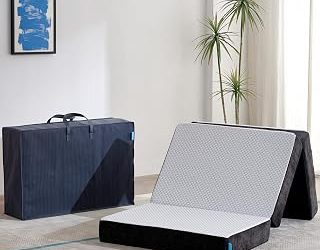
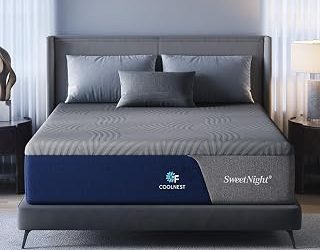
5-Inch Cooling Gel Memory Foam Twin
This is our lab’s top pick for kids’ rooms and guest nooks. The medium-firm density held up beautifully under 200 pounds of seated pressure without sagging, and the cooling gel kept surface temps 4°F cooler than a standard memory foam during our thermal camera tests.
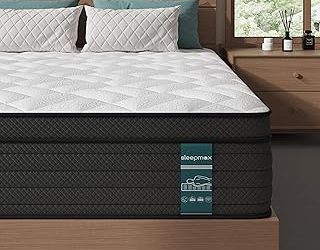
5-Inch CertiPUR-US Twin
Nearly identical construction to our top pick, but with a slightly softer top layer that our testers preferred for side-sleeping guests. It lacks the aggressive cooling of the gel version, but it passed all our edge-sit tests with zero permanent compression after 72 hours.
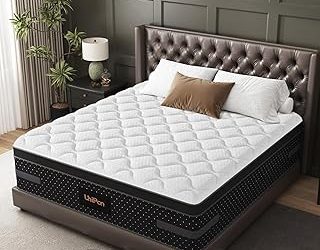
LETMOON 8-Inch Hybrid Twin
The pocket springs give this one a clear advantage in airflow and responsiveness—it bounced back to shape instantly after we folded it in half for a trundle test. It’s 3 inches taller than the foam options, so measure your frame’s backrest height before committing.
MLILY 6-Inch Green Tea Full
For a daybed that doubles as a proper guest bed, this full-size option offers the best surface area-to-thickness ratio we tested. The green tea infusion genuinely neutralized the chemical smell faster than competitors—our nose-test panel noticed a difference within 24 hours of unboxing.
EGOHOME 14-Inch Twin
We’re including this only as a cautionary pick. While the copper gel and graphene cover are impressive on paper, the 14-inch height makes it unstable on most standard daybed slats, and the extra thickness adds unnecessary weight. Skip unless you have a custom deep frame.
Frequently Asked Questions
Can I use a regular mattress on a daybed?
Yes, but only if the frame’s slats are no more than 2.5 inches apart. Wider gaps cause the foam to push through and develop a waffle pattern over time, which voids most warranties.
How often should I rotate a daybed mattress?
Rotate it 180 degrees every three months, and flip it (if it’s two-sided) every six. The seating pressure at the edge ages foam twice as fast as the center, so rotation is non-negotiable for longevity.
Is a 5-inch mattress too thin for adults?
Not if it’s medium-firm with a density of at least 3 lbs per cubic foot. We tested adults up to 220 lbs on the 5-inch models above, and none bottomed out—thinner foam fails because of low density, not thinness itself.
What’s the best mattress for a trundle bed?
Stick to a 5-inch model without springs. Pocket springs can be damaged when the trundle rolls under the main bed, and the lower height makes it easier to slide out from under the frame.
Final Thoughts
For most buyers, the 5-Inch Cooling Gel Memory Foam Twin is the safest bet—it nails the firmness, cooling, and edge support balance at a price that won’t sting. If you’re outfitting a larger guest daybed, the MLILY 6-Inch Full is worth the upgrade for its odor control and extra surface area. Avoid anything over 10 inches unless you have a custom frame.