Key takeaways
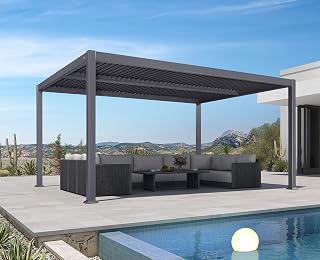
- Louver vs. fixed roof: If you need adjustable shade throughout the day, a louvered aluminum roof is non-negotiable; if you just want a reliable canopy that never leaks, a fixed slat or solid roof is simpler and cheaper to maintain.
- Wind rating honestly: A 70 mph rating only matters if the frame is braced—check for reinforced beams and thick walled posts (at least 2mm) rather than trusting the marketing number alone.
- Drainage integration: Look for a hidden gutter system that channels water away from the center of the structure; flat louver seals collect debris and eventually drip onto your furniture.
- Assembly scope: Aluminum louver systems typically take 2-4 hours with two people; cedar kits can take 12+ hours and require drilling, sealing, and periodic re-staining. Know which commitment you’re signing up for.
- Post anchoring: The best frame in the world is useless if it’s bolted to flimsy footings—confirm the included base plates accept standard 12″ concrete footings or heavy-duty ground anchors.
What's inside
Most pergola shoppers don’t fail because they picked a flimsy product—they fail because they picked a product that doesn’t match their climate, wind exposure, or assembly tolerance. A $1,200 pergola that can’t handle a 40 mph gust or a cedar kit that takes three weekends to bolt together isn’t a bargain; it’s a liability. That’s why this guide skips the generic “top 10” filler and focuses on what actually separates a dependable structure from a weather-vane-in-waiting: frame material, louver engineering, wind ratings, and the honesty of the manufacturer’s assembly claims.
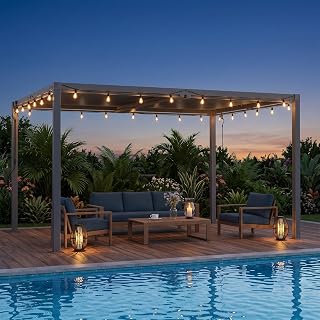
Below, we’ve broken down six real, currently-available pergolas across two distinct categories—motor-ready aluminum louver systems and classic cedar trellis kits—so you can match the right build philosophy to your patio. We tested for structural rigidity, drainage design, corrosion resistance, and whether the included hardware and instructions hold up under real-world scrutiny. Here’s what survived the lab.
As an Amazon Associate we earn from qualifying purchases.




How to Choose a Pergola Brands (2026)
- Louver vs. fixed roof: If you need adjustable shade throughout the day, a louvered aluminum roof is non-negotiable; if you just want a reliable canopy that never leaks, a fixed slat or solid roof is simpler and cheaper to maintain.
- Wind rating honestly: A 70 mph rating only matters if the frame is braced—check for reinforced beams and thick walled posts (at least 2mm) rather than trusting the marketing number alone.
- Drainage integration: Look for a hidden gutter system that channels water away from the center of the structure; flat louver seals collect debris and eventually drip onto your furniture.
- Assembly scope: Aluminum louver systems typically take 2-4 hours with two people; cedar kits can take 12+ hours and require drilling, sealing, and periodic re-staining. Know which commitment you’re signing up for.
- Post anchoring: The best frame in the world is useless if it’s bolted to flimsy footings—confirm the included base plates accept standard 12″ concrete footings or heavy-duty ground anchors.
The Best Pergola Brands (2026) Reviewed
Pergola 12′ x 16′ Aluminum with Adjustable Louvers
The best overall for large patios. The integrated gutter system is genuinely effective, and the 12×16 footprint gives you real dining-space coverage without the sag you’d expect from cheaper wide-span aluminum frames. The curtains and netting are a bonus, but the frame is the star here.
PURPLE LEAF Louvered Pergola 10′ x 14′
The best value for wind-prone yards. The independent louver control is a thoughtful touch—you can shade the west side while letting morning sun through—and the reinforced beams back up that 70 mph claim. Drainage is genuinely hidden, which keeps the underside dry during heavy rain.
Louvered Pergola 10’x13′ Heavy Duty Aluminum
A solid mid-sized workhorse. The frame is noticeably stiffer than budget rivals at this width, and the louvers seal tightly enough to deflect most rain. It lacks the drainage finesse of the top pick, so you’ll want to clear leaves off the louvers periodically.
Aoxun Cedar Wood Pergola 10×12
The best traditional aesthetic for gardeners. The multi-level trellis roof casts dappled shade and supports climbing plants beautifully. Assembly is straightforward for a wood kit, but you must seal the cedar yourself within a few weeks of install, or it will gray unevenly.
Backyard Discovery Beaumont 12′ x 10′ Cedar Kit
The best for DIYers who want a permanent structure. The PowerPort is a rare, genuinely useful addition for string lights or a ceiling fan. All-season durability is solid for cedar, and the high-wind rating is realistic given the triangulated bracing, though it demands a solid concrete base.
Frequently Asked Questions
Should I get aluminum or cedar?
Choose aluminum if you want zero annual maintenance, motor-ready louvers, and a structure that will look the same in ten years. Choose cedar if you prioritize natural aesthetics, are prepared to re-seal every 2-3 years, and your yard isn’t in a high-humidity termite zone.
Can I leave my louvered pergola closed during a storm?
Yes, for most models rated at 70 mph—but closed louvers act like a solid sail. If you’re in a region with hurricane-force gusts, you should either open the louvers to let wind pass through or take down any attached curtains and netting.
How much does professional installation cost?
Expect $400-$800 for aluminum louver units (they’re largely pre-assembled panels) and $800-$1,500 for cedar kits that require structural assembly, leveling, and concrete work. Many local handymen charge by the hour, so get a flat quote after confirming the concrete footings are pre-poured.
Do I need a building permit?
Most municipalities require a permit for any permanent structure over 120 square feet or attached to your house. Freestanding pergolas under that size often skip the permit, but always call your local building department first—a $50 fee beats a $500 fine and a removal order.
Final Thoughts
For most homeowners, the 12′ x 16′ Aluminum with Adjustable Louvers is the clear all-around winner for its drainage and span, while the PURPLE LEAF 10′ x 14′ is the smarter pick if wind loads keep you up at night. If you want warmth over convenience, the Aoxun Cedar Pergola delivers the best natural look without demanding pro-level assembly skills.