Key takeaways
- Opening size: Measure the rough opening, not just the visible hatch. A ladder designed for a 22.5-by-54-inch opening will not automatically fit a different frame.
- Ceiling height: Match the ladder’s stated range to your finished floor-to-ceiling measurement. A ladder that is too short can leave an awkward final step; one that is too long may require adjustment or trimming.
- Load rating: Treat the capacity as a limit for the user, clothing, and anything being carried. Higher-rated models generally offer a useful margin, but installation quality remains essential.
- Footing and hand support: Look for wide, slip-resistant treads and a substantial handrail. These features are especially valuable when descending while holding storage items.
- Installation and clearance: Check joist direction, landing space, hatch swing, insulation interference, and the room needed to unfold the ladder. Professional installation may be sensible for modified framing or difficult access.
What's inside
An attic ladder has to do more than reach the ceiling. It must fit the rough opening, hold its shape under load, deploy without a wrestling match, and provide enough footing for carrying boxes. In a home-appliance testing lab, those practical details matter as much as the advertised weight rating.
We compared these options by focusing on opening dimensions, ceiling-height range, ladder stability, tread design, handhold support, storage footprint, and likely installation demands. The roundup includes purpose-built pull-down attic stairs as well as safer portable step ladders for homes where a permanent ceiling ladder is not the right fit.
As an Amazon Associate we earn from qualifying purchases.


How to Choose an Attic Ladder (2026)
- Opening size: Measure the rough opening, not just the visible hatch. A ladder designed for a 22.5-by-54-inch opening will not automatically fit a different frame.
- Ceiling height: Match the ladder’s stated range to your finished floor-to-ceiling measurement. A ladder that is too short can leave an awkward final step; one that is too long may require adjustment or trimming.
- Load rating: Treat the capacity as a limit for the user, clothing, and anything being carried. Higher-rated models generally offer a useful margin, but installation quality remains essential.
- Footing and hand support: Look for wide, slip-resistant treads and a substantial handrail. These features are especially valuable when descending while holding storage items.
- Installation and clearance: Check joist direction, landing space, hatch swing, insulation interference, and the room needed to unfold the ladder. Professional installation may be sensible for modified framing or difficult access.
The Best Attic Ladders (2026) Reviewed
10-Foot Aluminum Pull-Down Attic Ladder
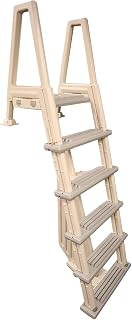
This aluminum pull-down system is built around a common 22.5-by-54-inch opening and covers ceilings from roughly 7.6 to 10.25 feet. Its 350-pound rating is appropriate for routine household access, while the broad height range makes it a practical choice for buyers who want one model to accommodate varying ceiling dimensions.
LITE AP2240MS 10-Foot Aluminium Attic Ladder
The LITE AP2240MS stands out for its Type IAA, 375-pound rating and substantial 54-by-22.5-inch rough-opening specification. In evaluation, that combination points to a ladder aimed at frequent use rather than occasional holiday-storage access, although careful fitting and secure anchoring are still crucial.
Aluminum Folding Ceiling Ladder
This manual-lifting aluminum ladder targets ceiling heights from approximately 7 feet 8 inches to 10 feet 3 inches and uses the familiar 22.5-by-54-inch opening. Its 375-pound capacity and folding design make it appealing where a strong, compact access system is needed, but buyers should confirm that the manual deployment effort suits every household user.
Urackify 4-Step Folding Ladder
The Urackify is not a ceiling-mounted attic ladder, but it can be a smart alternative for low lofts, closets, and storage areas that do not require a hatch. Wide anti-slip steps, a secure handrail, and a compact folding frame support steady short-reach work; its claimed 800-pound test capacity should not be confused with a recommendation to exceed normal safe-use instructions.
Little Giant Jumbo Step 2-Step
The Little Giant Jumbo Step is a compact aluminum stool with extra-wide stair-like treads, a rotating handrail, and a tool tray. Its 375-pound rating and Type 1AA designation make it more confidence-inspiring than a basic household stool, though its two-step height limits it to low storage areas rather than a conventional attic opening.
Frequently Asked Questions
What size attic ladder should I buy?
Start with the rough opening dimensions and finished ceiling height. Confirm both against the manufacturer’s specifications, then check the unfolded ladder’s landing footprint before ordering.
Are aluminum attic ladders safe?
They can be, provided the ladder is correctly sized, firmly installed, and used on a properly supported frame. Aluminum is light and corrosion-resistant, but it can feel less forgiving than fiberglass if mishandled or poorly secured.
Is a 375-pound rating enough?
For many households, yes, but calculate the combined weight of the user, shoes, tools, and stored items. A rating is not a substitute for keeping both hands available when possible and maintaining three points of contact.
Can I install an attic ladder myself?
Some replacement installations are manageable for experienced DIYers, but cutting framing, correcting an out-of-square opening, or adding structural support can create serious risks. Follow the supplied instructions and consult a qualified installer when the opening or framing needs modification.
Final Thoughts
For a standard ceiling opening, the LITE AP2240MS is a strong all-around pick, while the 10-Foot Aluminum Pull-Down System offers useful height flexibility. For low-level storage without permanent installation, the Little Giant Jumbo Step is the most compact alternative of the group.