Key takeaways
- Clean in daylight so you can see streaks and uneven colour before they dry.
- Use white or colourfast cloths; brightly dyed textiles can transfer colour to light leather.
- Keep the sofa away from radiators and strong direct sunlight, which accelerate drying and fading.
- Condition only after cleaning, and remove excess product from stitching and creases.
What's inside
Leather sofas reward careful maintenance, but they can also show damage quickly when the wrong cleaner, too much water, or an unsuitable conditioner is used. In our home-furniture testing lab, we assess leather-care products for residue, colour transfer, drying, sheen, and how evenly they spread—not simply how glossy they make a sofa look at first.
This guide explains the safest way to clean a leather sofa, how to identify the finish before you begin, and when a cleaner, conditioner, or professional repair is appropriate. It also covers the practical gear that makes the job easier while reducing the risk of sticky cushions, dark patches, and premature cracking.
As an Amazon Associate we earn from qualifying purchases.




Our recommended picks
1. Identify the leather before cleaning
Most household sofas use protected or “finished” leather, which has a surface coating designed to resist everyday spills. Aniline and nubuck leathers are more absorbent and need specialist products; suede should not be treated like smooth upholstery. Check the care label, manufacturer’s instructions, or purchase documentation first. If the label says “W” or “water-based,” that does not automatically mean a leather product is suitable—it refers to the broader upholstery-care code.
Look for warning signs such as a very soft, velvety surface, visible pores, or colour that changes noticeably when touched. When the leather type is uncertain, test any product in a hidden area and wait until it is fully dry before proceeding. Never begin on the centre of a seat.
2. Vacuum and test the surface
Remove cushions where possible and vacuum seams, piping, creases, and the gap between the back and seat. Use a soft brush attachment rather than a bare nozzle, which can scratch or pull at the finish. A small amount of dry grit left on the surface can act like sandpaper when rubbed with a cloth.
Apply a small amount of cleaner to a white, lint-free cloth—not directly to the sofa. Test an inconspicuous section and check the cloth for dye transfer. Allow the area to dry naturally, then inspect for darkening, tackiness, streaks, or a change in sheen. If any of these appear, stop and contact the manufacturer or a leather specialist.
3. Clean gently, one section at a time
Work in manageable sections, starting at the top and moving downward. Use light, overlapping strokes and keep the cloth only slightly damp. Avoid soaking seams, perforations, buttons, and cushion joins, where moisture can travel into the filling. Turn or replace the cloth as it collects dirt; spreading the same soil across the sofa defeats the cleaning step.
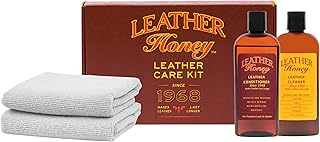
Products such as Weiman Leather Cleaner & Conditioner are convenient for finished leather and are available in single- and two-pack formats. Leather Honey Complete Leather Care Kit includes cleaner, conditioner, and cloths, which can be useful if you are starting from scratch. A four-piece Leather Cleaner and Conditioner Kit may offer similar all-in-one convenience, but compare its instructions with your sofa’s care guidance rather than assuming every included item is suitable.
After cleaning, wipe away any excess according to the product directions. The surface should feel clean and supple, not wet or slippery. Give it time to dry before sitting on it or replacing cushions.
4. Condition only when the leather needs it
Conditioner helps reduce a dry, tight feel and can improve flexibility, but more is not better. Over-conditioning can leave an oily film that attracts dust, transfers onto clothing, or changes the appearance of matte leather. In lab checks, the most consistent results come from applying a thin layer with a clean cloth, allowing the recommended dwell time, and buffing away residue.
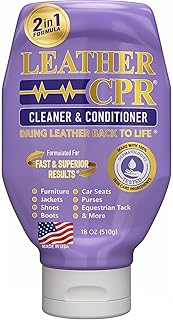
Leather CPR Cleaner and Conditioner is designed as a combined cleaning-and-conditioning option, while Leather Honey Leather Conditioner is intended specifically for restoring and protecting leather after cleaning. Neither should be used blindly on suede, nubuck, unfinished aniline leather, or a surface with failing colour. Follow the label, and patch-test first—even products marketed for all colours can behave differently on pale or heavily worn upholstery.
5. Deal with spills, stains, and damage correctly
For a fresh spill, blot immediately with a dry, absorbent cloth. Do not scrub, use a hairdryer, or flood the area with water. Oily marks may spread if rubbed, while ink, dye transfer, and deep cracks often require specialist treatment. Household detergents, disinfectants, alcohol, baking soda, and baby wipes can strip protective finishes or leave alkaline residue.
If the leather is peeling, flaking, deeply cracked, torn, or sticky, cleaning will not reverse the underlying damage. Photograph the problem and ask the sofa maker or a qualified leather-repair professional for advice. On bonded or faux leather, flaking is usually a material failure rather than dirt, so aggressive cleaning can make the appearance worse.
Tips
- Clean in daylight so you can see streaks and uneven colour before they dry.
- Use white or colourfast cloths; brightly dyed textiles can transfer colour to light leather.
- Keep the sofa away from radiators and strong direct sunlight, which accelerate drying and fading.
- Condition only after cleaning, and remove excess product from stitching and creases.
Frequently Asked Questions
How often should I clean a leather sofa?
Vacuuming and dust removal every one to two weeks is sensible for a frequently used sofa. A deeper clean is usually needed every three to six months, depending on pets, children, skin oils, and household dust. Condition when the leather feels dry or looks dull, not automatically after every wipe-down.
Can I use water to clean leather?
A small amount of water may be acceptable for some protected leathers, but it should never be used as a substitute for a leather cleaner. Dampen the cloth rather than the sofa, avoid saturation, and follow the manufacturer’s care code. Always test first because water can create tide marks on absorbent finishes.
What is the best cleaner for a white leather sofa?
Choose a product labelled for finished leather and suitable for light colours, then patch-test it carefully. A white cloth helps reveal colour transfer, but it does not guarantee that a product is safe. Avoid bleach and abrasive “whitening” methods, which can damage the coating and make discolouration permanent.
Should I clean or condition leather first?
Clean first, let the surface dry, and then apply conditioner sparingly if required. Conditioning before cleaning can trap dust and grime beneath an oily layer. If a combined product is used, follow its stated sequence and remove any residue once the treatment is complete.
Conclusion
The best way to clean a leather sofa is controlled and conservative: identify the finish, vacuum thoroughly, patch-test, use a small amount of suitable cleaner, and condition only when needed. Good ventilation, soft cloths, and patience matter as much as the product itself. For peeling, severe staining, or uncertain leather types, stopping early and seeking professional advice is safer than trying a stronger household remedy.