Key takeaways
- Test your existing pillow at the same time. A topper that lowers your shoulder into the bed may require a slightly thinner pillow to keep your neck aligned.
- Give a new foam topper several nights before judging it. Initial odor and firmness can change as the material expands and acclimates.
- Use a washable protector over the topper, but avoid a very tight protector that compresses its cushioning.
- If you share a bed, choose a topper with good motion isolation, but remember that thicker foam can make changing positions more effortful.
What's inside
Side sleeping can be comfortable, but it places concentrated pressure on the shoulder, hip, and outer knee. A mattress that feels supportive on your back may feel unyielding on your side, while an overly soft surface can let your waist and pelvis sink out of alignment. A mattress topper is a relatively simple way to fine-tune that balance without replacing the entire bed.
From a home-appliance and household-product testing perspective, the best topper is not necessarily the thickest or softest model. We look at pressure relief, temperature management, movement, edge stability, cover construction, fit, and practical care. This guide explains which features matter most for side sleepers in 2026 and how to choose a topper that complements your existing mattress.
As an Amazon Associate we earn from qualifying purchases.



Start with the feel of your mattress
Your current mattress determines how much work the topper needs to do. If the surface is firm and causes shoulder or hip discomfort, a 2- to 3-inch foam topper is usually the most noticeable upgrade. Memory foam can contour around prominent joints, spreading weight over a wider area. The PERLECARE 3 Inch Gel Memory Foam Mattress Topper and ViscoSoft 3 Inch Memory Foam Mattress Topper are examples of substantial options for adding cushioning without completely changing the bed’s support system.
If your mattress already feels soft, a thick topper may increase sinking rather than improve alignment. In that situation, choose a thinner quilted pad or consider replacing a worn mattress. A topper can adjust comfort, but it cannot reliably correct deep sagging or broken support.
Choose the right thickness and firmness
For most side sleepers, 2 to 3 inches is a useful range. Around 2 inches adds gentle cushioning while preserving more of the mattress’s original feel. A 3-inch topper creates a deeper cradle and is often preferable for people with broad shoulders, pronounced hips, or a very firm mattress. Side sleepers with higher body weight may also benefit from a denser, thicker design that resists bottoming out.
Look for medium-soft to medium support rather than simply selecting the plushest description. Very soft foam can feel comfortable initially but may allow the spine to curve sideways. When lying on your side, your head, neck, and spine should remain roughly level rather than angling downward toward the mattress.
Compare foam, fiber, and hybrid cushioning
Memory foam offers the most precise pressure distribution and tends to reduce the sensation of a partner’s movement. Ventilated or gel-infused versions, such as the VALUXE 3 Inch Gel Memory Foam Mattress Topper, are designed to make heat management easier, although no foam topper will feel as airy as an open fiber pad.
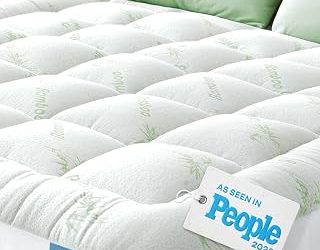
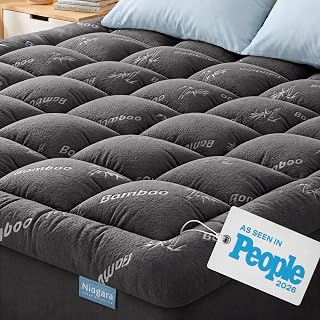
Fiber-filled pillow tops are lighter, easier to fold, and often more breathable. They provide a fluffy surface but may compress faster and offer less targeted support for the shoulder and hip. The BEDLORE Queen Mattress Topper, with its viscose-bamboo fabric and deep stretchable pockets, is a reasonable style to consider when surface softness and easy mattress fit are priorities. The Niagara Sleep Solution Ultra Soft & Cooling Mattress Topper takes a similar pillow-top approach with a deep-pocket design.
For a softer feel without a full memory-foam embrace, a quilted pad such as the Ultra Soft & Cooling Full Size Mattress Topper may suit sleepers who mainly want a gentler first layer. Check the size carefully: a Full topper is not interchangeable with a Queen model.
Pay attention to heat and materials
Side sleepers often spend more of their body against the topper, so heat buildup can become noticeable. Breathable covers, perforated foam, and gel infusions may help, but bedding, room temperature, and the mattress underneath have just as much influence. Rayon or viscose derived from bamboo can feel smooth and cool to the touch, while a washable cover is valuable for regular maintenance.
Do not treat “cooling” as a guarantee of a cold sleep surface. Instead, prioritize airflow and a removable, washable cover, then pair the topper with breathable sheets. Certifications such as OEKO-TEX can also provide useful information about tested materials and chemical emissions; the PERLECARE model lists this certification among its features.
Check fit, movement, and maintenance
A topper that shifts during the night can undo its comfort benefits. Look for elastic straps, a non-slip underside, or a cover with deep fitted pockets. Measure your mattress, including any existing pad, before ordering. Pocket claims such as 6- to 18-inch or 20-inch depth ranges are helpful, but the actual construction and elasticity still determine how securely the topper stays in place.
Foam toppers are typically shipped compressed and need time to expand in a ventilated room. Follow the manufacturer’s setup instructions before sleeping on the product. Covers should be washed according to their care label, while the foam core generally should not be machine-washed or saturated. Rotate the topper occasionally if the manufacturer permits it, and allow it to air out if it develops moisture or odor.
Tips
- Test your existing pillow at the same time. A topper that lowers your shoulder into the bed may require a slightly thinner pillow to keep your neck aligned.
- Give a new foam topper several nights before judging it. Initial odor and firmness can change as the material expands and acclimates.
- Use a washable protector over the topper, but avoid a very tight protector that compresses its cushioning.
- If you share a bed, choose a topper with good motion isolation, but remember that thicker foam can make changing positions more effortful.
Frequently Asked Questions
How thick should a mattress topper be for side sleeping?
Most side sleepers should start with 2 to 3 inches. Choose closer to 2 inches for modest cushioning or a mattress that is already supportive, and closer to 3 inches when shoulder and hip pressure are significant or the mattress is especially firm.
Is memory foam or a pillow-top pad better for side sleepers?
Memory foam generally provides more precise pressure relief and motion isolation. A pillow-top pad feels lighter, softer, and more breathable but may not prevent pressure points as effectively. Your preferred temperature and the firmness of your mattress should guide the choice.
Can a topper fix back pain?
It may improve comfort when pain is related to pressure or an overly firm surface, but it is not a treatment for a medical condition. Persistent, severe, or worsening pain deserves advice from a qualified healthcare professional. A topper should also keep your spine reasonably aligned rather than allowing your hips to sag.
How long do mattress toppers last?
Longevity varies with material quality, body weight, use, and care. Dense foam can retain its shape for several years, while fiber fills may flatten sooner. Visible permanent impressions, uneven support, or recurring discomfort are signs that replacement may be appropriate.
Conclusion
The best mattress topper for a side sleeper in 2026 is one that cushions the shoulder and hip without letting the midsection collapse. Start by assessing your mattress, then select a suitable thickness, breathable construction, secure fit, and washable cover. For deeper pressure relief, compare 3-inch foam models such as PERLECARE, ViscoSoft, or VALUXE; for a lighter, softer surface, consider a bamboo-fabric pillow-top design such as BEDLORE or Niagara Sleep Solution. A careful match will usually matter more than a long list of extra features.