Key takeaways
- Use a firm, flat surface when testing a topper; placing it on a sagging mattress can produce misleading results.
- Allow compressed foam to expand fully before judging its firmness or deciding whether it fits your sheets.
- Use a breathable, washable mattress protector, but avoid thick waterproof layers if heat retention is already a concern.
- Rotate the topper occasionally if the care instructions permit, and inspect it for permanent dips rather than temporary impressions.
What's inside
A mattress topper can change the feel of a bed more dramatically—and at much lower cost—than replacing the mattress outright. But “memory foam” covers a wide range of designs: a slim, springy layer may soften a firm surface, while a thick topper can add substantial cushioning and alter how easily you move in bed. Cooling treatments, cover construction, odor, edge stability, and the condition of the mattress underneath all matter.
From a home-appliance and household-product testing perspective, the best choice is the one that matches your sleeping position, room temperature, and existing mattress—not necessarily the thickest or most heavily advertised model. This guide explains how to compare foam density, ventilation, thickness, pressure relief, fit, and care so you can choose a topper with realistic expectations.
As an Amazon Associate we earn from qualifying purchases.


Recommended picks: match the topper to the problem
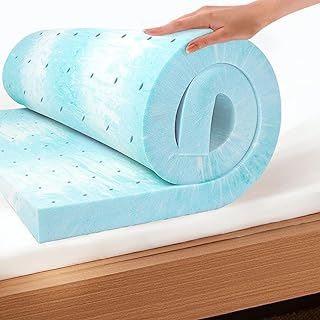
For a straightforward pressure-relieving upgrade, the EGO 3 Inch Queen Mattress Topper combines gel-infused foam with a ventilated design and a CertiPUR-US certification. It is a sensible middle-ground thickness for sleepers who want noticeable cushioning without adding the bulk of a five-inch pillow-top.
The Linenspa 2 Inch Gel Infused Memory Foam Topper is the less disruptive option. Its slimmer profile is useful when a mattress is generally comfortable but feels a little too firm, or when you want to preserve more of the bed’s original support and ease of movement.
Another versatile choice is the Best Price Mattress 3 Inch Ventilated Memory Foam Topper, which pairs a familiar medium-depth profile with cooling gel infusion. The SINWEEK 3 Inch Gel Memory Foam Topper adds a removable soft cover and ventilated high-density foam, features that may appeal to shoppers prioritizing a more finished, mattress-like feel.
Extra-thick models need more careful consideration. The WhatsBedding 5 Inch Memory Foam Topper uses a thick, fluffy pillow-top construction, while the SHOUREN 5 Inch Extra Thick Gel Memory Foam Topper adds body-contouring foam, a plush surface, and four-way straps. These designs can make a firm bed feel substantially softer, but they also raise the sleeping surface and may retain more heat.
Choose the right thickness and firmness
Thickness determines how much the topper changes the bed. A 2-inch layer usually fine-tunes comfort: it can take the edge off a firm mattress while preserving much of its underlying support. A 3-inch topper creates a more noticeable buffer around the hips and shoulders and is often the most adaptable choice for side sleepers or couples with different preferences.
Four- and five-inch designs provide the greatest cushioning, but more material is not automatically better. A very soft, thick topper can allow the pelvis to sink too far, particularly for stomach sleepers or heavier adults. If your mattress already sags, a topper may disguise the problem temporarily but cannot restore the support of a sound mattress.
Understand foam, gel, and ventilation
Traditional memory foam responds to body heat and pressure, producing a close, cradling feel. That contouring can reduce pressure at the shoulders and hips, although some people find it restrictive when turning. Gel infusion and perforated or ventilated channels may improve heat dispersion, but they do not make foam actively cold. Bedroom temperature, sheets, mattress protectors, and the sleeper’s own heat production remain important.
When comparing specifications, look for clear information about the foam rather than relying only on the word “cooling.” Certifications such as CertiPUR-US indicate that qualifying foam has been tested against certain chemical emissions and performance requirements; they do not guarantee a particular firmness, lifespan, or temperature experience.
Check fit, cover, and daily practicality
A topper should sit flat without sliding or bunching. Measure the mattress, including its existing pillow-top, and check the combined height before buying fitted sheets. Straps, elastic edging, or a well-fitting cover can help, especially on adjustable bases or beds where sleepers move frequently. A removable, washable cover is a useful convenience, but always follow its care label; the foam core itself is generally spot-cleaned rather than machine-washed.
New foam commonly arrives compressed in a box. Give it time to expand on a clean, ventilated surface, and expect a temporary “new foam” odor. The duration varies with the product, room temperature, and ventilation. Do not cover the topper until it has reached its intended shape and any noticeable odor has diminished.
Consider sleeping position and support needs
Side sleepers often benefit from enough thickness to cushion the shoulder and hip while keeping the spine level. Back sleepers usually need a balanced surface: too little cushioning can create pressure at the lower back, while excessive sink can reduce support. Stomach sleepers generally do better with a thinner, firmer topper that limits midsection sink.
For persistent back pain, treat a topper as a comfort experiment rather than a medical device. A model marketed for back pain may feel helpful because it distributes pressure, but individual results depend on body shape, sleeping position, and the mattress below. Seek professional advice if pain is severe, new, or ongoing.
Tips
- Use a firm, flat surface when testing a topper; placing it on a sagging mattress can produce misleading results.
- Allow compressed foam to expand fully before judging its firmness or deciding whether it fits your sheets.
- Use a breathable, washable mattress protector, but avoid thick waterproof layers if heat retention is already a concern.
- Rotate the topper occasionally if the care instructions permit, and inspect it for permanent dips rather than temporary impressions.
Frequently Asked Questions
Is a memory foam topper good for a too-firm mattress?
Usually, yes. A 2- or 3-inch topper can add pressure relief without completely changing the bed’s support. Choose a thicker model only if you want a pronounced plush or contouring feel and the mattress is structurally sound.
Will gel memory foam keep me cool?
It may sleep less warm than a comparable solid-foam design, particularly when ventilated, but gel is not active refrigeration. Breathable bedding, a cool room, and a less enveloping topper can have just as much impact.
How thick should a mattress topper be?
Two inches is suitable for modest softening, while three inches is a versatile choice for more noticeable pressure relief. Five inches is a major comfort change and should be selected only when substantial cushioning and added bed height are acceptable.
How long does a memory foam topper last?
There is no universal lifespan. Foam quality, body weight, use, ventilation, and the condition of the mattress beneath all affect durability. Replace it when it develops lasting body impressions, loses support, or no longer returns to shape.
Conclusion
The best memory foam mattress topper is a targeted solution: slim for gentle softening, medium-depth for balanced pressure relief, and extra-thick for a pronounced pillow-top transformation. Compare thickness, firmness, ventilation, cover design, certification, and fit together, then choose the construction that complements your mattress and sleeping position. A topper cannot repair a worn-out bed, but the right one can make a sound mattress more comfortable and extend its useful life.