Key takeaways
- Protection level: For busy family use, prioritize finishes that resist water, heat, and food stains without turning cloudy or tacky after repeated wipe-downs.
- Look and feel: Hard-wax oils keep more natural grain texture and a low-sheen, touchable surface, while acrylic or polyurethane-style topcoats create a clearer protective film.
- Repairability: Spot-repair matters on dining furniture. Oil-based systems are usually easier to refresh locally, whereas film finishes may require broader sanding for invisible repairs.
- Dry time and odor: If the table is in active use, quick-drying, lower-odor finishes are easier to live with and reduce the chance of dust settling into the coat.
- Table material and design: Solid wood, veneered tops, textured surfaces, and extendable leaves all behave differently. Match the finish to the table’s movement, texture, and expected wear pattern.
What's inside
Dining tables live a harder life than most furniture: hot plates, acidic spills, wet glasses, constant wipe-downs, and sunlight all test a finish in ways a showroom never will. From a product-testing standpoint, the challenge for buyers is separating a finish that merely looks good on day one from one that still looks calm and even after months of abrasion, moisture, and routine cleaning.
This guide focuses on what actually matters in dining-table performance for 2026: resistance to water rings, heat, household cleaners, and daily friction, plus how different finishes suit modern, farmhouse, and expandable tables. We’ve also included a few table examples to show where a hard-wax oil or a clear film finish makes the most practical match.
As an Amazon Associate we earn from qualifying purchases.


How to Choose a Finish For Dining Table (2026)
- Protection level: For busy family use, prioritize finishes that resist water, heat, and food stains without turning cloudy or tacky after repeated wipe-downs.
- Look and feel: Hard-wax oils keep more natural grain texture and a low-sheen, touchable surface, while acrylic or polyurethane-style topcoats create a clearer protective film.
- Repairability: Spot-repair matters on dining furniture. Oil-based systems are usually easier to refresh locally, whereas film finishes may require broader sanding for invisible repairs.
- Dry time and odor: If the table is in active use, quick-drying, lower-odor finishes are easier to live with and reduce the chance of dust settling into the coat.
- Table material and design: Solid wood, veneered tops, textured surfaces, and extendable leaves all behave differently. Match the finish to the table’s movement, texture, and expected wear pattern.
The Best Finish For Dining Table (2026)s Reviewed
Gilboys Hard Wax Oil
In dining-surface testing, Gilboys Hard Wax Oil stands out for giving real-world protection without burying the wood under a plastic-looking shell. It’s especially appealing for solid-wood tops because it handles splash exposure well, leaves a warm low-luster finish, and is far easier to refresh than most full-film coatings.
Minwax Polycrylic Satin Clear
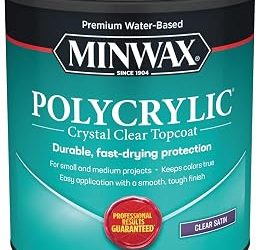
Minwax Polycrylic is the practical pick if your priority is a clean, durable barrier with a satin look that doesn’t heavily amber the wood. On tabletops that see frequent wiping and casual family use, it offers dependable clarity and easier maintenance than softer decorative finishes.
72-inch Luxury Modern Dining Table
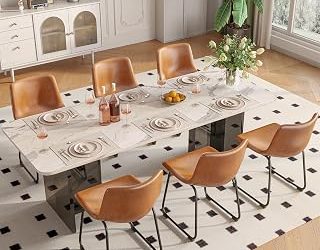
The 72-inch Luxury Modern Dining Table, with its hand-pressed textured top, benefits most from a finish that protects without flattening visual detail. A hard-wax oil is the more natural pairing here, since it preserves the top’s tactile character while still adding usable moisture and heat resistance.
47-inch Round Dining Table with 2 Drawers
This farmhouse-style walnut table has the kind of everyday utility that calls for a forgiving finish rather than a fussy one. For households using the drawers and shelf constantly, a satin clear coat such as Polycrylic makes sense on high-contact areas because it simplifies cleanup and helps the top hold up to repeated scrubbing.
63–79 Inch Extendable Dining Table
Extendable tables add one complication: moving parts and leaves create extra friction at seams and edges. The 63–79 Inch Extendable Dining Table is best served by a finish with solid abrasion resistance and even coverage, since extension points can wear faster than the center field of the tabletop.
Frequently Asked Questions
What is the best overall finish for a dining table?
For many wood dining tables, a hard-wax oil is the best balance of appearance, protection, and repairability. If you want maximum simplicity for cleanup and a more sealed surface, a satin clear protective topcoat is often the stronger choice.
Is hard-wax oil durable enough for everyday dining?
Yes, provided you choose a quality formula and apply it correctly. In normal household use, a good hard-wax oil holds up well against spills, mild heat, and daily wear, while making future touch-ups much less painful than refinishing a full film coat.
Which is better for a family table: oil finish or clear coat?
It depends on how the table is used. Oil finishes look more natural and are easier to repair, while clear coats generally offer a more obvious protective barrier against repeated wiping, kids’ messes, and routine cleaning products.
Can I use the same finish on a textured or extendable dining table?
Usually yes, but application matters more. Textured tops need even coverage without pooling in recesses, and extendable designs need special attention at edges, seams, and moving sections where wear shows up first.
Final Thoughts
If you want the best all-around finish for a real wood dining table, Gilboys Hard Wax Oil is the most balanced pick. For a simpler sealed surface, Minwax Polycrylic Satin Clear is a strong alternative. If you’re buying around a specific table style, the 72-inch Luxury Modern Dining Table and the 63–79 Inch Extendable Dining Table are good reminders that finish choice should follow the table’s surface design and how hard it will be used.