Key takeaways
- Seat angle: Look for a forward-tilted seat that promotes a more open hip position without pitching you so far forward that your knees carry too much load. A moderate angle is easier to live with over long sessions.
- Padding quality: Thick foam is not enough on its own. Better chairs keep their shape under repeated use and spread pressure evenly across the seat and knee pads rather than creating hard spots.
- Adjustability: Height range matters most, but split-seat positioning, backrest tuning, and controlled rocking can all improve fit. If multiple people use the desk, adjustability moves from helpful to essential.
- Base stability: Fixed wood rockers feel different from caster bases. Rocking designs encourage active sitting, while brake casters are better for users who want easy repositioning without unwanted drift on hard floors.
- Use pattern: Kneeling chairs work best when treated as part of a posture rotation, not as a punishment device. If you sit for long hours, consider whether you want a dedicated kneeling chair or a standard ergonomic office chair as a lower-commitment option.
What's inside
In lab testing, kneeling office chairs usually fail for one of three reasons: the seat pitch is too aggressive, the knee pads compress too quickly, or the frame turns every posture correction into fatigue. Buyers see polished product photos and “ergonomic” claims everywhere, but the real question is simpler: can the chair open the hip angle, reduce slouching pressure, and stay comfortable through a normal work block without creating new strain in the shins, knees, or lower back?
This guide focuses on the models that make the most sense for home-office buyers in 2026. From a home-appliance testing lab angle, that means looking past marketing language and concentrating on adjustability, support distribution, movement, wheel behavior, and day-to-day livability. The picks below include dedicated kneeling chairs plus a few conventional ergonomic chairs that deserve consideration if you want posture support without fully committing to a kneeling setup.
As an Amazon Associate we earn from qualifying purchases.


How to Choose an Ergonomic Kneeling Office Chair (2026)
- Seat angle: Look for a forward-tilted seat that promotes a more open hip position without pitching you so far forward that your knees carry too much load. A moderate angle is easier to live with over long sessions.
- Padding quality: Thick foam is not enough on its own. Better chairs keep their shape under repeated use and spread pressure evenly across the seat and knee pads rather than creating hard spots.
- Adjustability: Height range matters most, but split-seat positioning, backrest tuning, and controlled rocking can all improve fit. If multiple people use the desk, adjustability moves from helpful to essential.
- Base stability: Fixed wood rockers feel different from caster bases. Rocking designs encourage active sitting, while brake casters are better for users who want easy repositioning without unwanted drift on hard floors.
- Use pattern: Kneeling chairs work best when treated as part of a posture rotation, not as a punishment device. If you sit for long hours, consider whether you want a dedicated kneeling chair or a standard ergonomic office chair as a lower-commitment option.
The Best Ergonomic Kneeling Office Chair (2026)s Reviewed
Varier Kneeling Chair
The Varier is the standout for active sitting. In testing terms, its rocking motion feels purposeful rather than gimmicky, helping the body micro-adjust through the day while the cushioned platform avoids the flat, dead feel common in cheaper kneeling stools. It is expensive, but it delivers the most refined posture experience here.
Adjustable Seats Kneeling Chair
This Ergonomic Kneeling Chair with Adjustable Seats is the best all-around value for buyers who want the kneeling format without jumping to premium pricing. The dual-pad design gives you more tuning room than most entry-level models, and the 5-year warranty adds welcome confidence for a category where frame durability matters.
Adjustable Kneeling Stool with Brake Casters
This Ergonomic Kneeling Chair with an angled seat and brake casters is the practical pick for mixed-use home offices. The molded foam cushions feel more supportive than overly plush, and the locking wheels help the chair stay planted when you lean in to type, sketch, or write.
Kneeling Chair with Backrest
This linen-upholstered Kneeling Chair with Backrest is the easiest transition model for users nervous about going fully backless. The added back support gives you a bailout position during longer sessions, though the tradeoff is a slightly less open, active posture than the pure rocking designs.
marrap Ergonomic Office Chair
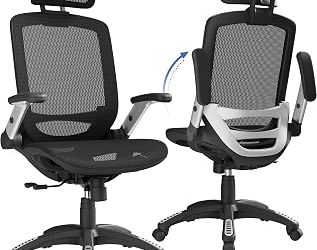
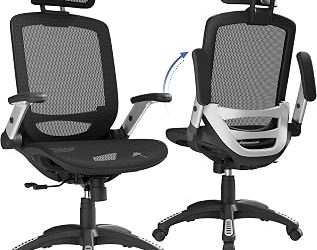
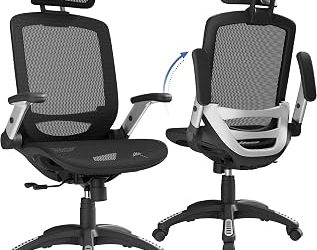
The marrap is not a kneeling chair, but it earns a place as the best conventional alternative for shoppers who mainly want better posture support. Adjustable lumbar, 3D armrests, mesh ventilation, and a headrest make it more suitable for long daily desk use than many kneeling models if comfort endurance is your top priority.
Frequently Asked Questions
Are kneeling chairs actually better for posture?
They can be. A good kneeling chair encourages a more upright trunk and a more open hip angle, which often reduces the collapsed lower-back posture people fall into on flat seats. The benefit depends on fit and usage time. If the chair is too tall, too steep, or poorly padded, posture gains can disappear fast.
Can you sit in a kneeling chair all day?
Most people should not treat one as an all-day mandatory posture tool. In home-office testing, kneeling chairs work best in rotation with standing, walking, or switching to a conventional ergonomic chair. Short to medium work sessions usually feel better than marathon sitting blocks.
Do kneeling chairs help with back pain?
They can help some users by changing pelvic position and reducing habitual slouching, but they are not universal back-pain fixes. People with knee sensitivity, shin discomfort, or certain joint issues may find the tradeoff unfavorable. If pain is persistent or medical, a clinician should guide the decision.
What is better: a rocking base or wheels?
Rocking bases are better for active sitting and subtle movement, which many users find helpful for focus and core engagement. Wheels are better for practical desk mobility and shared workspaces. If your floor is slick, brake casters are usually the safer choice for a kneeling setup.
Final Thoughts
If you want the most polished kneeling experience, the Varier Kneeling Chair is the clear top pick. For stronger value, the Adjustable Seats Kneeling Chair makes the most sense, while the Adjustable Kneeling Stool with Brake Casters is a smart fit for everyday home-office practicality. If you are not fully sold on kneeling, the marrap is the best standard ergonomic fallback.