Key takeaways
- Color match: Start with undertone, not name alone. “Brown” can lean red, gray, or yellow; on sofas, undertone mismatch shows most on broad seat panels under daylight.
- Formula type: Recoloring balms are usually easier for faded furniture and light scratches, while penetrating dyes can give richer saturation but demand more prep and tighter application control.
- Surface compatibility: Check whether product is meant for finished leather, vinyl, bonded leather, or mixed upholstery. Many living-room sofas use more than one surface type.
- Flex and transfer resistance: Sofa cushions compress and flex more than many fashion items. Better products dry with enough elasticity to resist cracking and enough bind to reduce rub-off.
- Repair scope: For cosmetic fading, a balm may be enough. For scuffs, shallow scratches, and broader wear zones, choose a product with stronger pigment and buildable coverage.
What's inside
In lab testing, leather sofa dyes usually fail in familiar ways: color looks right in jar, then dries too red, too flat, or too glossy on cushion. Some products sit on surface and rub off on clothing. Others darken scratches but leave worn panels patchy because pigment load is too light for sun-faded seating. On bonded leather and vinyl-trim furniture, mismatch gets worse fast. Buyers are not choosing between “good” and “bad” so much as balancing coverage, flexibility, ease of blending, and how forgiving product is for first-time touch-ups.
This guide focuses on sofa-friendly leather dyes and recoloring balms that make practical sense for home furniture, not only shoes or craft work. From testing-lab angle, key questions are simple: how evenly color spreads, how well it masks abrasion, whether finish stays supple after curing, and which formulas are easiest to control on armrests, seat fronts, and high-contact edges. Picks below cover common furniture shades, including medium brown, dark brown, beige, and black.
As an Amazon Associate we earn from qualifying purchases.


How to Choose a Leather Sofa Dye (2026)
- Color match: Start with undertone, not name alone. “Brown” can lean red, gray, or yellow; on sofas, undertone mismatch shows most on broad seat panels under daylight.
- Formula type: Recoloring balms are usually easier for faded furniture and light scratches, while penetrating dyes can give richer saturation but demand more prep and tighter application control.
- Surface compatibility: Check whether product is meant for finished leather, vinyl, bonded leather, or mixed upholstery. Many living-room sofas use more than one surface type.
- Flex and transfer resistance: Sofa cushions compress and flex more than many fashion items. Better products dry with enough elasticity to resist cracking and enough bind to reduce rub-off.
- Repair scope: For cosmetic fading, a balm may be enough. For scuffs, shallow scratches, and broader wear zones, choose a product with stronger pigment and buildable coverage.
The Best Leather Sofa Dye (2026)s Reviewed
Leather Recoloring Balm
This Leather Recoloring Balm, Leather & Vinyl Color Restorer Conditioner is strong pick for general sofa maintenance because it combines color refresh with conditioning feel. In testing terms, it suits lightly faded seating and edge wear well, especially when buyer wants low-drama application on finished leather or vinyl accents.
Furniture Clinic Medium Brown
Furniture Clinic – Medium Brown Leather Dye for Furniture, Couches & Car Seats is one of most furniture-specific options here, and that matters. It gives more controlled, credible restoration on scratched and sun-softened brown sofas than many generic recolorers, with shade profile that works well on traditional medium-brown upholstery.
Angelus Jet Black
Angelus Leather Dye in Jet Black is best reserved for black sofas that need decisive recoloring rather than subtle blending. Its flexible formula is respected for strong saturation, but on furniture it rewards careful prep and restrained use; excellent for black touch-ups, less forgiving for casual first passes.
Dark Brown Repair Kit
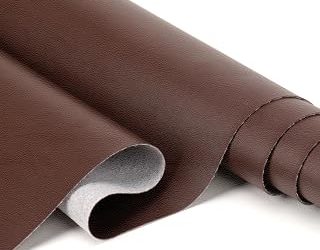
Dark Brown Leather Repair Kit, Recoloring Balm, Leather Dye is useful when sofa has both fading and visible surface scuffs. It behaves like problem-solver product for busy family seating, with enough pigment to deepen worn dark-brown areas without making repaired spots look stiff or chalky when layered carefully.
Beige Leather Recoloring Balm
Leather Recoloring Balm and Leather Repair Kit for Furniture, Beige Leather Dye solves one of hardest furniture categories: light upholstery. Beige sofas show every abrasion and shadow, so controllable coverage matters more than brute opacity; this one is best for refreshing tired neutral leather without pushing color too muddy or yellow.
Frequently Asked Questions
Does leather sofa dye work on cracked leather?
It helps appearance of light cracking and surface abrasion, but it does not rebuild torn or deeply split leather by itself. For severe damage, use proper filler or repair system first, then recolor after surface is smooth and stable.
How do I match sofa color more accurately?
Test in hidden area and let it dry fully before judging. Wet product often looks darker, and room lighting shifts brown and beige shades more than buyers expect. If between two tones, slightly lighter is usually easier to blend than overly dark.
Will dye rub off on clothes after application?
Good prep and full cure matter as much as formula. Clean off body oils and old conditioner first, apply thin coats, and allow complete drying between layers. Transfer risk rises when product is overapplied onto dirty or glossy surfaces.
Is a recoloring balm better than a traditional dye for sofas?
For most household touch-ups, yes. Recoloring balms are easier to spread, easier to feather into worn panels, and often more forgiving on finished upholstery. Traditional dyes can outperform them for deep color change or black restoration, but they demand more discipline.
Final Thoughts
For most homes, Furniture Clinic Medium Brown stands out for furniture-specific credibility, Leather Recoloring Balm is best all-around for quick refresh work, and Angelus Jet Black is top pick for black sofas needing stronger correction. Match product to sofa color, finish type, and damage level first; that is what separates clean restoration from obvious patch job.