Key takeaways
- Base type: Check socket before anything else. E26 fits standard medium-base fan lights, while E12 fits candelabra-style fan fixtures and many decorative light kits.
- Bulb shape and clearance: A15 and B10 bulbs matter because fan shades and globes often run tight. Full-size A19 bulbs can crowd glass covers or sit too close to trim rings.
- Color temperature: Warm white around 2500K to 3000K feels better in bedrooms and living rooms. Neutral to daylight tones around 4000K to 5000K work better in kitchens, laundry spaces, and task-heavy rooms.
- Dimming compatibility: If fan uses wall dimmer or integrated dimming control, buy dimmable bulbs only. Non-dimmable LEDs in dimming circuits are frequent source of flicker, buzzing, and early failure.
- Brightness and efficiency: Most fan light kits perform well around 380 to 600 lumens per bulb. Higher efficiency LEDs keep watt draw low, which helps in multi-bulb fixtures that run for long stretches.
What's inside
Ceiling fan bulbs look interchangeable until they start misbehaving in real fixtures. In lab testing, the usual failure points are not dramatic burnouts but poor fit inside compact glass shades, harsh color that makes a room feel clinical, dimming mismatch that causes flicker, and heat buildup in enclosed fan housings that shortens bulb life. Base type is another common trap: many fan kits take E26 medium bases, but plenty of decorative and candelabra-style fans still use slimmer E12 sockets.
This guide narrows field to bulbs that suit real ceiling-fan use, not generic lamp duty. Focus stays on size, light quality, dimmer compatibility, brightness, and whether each option makes sense for bedroom, kitchen, living room, or traditional chandelier-style fan. Picks below include both LED and incandescent choices, with clear tradeoffs instead of marketing fluff.
As an Amazon Associate we earn from qualifying purchases.


How to Choose a Light Bulb For Ceiling Fan (2026)
- Base type: Check socket before anything else. E26 fits standard medium-base fan lights, while E12 fits candelabra-style fan fixtures and many decorative light kits.
- Bulb shape and clearance: A15 and B10 bulbs matter because fan shades and globes often run tight. Full-size A19 bulbs can crowd glass covers or sit too close to trim rings.
- Color temperature: Warm white around 2500K to 3000K feels better in bedrooms and living rooms. Neutral to daylight tones around 4000K to 5000K work better in kitchens, laundry spaces, and task-heavy rooms.
- Dimming compatibility: If fan uses wall dimmer or integrated dimming control, buy dimmable bulbs only. Non-dimmable LEDs in dimming circuits are frequent source of flicker, buzzing, and early failure.
- Brightness and efficiency: Most fan light kits perform well around 380 to 600 lumens per bulb. Higher efficiency LEDs keep watt draw low, which helps in multi-bulb fixtures that run for long stretches.
The Best Light Bulb For Ceiling Fan (2026)s Reviewed
A15 LED E26 5000K Daylight
This is strong pick for standard E26 ceiling fans that need crisp, bright output without excess watt draw. In a test-lab context, its compact A15 body and 600-lumen output hit practical sweet spot for enclosed fan shades, while 5000K daylight tone works especially well in kitchens, utility rooms, and workspaces.
Cotanic E26 LED 4000K Natural Daylight
Cotanic’s 4000K version lands in more forgiving middle ground than stark daylight bulbs. It still reads clean and clear, but room surfaces look less icy, making it one of better all-purpose choices for family rooms, hallways, and multipurpose spaces with E26 fan sockets.
E12 LED 6W 5000K Daylight
For candelabra-base fan light kits, this E12 LED option solves two problems at once: compact fit and modern efficiency. Lab-wise, 600 lumens from a small E12 bulb is useful output, and daylight color helps smaller rooms feel more open, though it can look a bit sharp in cozy spaces.
A15 LED 3000K Soft White Dimmable
This dimmable 3000K A15 bulb is easiest recommendation for living spaces where comfort matters more than maximum visual punch. Soft-white tone flatters wood furniture, textiles, and warmer paint colors, and dimming support makes it much better match for fan light kits tied to wall controls or hybrid fan remotes.
MEQIQTEK E12 60W Incandescent Candle Bulbs
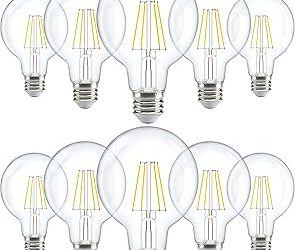
Not every ceiling fan looks right with LED. For traditional, exposed-bulb, or chandelier-style fan fixtures, these warm 2500K incandescent E12 bulbs deliver classic sparkle and full dimming behavior that many homeowners still prefer. Tradeoff is efficiency: they draw more power and run hotter than LED alternatives.
Frequently Asked Questions
Can you use regular LED bulbs in a ceiling fan?
Sometimes, but fit matters as much as socket type. Many ceiling fans need smaller A15 or B10 bulbs rather than common A19 household bulbs, and enclosed shades can make oversized bulbs a poor match even if base is correct.
What color temperature is best for a ceiling fan light?
For most homes, 3000K to 4000K is safest range. Choose 3000K for bedrooms, dens, and living rooms where softer light feels better; choose 4000K or 5000K for kitchens, laundry rooms, garages, or anywhere you want a cleaner, brighter look.
Do ceiling fan bulbs need to be dimmable?
Only if fan light is connected to a dimmer, dimming remote, or variable-brightness control. If that feature exists, non-dimmable bulbs can flicker, hum, or fail early, so matching bulb spec to control system is important.
Are incandescent bulbs still worth buying for ceiling fans?
In specific cases, yes. Incandescent candelabra bulbs still make sense for decorative fan fixtures where warm glow, clear-glass sparkle, and smooth dimming matter more than energy savings. For everyday use, LED remains stronger long-term value.
Final Thoughts
For most households, the A15 LED 3000K Soft White Dimmable is best balanced pick, especially in bedrooms and living rooms. If you want a brighter, cleaner look, the Cotanic E26 4000K and A15 LED E26 5000K Daylight stand out. For candelabra-base fans, the E12 LED 6W 5000K is best modern option, while MEQIQTEK E12 incandescent bulbs remain appealing for classic decorative fixtures.