Key takeaways
- Durability: Choose a tightly woven upholstery-weight textile that can tolerate repeated sitting, sliding, and contact with clothing. Thin craft fabric is better reserved for low-use chairs or decorative panels.
- Cleaning: Dining seats encounter crumbs, grease, drinks, and food stains. Look for fabric described as washable, water resistant, or suitable for indoor-outdoor use, but always verify the seller’s care instructions before cutting.
- Stretch and recovery: Non-stretch fabric is generally easier to pull evenly across a seat. Excessive give can create ripples, while very stiff fabric may be difficult to fold neatly around corners.
- Pattern scale: Large florals and bold motifs need extra yardage and careful centering. Small checks, subtle textures, and solid-look fabrics are more forgiving for a first project.
- Coverage: Measure the cushion, add enough fabric for the underside, and include a margin for mistakes. A dining seat commonly needs more material than its top surface suggests because the fabric must wrap around the foam and wooden base.
What's inside
Reupholstering dining chairs looks straightforward until you compare fabric weight, abrasion resistance, cleanability, and pattern scale. A material that looks attractive on a sample may sag around corners, fray under a staple, or show every spill once it is fitted to a busy dining seat.
Our home-appliance and household-furnishings testing perspective focuses on practical performance: handling, coverage, likely maintenance, and how each option suits everyday dining. This guide covers five fabric choices for different decorating goals, plus a ready-made chair alternative for shoppers who would rather replace than recover a seat.
As an Amazon Associate we earn from qualifying purchases.



How to Choose a Fabric To Reupholster Dining Chairs (2026)
- Durability: Choose a tightly woven upholstery-weight textile that can tolerate repeated sitting, sliding, and contact with clothing. Thin craft fabric is better reserved for low-use chairs or decorative panels.
- Cleaning: Dining seats encounter crumbs, grease, drinks, and food stains. Look for fabric described as washable, water resistant, or suitable for indoor-outdoor use, but always verify the seller’s care instructions before cutting.
- Stretch and recovery: Non-stretch fabric is generally easier to pull evenly across a seat. Excessive give can create ripples, while very stiff fabric may be difficult to fold neatly around corners.
- Pattern scale: Large florals and bold motifs need extra yardage and careful centering. Small checks, subtle textures, and solid-look fabrics are more forgiving for a first project.
- Coverage: Measure the cushion, add enough fabric for the underside, and include a margin for mistakes. A dining seat commonly needs more material than its top surface suggests because the fabric must wrap around the foam and wooden base.
The Best Fabric To Reupholster Dining Chairs (2026)s Reviewed
TinaKim Thick Faux Linen Upholstery Fabric
TinaKim’s thick faux-linen-style cloth is a sensible starting point for chairs that need a calm, versatile finish. The flaxen shade has a natural woven look that can disguise minor crumbs and everyday marks better than a very pale solid, while the 57-by-72-inch cut is convenient for a small dining set or several seat cushions depending on their dimensions. Its thicker feel should help it lie flat during stapling, although buyers should confirm the exact fiber content and care method before committing to a full set.
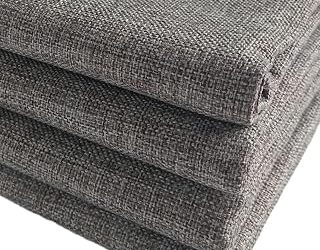
Grey Blue Faux Linen Needlework Fabric
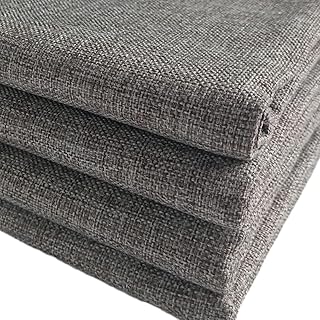
This 3.3-yard, 57-inch-wide grey-blue faux-linen fabric offers generous coverage for a multi-chair project. The muted blue-gray color works particularly well with light wood, black frames, or cool neutral dining rooms, and its broad continuous cut reduces the need to join pieces. It is a practical choice when consistency matters, but inspect the weave and edges on arrival; craft-oriented fabric may require more careful tensioning than dedicated commercial upholstery material.
Erosebridal Florals Flannel Fabric
The black, red, and yellow botanical design brings much more personality than a plain weave, making it a strong choice for farmhouse, eclectic, or vintage-inspired dining areas. This non-stretch floral flannel is easier to position than a fabric with noticeable elasticity, but the printed motif demands planning: lay out each cushion before cutting so flowers and leaves do not appear unintentionally off-center. Because it is sold by the yard, calculate quantity carefully and allow extra for pattern matching.
Erosebridal Cowboy Horse Upholstery Fabric
With a western horse-and-cactus theme and a brown desert palette, this fabric is designed for a statement room, breakfast nook, or casual dining space rather than an understated formal set. Its advertised waterproof indoor-outdoor positioning makes it appealing for spill-prone households and covered entertaining areas, though water resistance is not the same as stain-proof performance. The available 10-yard length is especially useful for a large coordinated project, benches, or matching accent pieces.
Poker Plaid Upholstery Fabric
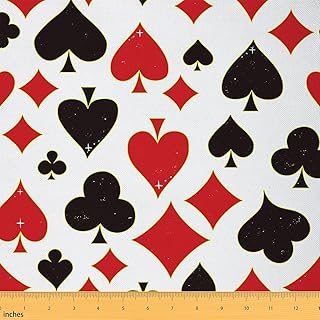
The red-and-black poker plaid combines a graphic lattice appearance with a playful game-room character. Its waterproof indoor-outdoor description may suit family dining, breakfast bars, or chairs used near food and drink, while the substantial yardage supports a broader makeover. Plaid alignment is the main installation challenge: keep the horizontal and vertical lines consistent across every seat, and order enough fabric to maintain the same orientation and repeat.
Frequently Asked Questions
What is the best fabric for dining chair seats?
A tightly woven, moderately heavy upholstery fabric is usually the safest all-purpose choice. Faux linen can provide a tailored look, while a water-resistant indoor-outdoor textile may be better for children, pets, or frequent entertaining.
How much fabric do I need for one dining chair?
Many standard seats require roughly three-quarters to one yard, but dimensions vary considerably. Measure the seat length and width, add the thickness of the cushion or foam, then include several inches on every side for wrapping and stapling.
Should I wash fabric before reupholstering?
Only if the manufacturer permits it. Prewashing can prevent later shrinkage, but it may also distort the weave, alter the finish, or create pressing problems. Follow the listed care instructions and test a small offcut first.
Can I use regular decorative fabric on dining chairs?
Yes, provided it is sufficiently dense and stable for the level of use. Check the fabric’s weight, backing, fray tendency, and cleaning requirements; lightweight craft cloth may work on occasional chairs but wear faster on daily-use seats.
Final Thoughts
For a broadly adaptable makeover, TinaKim’s Thick Faux Linen is the most approachable starting point. The Grey Blue Faux Linen stands out when you need more yardage and a cool, coordinated palette, while the Poker Plaid or Erosebridal Cowboy fabric better suits high-impact, spill-conscious spaces. If recovering feels too involved, the HomePop Parsons Dining Chair in Dark Blue offers a ready-made alternative without the cutting, folding, and stapling.