Key takeaways
- Vacuum the sofa using a soft upholstery attachment, especially along seams and under cushions.
- Remove crumbs and grit before wiping; trapped particles can act like fine sandpaper.
- Have two or three white, lint-free microfiber cloths ready, plus a bowl of clean water.
- Read the product label and test it on an inconspicuous lower edge or rear panel.
What's inside
White leather sofas show everyday wear faster than darker upholstery: body oils can leave gray patches, spills become obvious, and an overly wet cleaning job may create a larger mark than the original stain. The safest approach is controlled cleaning rather than aggressive scrubbing—identify the upholstery, remove loose soil, test a hidden area, and build up moisture gradually.
This guide takes a home-appliance testing lab approach: repeatable steps, modest product claims, and attention to the variables that affect results. You’ll learn how to clean finished white leather, when a cleaner-conditioner is appropriate, how to handle faux leather, and when discoloration is actually surface damage that cleaning cannot fix.
As an Amazon Associate we earn from qualifying purchases.




Recommended picks
For routine cleaning, Leather Honey Leather Cleaner is a sensible option for finished leather, faux leather, and vinyl, including white upholstery. If you prefer a combined cleaner and conditioner, Weiman Leather Cleaner & Conditioner is convenient for finished leather and includes UV-protection positioning for reducing future fading and cracking. Follow the label, and do not assume a product is suitable for every leather finish.
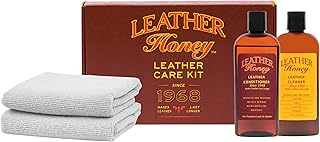
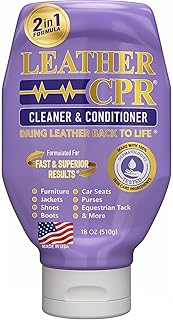
The Leather Honey Complete Leather Care Kit is useful when you want cleaner, conditioner, and cloths together. The larger Weiman two-pack may suit households cleaning multiple leather items. Leather CPR Cleaner and Conditioner is another all-in-one option for real leather furniture. A white recoloring balm or repair kit, such as the Leather Recoloring Balm with 100ml Mink Oil, belongs in the repair category—not the routine-cleaning category—and should be used only after testing and confirming the finish.
1. Identify the upholstery before applying anything
Check the sofa’s care label, manufacturer instructions, or purchase documentation. “Leather” may mean aniline, semi-aniline, protected or pigment-coated leather; these finishes react differently to water and cleaners. White protected leather is generally the most forgiving because its color sits beneath a protective coating. Aniline leather is more absorbent and can darken or develop water marks.
Also check whether the sofa is faux leather, vinyl, or bonded leather. These materials often tolerate a lightly damp cloth, but their surface film can peel if exposed to harsh solvents, abrasive pads, excess heat, or repeated heavy conditioning. Never use household bleach, glass cleaner, furniture polish, disinfectant, or melamine foam unless the manufacturer specifically approves it.
2. Set up a low-risk cleaning test
- Vacuum the sofa using a soft upholstery attachment, especially along seams and under cushions.
- Remove crumbs and grit before wiping; trapped particles can act like fine sandpaper.
- Have two or three white, lint-free microfiber cloths ready, plus a bowl of clean water.
- Read the product label and test it on an inconspicuous lower edge or rear panel.
Apply a small amount of cleaner to the cloth rather than saturating the sofa. Wait until the test area dries completely, then check for color transfer, tackiness, dullness, swelling, or a visible tide mark. If the finish changes, stop and contact the manufacturer or a leather specialist.
3. Clean in small, controlled sections
Work on an area about the size of a cushion at a time. Use gentle overlapping strokes, turning the cloth frequently so you are not redistributing soil. Do not scrub in circles or concentrate on one dark patch for several minutes; white coated leather can develop a polished-looking spot when its surface is overworked.
For greasy marks, allow the cleaner a short dwell time only if the label permits it, then lift the residue with a clean, slightly damp cloth. Avoid soaking seams, piping, perforations, and cushion gaps. If dirt remains after one pass, let the area dry and repeat once rather than increasing pressure or product quantity.
4. Dry, then decide whether conditioning is needed
Blot residual moisture with a dry microfiber cloth and let the sofa air-dry naturally, away from radiators, hairdryers, direct sun, and strong heating vents. Rapid drying can stiffen leather or encourage uneven coloration. Keep cushions positioned as they normally are so moisture does not collect along an edge.
Conditioner is generally intended for real, finished leather—not every faux-leather surface. Use it sparingly after cleaning and drying, particularly on frequently handled areas. Apply a thin, even layer, allow the stated absorption time, and buff lightly if directed. Too much conditioner can leave a greasy film that attracts dust and transfers to clothing. If the sofa maker prohibits conditioning, follow that instruction.
5. Treat stains and damage realistically
Fresh liquid should be blotted immediately with an absorbent white cloth; rubbing spreads the stain. For dried food or mud, lift solids gently with a blunt plastic edge, then use the tested cleaner. Ink, dye transfer from jeans, nail polish, paint, and deeply absorbed oils may not respond to household cleaning. Repeated applications can enlarge the affected area or damage the coating.
Color loss, scratches through the finish, peeling, and cracks are repair issues rather than cleaning issues. A recoloring balm may disguise minor surface wear, but white products can look noticeably different from the original upholstery. Match the color and finish carefully, test first, and consider professional repair for a prominent panel or a valuable sofa.
Tips
- Clean the whole cushion panel evenly instead of spot-cleaning only the center of a visible mark.
- Use white cloths so dye transfer does not create a new problem.
- Keep the sofa out of direct sunlight where practical; UV exposure can fade coatings and warm the surface.
- Vacuum weekly and wipe high-contact areas before grime becomes embedded.
Frequently Asked Questions
Can I clean a white leather sofa with dish soap?
It is not the safest default. Dish soap formulas vary and may remove protective oils or leave residue. Use the sofa manufacturer’s recommended product or a cleaner labeled for the specific leather finish, after a hidden-area test.
How often should white leather be cleaned?
Light vacuuming and quick spill removal should be frequent. For most households, a careful surface clean every few months is sufficient, with extra attention to arms, headrests, and seating areas. Clean when the surface is visibly soiled rather than on a rigid schedule.
Why did my white leather turn yellow?
Yellowing can result from age, sunlight, oxidation, smoke, transferred dyes, incompatible products, or deterioration of the coating. Cleaning may remove surface grime but cannot reverse chemical color change. Avoid bleach and seek the manufacturer’s advice before attempting restoration.
Can I use these products on faux leather?
Only if the label states that the product is suitable for faux leather or vinyl. Apply very little to a cloth, test first, and stop if the surface becomes sticky, cloudy, or flaky. Do not use leather conditioner automatically on synthetic upholstery.
Conclusion
The best way to clean a white leather sofa is to match the product to the finish, use minimal moisture, work gently in sections, and allow thorough natural drying. A dedicated leather cleaner such as Leather Honey Leather Cleaner or a tested cleaner-conditioner such as Weiman can simplify routine care, but no product replaces a patch test and careful technique. When the problem is fading, peeling, or deep dye transfer, stop cleaning and treat it as a repair decision.