Key takeaways
- Surface compatibility: Bare wood, sealed hardwood, laminate, and veneer do not behave alike. Confirm that the paint is intended for your dresser’s existing finish, and lightly scuff glossy surfaces when the label recommends it.
- Preparation requirements: “No sanding” does not mean “no cleaning.” Remove wax, grease, polish, and dust before painting; smooth damaged areas and test adhesion in an inconspicuous spot.
- Finish: Matte and chalk finishes hide minor imperfections, while semi-gloss is generally easier to wipe clean. Consider how much handling the dresser receives before choosing an appearance.
- Coverage and application: Brush-on formulas offer control around trim and drawer fronts. Spray paint can produce a smoother result, but it requires masking, ventilation, and several light passes.
- Indoor comfort: Water-based, low-odor formulas are preferable for bedrooms and living spaces. Even low-odor paint should be used with ventilation and allowed to cure fully before regular use.
What's inside
Best Paint For Wooden Dresser (2026) — In our furniture-finishing tests, the hardest part is rarely choosing a color. The real variables are adhesion, coverage, drying behavior, brush marks, odor, and whether the finish survives drawers opening, handles being pulled, and everyday cleaning. A paint that looks excellent on a sample board can disappoint on a glossy veneer or previously finished dresser.
This guide evaluates the leading options from a home-appliance and furniture-testing perspective, focusing on application effort, surface preparation, finish consistency, indoor usability, and likely durability. We also distinguish between brush-on paints for controlled refinishing and spray paint for fast, even coverage on suitable pieces.
As an Amazon Associate we earn from qualifying purchases.



How to Choose a Paint For Wooden Dresser (2026)
- Surface compatibility: Bare wood, sealed hardwood, laminate, and veneer do not behave alike. Confirm that the paint is intended for your dresser’s existing finish, and lightly scuff glossy surfaces when the label recommends it.
- Preparation requirements: “No sanding” does not mean “no cleaning.” Remove wax, grease, polish, and dust before painting; smooth damaged areas and test adhesion in an inconspicuous spot.
- Finish: Matte and chalk finishes hide minor imperfections, while semi-gloss is generally easier to wipe clean. Consider how much handling the dresser receives before choosing an appearance.
- Coverage and application: Brush-on formulas offer control around trim and drawer fronts. Spray paint can produce a smoother result, but it requires masking, ventilation, and several light passes.
- Indoor comfort: Water-based, low-odor formulas are preferable for bedrooms and living spaces. Even low-odor paint should be used with ventilation and allowed to cure fully before regular use.
The Best Paint For Wooden Dresser (2026)s Reviewed
DWIL Matte Finish Furniture Paint, White
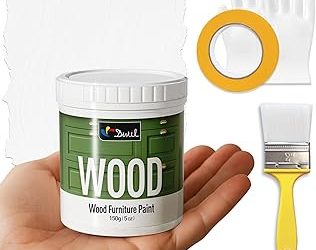
This compact 5-ounce DWIL formula is a practical choice for touch-ups, small dressers, drawer fronts, or a single accent project. Its water-based, non-toxic, odorless positioning makes it comfortable for indoor work, while the matte finish helps disguise minor surface unevenness. Measure your project carefully, since the small container may require multiple units for a full dresser.
Rust-Oleum Chalked All-in-One Spray Paint
Rust-Oleum’s Linen White spray paint is the speed-focused option in this group, with a chalked ultra-matte appearance and one-coat coverage claims. In testing, spray technique matters more than the product name: use light, overlapping passes and allow drying time between coats to reduce runs and uneven texture. It is best for well-ventilated work areas and smaller or moderately detailed pieces.
DWIL Matte Wood Paint with Tools, Ivory White
The 32-ounce DWIL set is better suited to a complete dresser makeover than the smaller container, and the included tools can simplify a first project. Its water-based, low-odor formula is appealing indoors, while the matte ivory shade gives furniture a softer look than stark white. Apply thin coats rather than trying to hide the original surface in one heavy pass.
DWIL Acrylic Wood Paint, Grey Blue
For a color-led update, this semi-gloss grey-blue acrylic paint offers a more wipeable surface than a flat or chalk-style finish. The water-based formulation should be easy to work with, but semi-gloss can highlight dents, brush marks, and poor prep more readily. It is a strong candidate for a clean, contemporary dresser when the surface has been properly smoothed.
White Matte Furniture Paint for Wood and Cabinets
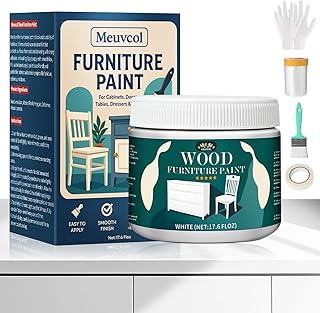
This 17.6-ounce white formula targets straightforward furniture renovation, with a matte finish, low odor, and a no-sanding application claim. It offers a useful middle ground for a small-to-medium dresser, though “no sanding” should be treated as a convenience feature rather than a substitute for degreasing and adhesion testing. Expect the best result with two controlled coats and careful edge work.
Frequently Asked Questions
Do I need to sand a wooden dresser before painting?
Not always. Clean the dresser thoroughly first, then lightly scuff glossy, sealed, or slick surfaces if the paint instructions call for it. Sanding is also useful for removing peeling finish, rough repairs, or deep brush marks.
How many coats of paint does a dresser need?
Most projects need two thin coats, particularly when changing from dark wood to white or ivory. Allow each coat to dry according to the manufacturer’s instructions; rushing recoat times can cause dragging, tackiness, or uneven sheen.
Should I use matte or semi-gloss paint?
Matte is forgiving and gives a contemporary, chalk-like appearance, but it can show handling more readily and may be harder to clean. Semi-gloss is more practical for frequently touched furniture, provided the underlying surface is smooth.
How long should painted furniture cure?
Paint may feel dry within hours but remain vulnerable to scratches and sticking for several days. Reattach hardware gently, avoid loading drawers immediately, and follow the label’s full cure guidance before heavy use.
Final Thoughts
For a small indoor refresh, DWIL Matte Finish Furniture Paint is a convenient starting point; the larger DWIL Ivory White set is the more practical choice for a full dresser. Choose Rust-Oleum Chalked Spray Paint when speed and an ultra-matte look matter most, or DWIL Grey Blue Acrylic Paint when you want a more durable-looking semi-gloss color statement.