Key takeaways
- Protection: Choose a film-forming finish such as water-based polyurethane for stronger resistance to spills and abrasion; oils and waxes generally offer a more natural but less impervious surface.
- Appearance: Satin finishes usually provide a practical middle ground, reducing glare while preserving visible grain. Penetrating oils often deepen color more than clear water-based coatings.
- Application: Check whether the product needs several thin coats, sanding between coats, or extended curing time. A forgiving application process matters on a large tabletop.
- Maintenance: Consider how easily small scratches can be refreshed. Oil and wax systems can often be renewed locally, while damaged film finishes may require more preparation.
- Use and safety: Follow the label’s curing instructions, ventilation guidance, and food-contact claims. “Food safe” does not mean a newly applied finish is ready for immediate table use.
What's inside
Choosing a finish for a wooden dining table is less straightforward than picking a sheen from a label. The surface must cope with spilled drinks, warm plates, frequent wiping, and the occasional scrape from cutlery, while still looking natural under everyday light. A finish that works beautifully on a side table may feel too delicate, glossy, or difficult to repair on a dining surface.
From a home-appliance and household-products testing perspective, the most useful comparison comes down to application effort, curing behavior, water resistance, repairability, and how the finish changes the wood’s appearance. This guide covers protective coatings, penetrating oils, hard-wax products, and maintenance polishes so you can match the product to your table, routine, and preferred look.
As an Amazon Associate we earn from qualifying purchases.


How to Choose a/an Finish For Wooden Dining Table (2026)
- Protection: Choose a film-forming finish such as water-based polyurethane for stronger resistance to spills and abrasion; oils and waxes generally offer a more natural but less impervious surface.
- Appearance: Satin finishes usually provide a practical middle ground, reducing glare while preserving visible grain. Penetrating oils often deepen color more than clear water-based coatings.
- Application: Check whether the product needs several thin coats, sanding between coats, or extended curing time. A forgiving application process matters on a large tabletop.
- Maintenance: Consider how easily small scratches can be refreshed. Oil and wax systems can often be renewed locally, while damaged film finishes may require more preparation.
- Use and safety: Follow the label’s curing instructions, ventilation guidance, and food-contact claims. “Food safe” does not mean a newly applied finish is ready for immediate table use.
The Best Finish For Wooden Dining Table (2026)s Reviewed
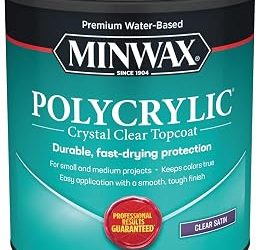
Minwax Polycrylic Protective Finish, Satin
This water-based clear finish is a practical choice when spill resistance and a relatively low-odor application are priorities. Its satin sheen suits most dining rooms, and the quart size is useful for larger tables or multiple coats; apply thinly and allow proper drying between coats to reduce brush marks and clouding.
64 OZ 100% Pure Tung Oil
Pure tung oil is appealing for owners who want the grain to remain prominent and the surface to feel less plasticky than a conventional coating. It requires patience, careful wiping, and multiple applications, but it can be a strong fit for unfinished hardwood when a penetrating, repairable finish is preferred.
Gilboys Hard Wax Oil
This all-natural hard-wax oil is designed for interior wood surfaces including worktops and dining tables, combining oil penetration with a more protective wax component. It is worth considering for a low-sheen, tactile finish, although coverage, drying conditions, and careful surface preparation will have a major effect on the result.
Tried & True Original Wood Finish
The linseed-oil and beeswax blend provides a traditional, understated finish for bare wood and is marketed as food-safe and non-toxic once properly cured. It is best suited to buyers who value a natural appearance and straightforward renewal over maximum resistance to standing water or heavy abrasion.
Howard Feed-N-Wax Beeswax Wood Polish
Feed-N-Wax is primarily a conditioner and polish rather than a standalone protective finish for an unsealed dining table. It can refresh the appearance of an already finished surface, add a soft sheen, and help maintain dry-looking wood, but it should not be treated as a substitute for a cured topcoat.
Frequently Asked Questions
What is the best overall finish for a wooden dining table?
For most households, a satin water-based protective finish offers the best balance of spill resistance, appearance, and everyday practicality. A hard-wax oil or tung oil is better if you prefer a more natural feel and accept more hands-on maintenance.
Should I use wax on a dining table?
Wax can be useful as a maintenance product over a compatible cured finish, but it is rarely the best sole defense against frequent spills and heat. Always check compatibility, since wax can complicate later refinishing or recoating.
How many coats should a wooden dining table receive?
The correct number depends on the product and the wood, so the label should take priority. In testing terms, several thin, even coats generally produce a more consistent result than one heavy coat, provided each layer is allowed to dry or cure as directed.
Can I use a newly finished table immediately?
No. Dry to the touch is not the same as fully cured. Keep the table free from heavy use, moisture, heat, and table linens that could trap solvents until the manufacturer’s stated curing period has passed.
Final Thoughts
For dependable everyday protection, Minwax Polycrylic Protective Finish in Satin is the strongest all-round starting point. Choose Gilboys Hard Wax Oil for a natural, premium-feeling surface, or 64 OZ Pure Tung Oil when deep grain enhancement and future refreshability matter more than quick completion.