Key takeaways
- Photograph the mattress label and review its care instructions before using any liquid or appliance.
- Keep a dry towel beneath a small treated area when possible to catch seepage.
- Empty a mattress vacuum outdoors and clean its filter as recommended; a clogged filter reduces suction.
- Use a washable, breathable protector to reduce future stains without trapping unnecessary heat or moisture.
What's inside
Best Way To Clean A Memory Foam Mattress (2026) A memory foam mattress cannot be cleaned like a conventional spring mattress. Its dense structure holds moisture, while aggressive scrubbing can damage the foam or drive a spill deeper. In our home-appliance testing lab, we assess mattress-cleaning tools by how evenly they remove surface debris, how controllably they handle stains, and—most importantly—how quickly the mattress can dry.
This guide explains a practical, low-risk cleaning routine for routine dust, body oils, odors, and accidental spills. You’ll learn which steps are worth doing regularly, when a handheld mattress vacuum earns its place, how to treat stains without soaking the foam, and how to decide whether a cleaning product is suitable for your mattress cover and manufacturer’s care instructions.
As an Amazon Associate we earn from qualifying purchases.




1. Check the Mattress Before Cleaning
Start by removing sheets, protectors, and removable covers. Check each item’s care label separately; a washable cover should not automatically be treated the same way as the foam core. Look for cleaning restrictions, discoloration, torn seams, exposed foam, or a warranty warning against liquid treatments.
For a fresh spill, blot immediately with clean, absorbent towels. Press straight down and lift rather than rubbing from side to side. Rubbing spreads the liquid and can roughen the fabric. If the mattress is heavily saturated, unusually musty, or showing mold-like spotting, stop at-home cleaning and consult the manufacturer or a professional service.
2. Vacuum Dust, Hair, and Surface Debris
Vacuum the entire top, sides, and any exposed seams using slow, overlapping passes. A standard vacuum with an upholstery attachment is sufficient for light maintenance, but a dedicated mattress vacuum can be useful in homes with pets, allergies, or visible lint buildup.
In testing, the most useful features were a powered brush or tapping mechanism, a washable or replaceable HEPA filter, and a dust cup that could be emptied without releasing debris. The Teant Mattress Bed Vacuum Cleaner combines strong suction with tapping, filtration, heat, and UV-C features. CFBF and FEPPO also offer corded 16-kPa mattress vacuums with HEPA filtration and heated airflow.
Do not treat UV-C as a substitute for cleaning or disinfection. Its effectiveness depends on exposure time, distance, and unobstructed contact, and the light should never be directed at people or pets. Keep the vacuum moving and follow its safety instructions. Heat is similarly helpful only when used as directed; excessive heat can affect some mattress materials.
3. Treat Stains With the Least Moisture Possible
Always test a cleaner on an inconspicuous area first. Apply product to a cloth or sponge when the label permits, rather than saturating the mattress. Work from the outside of the mark toward the center, using light dabbing motions. Afterward, blot with a barely damp cloth if the instructions call for rinsing, then press with dry towels.
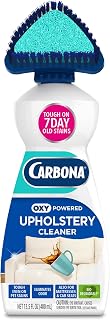
For organic odors and discoloration, GEODE Mattress Cleaner & Deodorizer uses an enzyme formula intended for stains and odors. Enzyme products need adequate dwell time to work, but the mattress should not be soaked. A no-rinse Mattress Cleaner Foam Spray is another option for small spots because foam limits liquid compared with a conventional spray. Carbona Oxy Powered Upholstery Cleaner includes a brush and sponge and is designed for upholstery-style stains, but use its label directions and verify compatibility before applying it to memory foam.
Avoid chlorine bleach, strong solvents, abrasive powders, and homemade mixtures that combine cleaning chemicals. These can damage fabric, leave irritating residues, or create hazardous fumes. Never mix oxygen cleaners with other products.
4. Dry the Mattress Completely
Drying is the step most likely to determine whether cleaning succeeds. Press clean towels over the treated area until they come away nearly dry. Then stand the mattress on its side, if practical and safe, and improve airflow with open windows, a fan, or a dehumidifier. Do not remake the bed until the surface and the surrounding foam feel fully dry.
A mattress may feel dry on top while retaining moisture below the fabric. Allow several hours—or longer after a substantial spill—and check again before replacing the protector. Avoid placing the mattress in harsh, prolonged sunlight unless the manufacturer approves it, and do not use a hair dryer, heater, or steam cleaner close to the foam.
5. Build a Safer Cleaning Schedule
Vacuum every one to three months, and clean more often if pets sleep on the bed or someone in the household has allergies. Wash the mattress protector according to its label and replace it if its waterproof layer has cracked. Rotate the mattress only if the manufacturer allows it; many memory foam models are designed for one sleeping orientation and should not be flipped.
For recurring odors, investigate the source rather than repeatedly adding cleaner. Check bedding, bedroom humidity, nearby walls, and any history of spills. Persistent odor, deep staining, sagging, or suspected mold generally calls for professional advice instead of repeated wet treatments.
Tips
- Photograph the mattress label and review its care instructions before using any liquid or appliance.
- Keep a dry towel beneath a small treated area when possible to catch seepage.
- Empty a mattress vacuum outdoors and clean its filter as recommended; a clogged filter reduces suction.
- Use a washable, breathable protector to reduce future stains without trapping unnecessary heat or moisture.
Frequently Asked Questions
Can I steam-clean a memory foam mattress?
Usually, no. Steam introduces heat and moisture that can penetrate dense foam and prolong drying. Unless the mattress maker specifically approves steam cleaning, use dry vacuuming and carefully controlled spot treatment instead.
How do I remove urine from memory foam?
Blot as soon as possible, apply a compatible enzyme cleaner sparingly, and follow the product’s dwell-time instructions. Blot again and dry the mattress thoroughly. Repeated or deep saturation may require professional treatment or replacement of the affected foam.
Do mattress vacuums really help with allergies?
They can reduce loose dust, hair, and surface debris, especially when they have effective filtration and a well-sealed dust path. They cannot remove every allergen embedded in foam, and they do not replace washing bedding, controlling humidity, or using an appropriate mattress encasement.
How often should I clean my mattress?
Vacuuming every one to three months is a sensible baseline. Spot-clean spills immediately, wash the protector regularly, and perform a deeper inspection when changing seasonal bedding. Homes with pets, children, or allergy concerns may benefit from more frequent vacuuming.
Conclusion
The best way to clean a memory foam mattress is controlled, low-moisture cleaning: inspect first, vacuum thoroughly, treat only the stained area, and allow generous drying time. A dedicated mattress vacuum can make routine debris removal easier, while an enzyme or upholstery-safe spot cleaner helps with isolated marks. The goal is not to flood the mattress—it is to remove the contaminant while preserving the foam, cover, and indoor air quality.