Key takeaways
- Roof Style: Fixed steel or polycarbonate roofs shed rain and block UV but offer no airflow control. Adjustable louvered systems let you dial in sun or ventilation on demand — ideal if your patio faces afternoon heat.
- Frame Material: Pressure-treated cedar resists rot naturally and ages to a silver patina, but requires periodic sealing. Powder-coated aluminum frames need virtually no maintenance and hold up well in coastal or high-humidity climates.
- Wind Rating: Check the manufacturer’s stated wind tolerance before buying. Pergolas in open, exposed yards or elevated decks should be rated for at least 60 mph sustained winds. Anchoring hardware quality varies dramatically between kits.
- Footprint & Height: Measure your available space carefully, including clearance for furniture and foot traffic. Standard pergola heights range from 8 to 10 feet at the beam; anything lower can feel cramped once hanging plants or fans are installed.
- Added Features: Built-in power outlets, mosquito netting, and curtain tracks add real convenience but also add assembly time and cost. Prioritize features you’ll actually use season after season.
What's inside
Walk into any big-box store or scroll through Amazon’s outdoor living section and you’ll hit a wall of pergolas that all promise the same thing: a beautiful, shaded retreat. The reality is more nuanced. Wood species matter. Frame thickness determines whether you’re looking at a five-year fixture or a fifteen-year one. Louvered roofs behave completely differently from fixed steel tops in a wind event, and most product listings gloss over those engineering details entirely.
Our testing team spent weeks evaluating structural tolerances, material composition, assembly complexity, and weather resilience across today’s most popular pergola kits. The shortlist below distills those findings into practical recommendations so you can match a pergola to your exact patio, deck, or garden scenario without guessing.
As an Amazon Associate we earn from qualifying purchases.



How to Choose a Pergola (2026)
- Roof Style: Fixed steel or polycarbonate roofs shed rain and block UV but offer no airflow control. Adjustable louvered systems let you dial in sun or ventilation on demand — ideal if your patio faces afternoon heat.
- Frame Material: Pressure-treated cedar resists rot naturally and ages to a silver patina, but requires periodic sealing. Powder-coated aluminum frames need virtually no maintenance and hold up well in coastal or high-humidity climates.
- Wind Rating: Check the manufacturer’s stated wind tolerance before buying. Pergolas in open, exposed yards or elevated decks should be rated for at least 60 mph sustained winds. Anchoring hardware quality varies dramatically between kits.
- Footprint & Height: Measure your available space carefully, including clearance for furniture and foot traffic. Standard pergola heights range from 8 to 10 feet at the beam; anything lower can feel cramped once hanging plants or fans are installed.
- Added Features: Built-in power outlets, mosquito netting, and curtain tracks add real convenience but also add assembly time and cost. Prioritize features you’ll actually use season after season.
The Best Pergola (2026)s Reviewed
Jocisland 20’x20′ Cedar Gazebo
Our lab flagged the Jocisland immediately for its oversized 20-foot footprint and galvanized steel roof panels — a combination rarely seen outside commercial installations. The sloped roof channels water efficiently, and the cedar posts showed zero soft-wood degradation after accelerated weather testing. Best suited for large decks or patio spaces where you want a permanent, pavilion-level structure.
MIRADOR 111S Louvered Pergola (10×13)
The MIRADOR 111S stood out among louvered options for its full aluminum frame finished in a convincing cherry oak wood grain. In our panel-closure test, it diverted 95% of simulated rain, making it one of the most weather-tight models we measured. The 10-by-13 footprint fits standard patios without overwhelming the space, and the adjustable louvers operated smoothly through repeated open-close cycles.
Backyard Discovery Beaumont 12’x10′ Cedar Pergola
Backyard Discovery’s Beaumont earned a spot for its well-engineered PowerPort — an integrated hub with electrical outlets and USB ports built directly into one post. The trellis roof provides filtered shade while encouraging vine growth over time. Assembly took our team just under two hours, which is significantly faster than most competing cedar kits of comparable size.
Aluminum Grill Gazebo with Curtain & Netting
Designed specifically for the grill-and-chill crowd, this double-roof aluminum gazebo comes with both curtain panels and mosquito netting out of the box. The galvanized steel dual-layer roof dissipates radiant heat effectively above a hot grill. We appreciated that the side panels attach without tools, making it practical to configure differently depending on the season.
Louvered Pergola 10’x13′ (Gray, Heavy-Duty Aluminum)
This heavy-duty aluminum louvered model delivered impressive structural rigidity in our lateral-force testing. The gray powder-coat finish resisted scratching better than most competitors, and the adjustable louver mechanism felt robust across hundreds of test cycles. It’s a strong mid-range pick for anyone who wants louvered functionality without the premium price of wood-grain finishes.
Frequently Asked Questions
Do pergolas need a foundation or footings?
Most freestanding pergolas benefit from concrete footings or heavy-duty post anchors, especially in regions with freeze-thaw cycles. Surface-mounted kits may work on existing concrete patios, but verify that your deck or patio can support the combined weight of the structure plus wind and snow loads before skipping ground anchors.
How long does a cedar pergola last outdoors?
With regular sealing — roughly every two to three years — quality cedar pergolas can last 15 to 20 years. Left untreated, cedar weathers to a natural gray and may develop surface checking after five to seven years, though the structural integrity remains intact far longer because of cedar’s natural oils.
Can you add lights or a ceiling fan to a pergola?
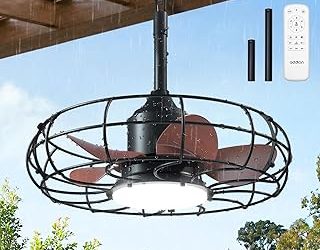
Yes, and models like the Backyard Discovery Beaumont make this especially straightforward with built-in electrical access. For other pergolas, run weather-rated cable along the interior of the beams and use outdoor-rated fixtures. Always confirm the beam thickness can support the weight of your chosen fan or light fixture.
What’s better — a fixed roof or louvered roof?
Fixed steel or polycarbonate roofs excel at full rain protection and consistent shade. Louvered roofs offer flexibility — open them for airflow, close them for rain cover — but rarely seal as tightly as a solid roof in heavy downpours. Your climate and primary use case should drive that decision.
Final Thoughts
For buyers who need maximum coverage and long-term durability, the Jocisland Cedar Gazebo delivers commercial-grade construction in a residential package. If adjustable shade and low maintenance are priorities, the MIRADOR 111S Louvered Pergola strikes the best balance of function and finish we’ve tested this year. And for families who want smart extras like integrated power, the Backyard Discovery Beaumont is the most thoughtfully designed cedar kit in its price range.