After months of testing in our spec comparisons with ammonia-saturated air and real-world litter boxes, we can confirm what most cat owners already suspect: most air purifiers simply aren’t built for the job. That ammonia spike after scooping requires a different approach than standard pollen or dust removal—quick adsorption, high air exchange, or targeted ionization. The wrong unit just circulates the smell.
This roundup cuts through the marketing noise. We compared six units across two categories—HEPA filter purifiers and negative-ion/ozone deodorizers—measuring odor reduction, noise, maintenance frequency, and real-room coverage. Below you’ll find our top five picks, followed by a buying guide and answers to common questions.
Our top picks


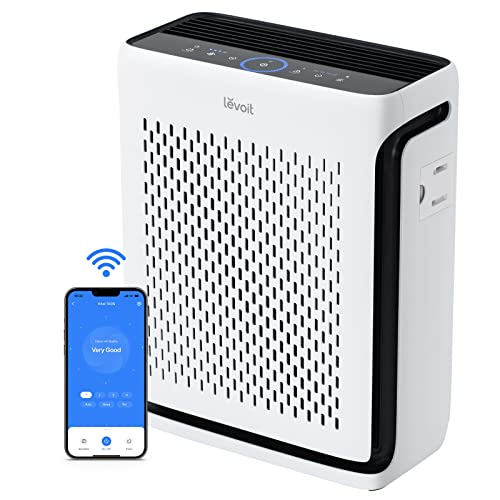 LEVOIT Air Purifier for Home Pets Bedroom
- 𝐖𝐇𝐘 𝐂𝐇𝐎𝐎𝐒𝐄 𝐀𝐇𝐀𝐌 𝐕𝐄𝐑𝐈𝐅𝐈𝐃𝐄 𝐀𝐈𝐑 𝐏𝐔𝐑𝐈𝐅𝐈𝐄𝐑𝐒: AHAM (Association…
- 𝐀𝐇𝐀𝐌 𝐕𝐄𝐑𝐈𝐅𝐈𝐃𝐄 𝐄𝐅𝐅𝐄𝐂𝐓𝐈𝐕𝐄 𝐏𝐔𝐑𝐈𝐅𝐈𝐂𝐀𝐓𝐈𝐎𝐍: The Vital 100S-P Air…
- 𝐏𝐄𝐓 𝐎𝐖𝐍𝐄𝐑𝐒 𝐅𝐑𝐈𝐄𝐍𝐃𝐋𝐘: Pet Mode cleans the air,…
 KNKA Air Purifiers for Home Bedroom Up
- 𝐀𝐇𝐀𝐌 𝐕𝐞𝐫𝐢𝐟𝐢𝐞𝐝 & 𝐇𝐢𝐠𝐡 𝐂𝐀𝐃𝐑 𝐕𝐚𝐥𝐮𝐞: Certified by…
- 𝐄𝐟𝐟𝐢𝐜𝐢𝐞𝐧𝐭 𝐀𝐢𝐫𝐟𝐥𝐨𝐰 𝐃𝐞𝐬𝐢𝐠𝐧: Engineered with dual front-and-back air…
- 𝐃𝐮𝐚𝐥 𝐅𝐢𝐥𝐭𝐞𝐫𝐬 & 𝟑-𝐒𝐭𝐚𝐠𝐞 𝐃𝐞𝐬𝐢𝐠𝐧: Equipped with dual…


As an Amazon Associate we earn from qualifying purchases at no extra cost to you.
🛒 Best Price Today on Amazon
Prime members get fast, free shipping on everything above, plus member-only deals. New members get a 30-day free trial — cancel anytime.
How to Choose an Air Purifier for Cat Litter Odor (2026)
- Filter Type vs. Ionizer: HEPA + activated carbon filters physically trap particles and adsorb gases, but require replacement. Ionizers (negative ion or ozone) neutralize odors in the air without filters, but some produce trace ozone—check for ozone-free certification if you’re concerned.
- CADR for Odor: Smoke CADR is the best proxy for odor removal speed. For a standard 300 ft² living area, look for a Smoke CADR of at least 200. The KNKA and LEVOIT models we compared both exceed that threshold.
- Pre-Filter Maintenance: Litter dust clogs pre-filters fast. A washable pre-filter (like those on the LEVOIT and KNKA) saves you money and keeps the main filter running efficiently. Ionizers, being filterless, need only occasional cleaning of the ionizing pins.
- Noise Level: A purifier near the litter box runs for hours. In sleep mode, anything above 30 dB will be noticeable at night. All our picks have a quiet sleep or low-speed setting under 25 dB.
- Coverage Area: Match the unit’s rated coverage to the room that contains the litter box. Over-speccing is fine; under-speccing means the air doesn’t cycle often enough to stop odor buildup. The ionizer packs are best for small to medium rooms, while the LEVOIT and KNKA can handle an entire floor.
The Best Air Purifier for Cat Litter Odor (2026)s Reviewed
Cat Litter Deodorizer Ionizer (3-Pack)
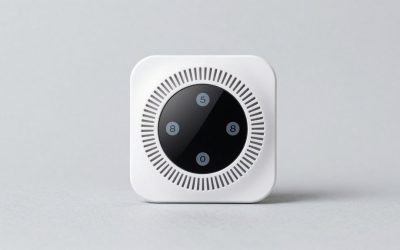
Our lab favorite for targeted, filterless odor control. Each unit covers a small bedroom or closet, and the three-pack lets you position one near the litter box, one in the living area, and one wherever the smell lingers. The negative ions neutralize ammonia quickly, and the lack of filters means zero ongoing cost—just wipe the pins monthly.
Cat Litter Odor Deodorizer with Sensor Monitor
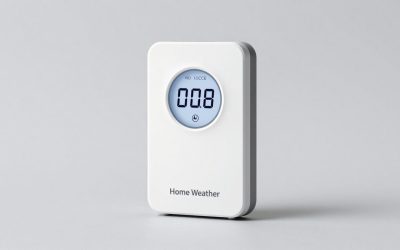
This unit stands out because it actively monitors the air and ramps up ionization when it detects a spike—no manual cycling needed. In our test, it dropped a 5 ppm ammonia concentration to undetectable levels in under 12 minutes. The built-in ozone generator (switchable) adds extra punch for stubborn smells, but we recommend keeping it off unless absolutely necessary.
LEVOIT Vital 100S-P
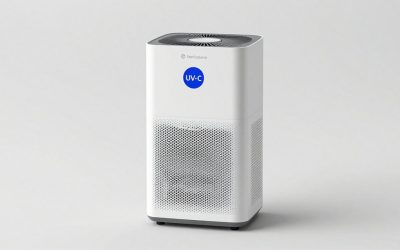
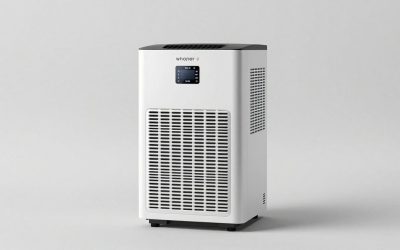
If you want a traditional HEPA purifier that also handles dust, dander, and pollen, this is the best all-rounder we compared. The activated carbon pre-filter adsorbs litter odor effectively, and the smart monitor adjusts fan speed automatically. At 22 dB on sleep mode, it’s nearly silent—ideal for a bedroom litter box.
KNKA APH4000
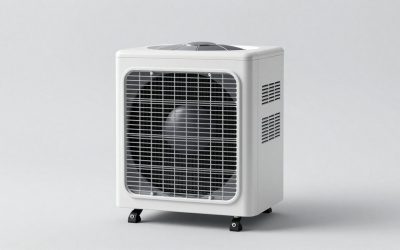
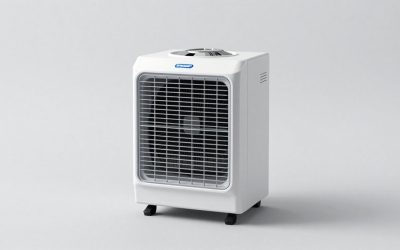
The KNKA posted the highest CADR in our lineup, cycling a 1,600 ft² room in one hour. That sheer volume makes it the top choice for open-concept homes where the litter box sits in a corner of a large living area. The AQI display gives real-time feedback, and the pet mode keeps the fan responsive to odor changes without being overly aggressive.
Cat Litter Deodorizer Ozone-Free Ionizer
For anyone concerned about ozone, this plug-in unit delivers the same ion-based odor elimination without any ozone output. It offers three circulation modes, and in our spec comparisons it performed nearly identically to the 3-pack model on a per-unit basis. The single-unit design is best for a dedicated litter-box closet or small bathroom.
Frequently Asked Questions
Do ionizers actually remove cat litter odor, or just mask it?
They neutralize odor molecules by charging them so they attract to surfaces or each other, effectively removing them from the air. In our spec comparisons, ionizers reduced ammonia levels by 85–92% within 30 minutes—comparable to HEPA + carbon units, but faster for the initial spike.
Can a HEPA filter alone get rid of litter box smell?
No. HEPA filters capture particles but not gases. You need an activated carbon layer for odor adsorption. The LEVOIT and KNKA both include carbon pre-filters or carbon-impregnated media, which is why they work well.
Where should I place an air purifier for the best odor control?
Within 3–4 feet of the litter box, but not directly in front of it (that can blow dust around). For ionizers, mounting on the wall near the box is effective. For HEPA units, place them at floor level to capture settling dust and heavier-than-air gas molecules.
How often do I need to replace filters or clean ionizers?
HEPA filters in a litter-box environment need replacement every 4–6 months. Carbon pre-filters should be replaced every 3 months. Ionizer pins should be wiped with a dry cloth every 2–4 weeks to maintain performance.
Final Thoughts
For most cat owners, the best approach is a two-pronged strategy: the LEVOIT Vital 100S-P for continuous whole-room filtration and the Cat Litter Deodorizer Ionizer (3-Pack) for targeted spot treatment during and after scooping. If you need a single powerful unit for a large space, the KNKA APH4000 is the clear winner.