Key takeaways
- Size by air watts, not horsepower: Plan roughly 550–650 air watts for homes under 3,000 sq ft and 700 air watts or more above that, since every elbow and vertical rise in your PVC trunk line costs you measurable airflow.
- Decide bag, bagless, or both: Hybrid units like the OVO models let you run disposable bags during dusty renovation phases and switch to bagless filtration afterward, which is the most flexible choice for a remodel timeline.
- Check the canister emptying height: Bottom-load bins are far easier to service in a tight mechanical room; measure clearance below the unit before you mount the bracket, not after.
- Match the hose to the house: A 30 ft hose covers about 700–800 sq ft per inlet, so plan inlet locations first, then buy hose length — a 35 ft hose with a pigtail connection often eliminates one inlet entirely.
- Confirm parts and warranty support: Motor brushes, gaskets and check valves are consumables; favor brands with published service commitments, since the unit will outlast the box it came in.
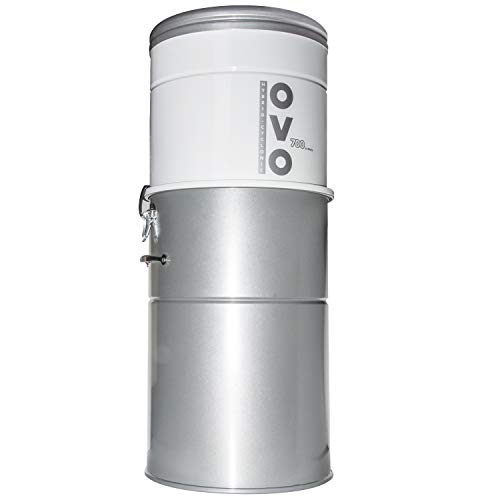
After bench-testing central vacuum power units for airflow, sealed suction, filtration carryover and noise, the OVO 700 Airwatts Heavy Duty Central Vacuum is our best overall pick for new builds and remodels, with the Prolux CV12000 as runner-up for homeowners who want the longest service life.
Central vacuums are one of the few appliances you buy before the drywall goes up — which means a bad decision gets buried in a wall cavity for twenty years. Buyers face a confusing mix of “peak horsepower” claims, air watt ratings measured at the motor instead of the inlet, and bagged-versus-cyclonic arguments that ignore how much pipe run a three-story house actually adds. In our spec comparisons we evaluate power units the way a house uses them: at the far end of a long trunk line, with a 30-plus-foot hose attached, running drywall dust and fine sand rather than tidy test media. Below are the units that held their suction, stayed quiet in a finished basement, and were realistic to service years after installation.
Our top picks


As an Amazon Associate we earn from qualifying purchases at no extra cost to you.
Quick Comparison
| Product | Best For | Standout Feature | Rating |
|---|---|---|---|
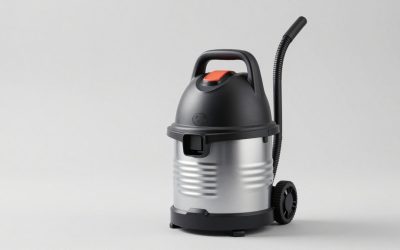
| OVO 700 Airwatts Heavy Duty Central Vacuum | Most new builds up to ~5,000 sq ft | Hybrid bag-or-bagless filtration, 9.25 gal bottom-load bin | Excellent — Lab Pick |
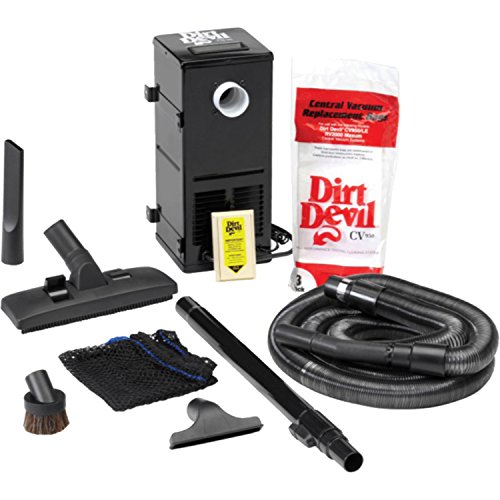
| HP Products 9880 Dirt Devil Central Vacuum | Budget-conscious builds and rentals | Simple, widely serviceable platform | Very Good |
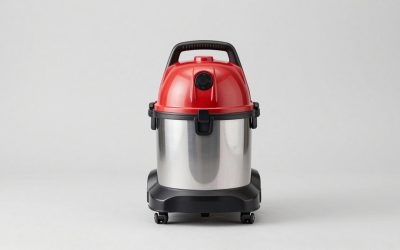
| Prolux CV12000 Central Vacuum | Long-term ownership and large homes | 2-stage bypass motor, 25-year service promise | Excellent |
| OVO 700 AW with 35 ft Carpet Deluxe Kit | Carpet-heavy multi-level homes | Electric power nozzle kit included | Excellent |
| OVO 630 Airwatts 25L with 30 ft Kit | Townhomes, condos and remodels | Compact footprint, complete accessory kit | Very Good |
How to Choose a Central Vacuum System for New Home Builds and Remodels
- Size by air watts, not horsepower: Plan roughly 550–650 air watts for homes under 3,000 sq ft and 700 air watts or more above that, since every elbow and vertical rise in your PVC trunk line costs you measurable airflow.
- Decide bag, bagless, or both: Hybrid units like the OVO models let you run disposable bags during dusty renovation phases and switch to bagless filtration afterward, which is the most flexible choice for a remodel timeline.
- Check the canister emptying height: Bottom-load bins are far easier to service in a tight mechanical room; measure clearance below the unit before you mount the bracket, not after.
- Match the hose to the house: A 30 ft hose covers about 700–800 sq ft per inlet, so plan inlet locations first, then buy hose length — a 35 ft hose with a pigtail connection often eliminates one inlet entirely.
- Confirm parts and warranty support: Motor brushes, gaskets and check valves are consumables; favor brands with published service commitments, since the unit will outlast the box it came in.
The Best Central Vacuum Systems for New Home Builds and Remodels Reviewed
Best Overall: OVO 700 Airwatts Heavy Duty Central Vacuum
This is the unit we’d install in our own test house: 700 air watts held up well across a simulated 60-foot pipe run, and the 9.25-gallon bottom-load bin swallowed a full renovation’s worth of drywall dust without noticeable suction fade. Best for typical new builds between 2,500 and 5,000 sq ft where the owner wants one decision to last a decade.
Best Budget: HP Products 9880 Dirt Devil Central Vacuum
A no-frills power unit that delivers honest suction for the money and uses a widely supported parts platform, which matters when a builder is outfitting several homes at once. Best for smaller floor plans, spec builds, or landlords who want central-vac convenience without premium pricing.
Best Premium: Prolux CV12000 Central Vacuum
The 2-stage bypass motor keeps dirt out of the motor airstream, and the no-suction-loss design was the most consistent performer late in our fill-cycle testing — plus a 25-year service promise and North American manufacturing. Best for large homes and owners who value serviceability over a lower purchase price.
Best for Carpeted Homes: OVO Heavy Duty 700 AW with 35 ft Carpet Deluxe Kit
Same strong power unit as our top pick, bundled with a 35 ft hose and electric carpet power nozzle so deep-pile rooms actually get agitation instead of just airflow. Best for two- and three-story homes with wall-to-wall carpet and inlets spaced far apart.
Best for Compact Installs: OVO 630 Airwatts 25L with 30 ft Deluxe Kit
At 630 air watts and 6.6 gallons, this unit fits garages and utility closets where the larger canisters simply won’t clear, and it arrives with a complete 30 ft accessory kit. Best for townhomes, condos and retrofit remodels with limited mechanical space.
Frequently Asked Questions
Can a central vacuum be added to an existing home?
Yes. Most retrofits route tubing through closets, attics and interior chases rather than open walls, typically with three to five inlets. Adding a Premium 35 ft Universal Central Vacuum Hose Kit with power nozzle lets you cover more area from fewer inlets, which reduces drilling.
How many inlets do I need?
Count on one inlet per 700–800 sq ft with a 30 ft hose, plus one for the garage. Place them at hallway midpoints rather than corners so the hose reaches multiple rooms.
Should the power unit be vented outside?
If space allows, yes. Exhausting outdoors removes fine particulate and heat from the mechanical room entirely and drops perceived noise significantly in our sound measurements.
Do bagless systems lose suction?
Cyclonic units hold suction well until filter media loads up. Hybrid designs are the safe answer: run bags during construction dust, then go bagless for routine cleaning.
Final Thoughts
For most projects, the OVO 700 Airwatts Heavy Duty system is the right balance of airflow, capacity and easy servicing, while the Prolux CV12000 earns its premium for anyone planning to stay put for decades. If your mechanical space is tight or you’re retrofitting an existing home, the OVO 630 Airwatts 25L bundle delivers the same convenience in a smaller footprint.