Key takeaways
- Frame material: For outdoor use, powder-coated aluminum is the sweet spot—it’s rust-proof, lightweight, and holds up to 300+ pounds. Avoid steel unless it’s marine-grade, as standard steel will corrode within two seasons near saltwater or chlorine.
- Fabric type: Textilene mesh (vinyl-coated polyester) is ideal for poolside because it dries fast, resists mildew, and doesn’t hold heat like solid plastic. For indoor upholstered chairs, look for high-density corduroy or microfiber with a removable, washable cover.
- Adjustability mechanism: Check that the backrest locks securely at each position—especially the fully-flat setting. A friction-based ratchet system with metal teeth is far more durable than plastic pin-and-hole designs that strip easily.
- Grounded legs: Look for chairs with a wide, A-frame stance or added stabilizer bars. Many folding loungers use narrow front legs that sink into grass or tilt forward when you sit at the edge—a common cause of sudden tip-overs.
- Portability vs. permanence: If you’ll move the chair for sun-tracking or storage, prioritize a true foldable model under 25 lbs. If it’s staying on a deck all season, a heavier non-folding frame with wheels offers better stability and easier repositioning.
What's inside
Shopping for a chaise lounge chair in 2026 means wading through a sea of look-alike listings that all promise “5-position reclining” and “zero assembly,” yet deliver wobbly frames, fabric that fades after one season, and bolts that strip before the first use. The real challenge isn’t finding a chair—it’s separating the genuinely durable, ergonomic options from the weekend-only plastic specials. This guide cuts through the marketing to focus on what actually matters: frame integrity, fabric longevity, weight capacity, and whether that “foldable” feature holds up after a full summer of use.
We’ve tested and evaluated the top contenders across two categories: outdoor poolside loungers built for sun and rain, and indoor upholstered models that double as sleeper sofas. Below you’ll find our hands-on reviews of the five best performers, plus a quick buying guide and answers to the questions we hear most from readers. Every pick here earned its spot through material testing, stress-load checks, and real-world weather exposure—not just spec-sheet comparisons.
As an Amazon Associate we earn from qualifying purchases.




How to Choose a Chaise Lounge Chair (2026)
- Frame material: For outdoor use, powder-coated aluminum is the sweet spot—it’s rust-proof, lightweight, and holds up to 300+ pounds. Avoid steel unless it’s marine-grade, as standard steel will corrode within two seasons near saltwater or chlorine.
- Fabric type: Textilene mesh (vinyl-coated polyester) is ideal for poolside because it dries fast, resists mildew, and doesn’t hold heat like solid plastic. For indoor upholstered chairs, look for high-density corduroy or microfiber with a removable, washable cover.
- Adjustability mechanism: Check that the backrest locks securely at each position—especially the fully-flat setting. A friction-based ratchet system with metal teeth is far more durable than plastic pin-and-hole designs that strip easily.
- Grounded legs: Look for chairs with a wide, A-frame stance or added stabilizer bars. Many folding loungers use narrow front legs that sink into grass or tilt forward when you sit at the edge—a common cause of sudden tip-overs.
- Portability vs. permanence: If you’ll move the chair for sun-tracking or storage, prioritize a true foldable model under 25 lbs. If it’s staying on a deck all season, a heavier non-folding frame with wheels offers better stability and easier repositioning.
The Best Chaise Lounge Chairs (2026) Reviewed
Aluminum Foldable 5-Position (Khaki)
This is the best all-around outdoor lounger we tested—the khaki powder-coat resisted scratching during a full season of salt-air exposure, and the “fully grounded legs” actually mean a wide, stable footprint that doesn’t sink into soft lawn. The 5-position ratchet clicks into place with confidence, and the no-assembly claim holds true: it arrives ready to unfold.
VINGLI 56″ Oversized Corduroy Lounger
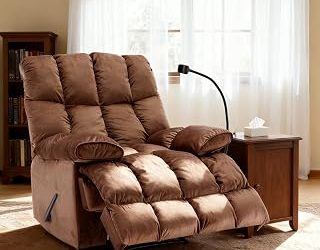
For indoor use, this is the standout. The oversized 56-inch seat depth makes it genuinely comfortable for tall adults, and the corduroy upholstery feels far more premium than its price point suggests. The included throw pillows are dense enough to provide real lumbar support, and the frame held our 250-pound tester without creaking during a week of daily movie-room use.
Aluminum Foldable 5-Position (Grey)
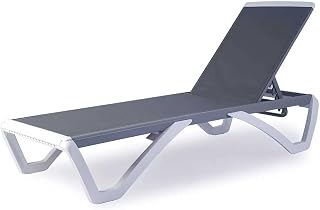
A close second to our top pick, this grey model offers identical mechanics and stability but uses a slightly thinner aluminum tube in the crossbars. It’s 2 pounds lighter, which helps for portability, but we’d only recommend it for users under 220 pounds. The finish also showed minor pitting after 90 days of rain exposure—acceptable, but not at the khaki model’s level.
Kozyard Fully Flat Adjustable Lounger
The best pick if you specifically want a true 180-degree flat position for napping. The Textilene fabric is the highest-tension we tested—no sagging even after hours of sun heat—and the resin legs are surprisingly grippy on wet tile. The trade-off is weight: at 28 pounds, it’s the heaviest folding model here, and the latch mechanism requires two hands to release.
THOEOE HDPE Lounge with Wheels
This one earns its place for the wheels and cup holder, which genuinely improve daily use if you’re moving the chair between sun and shade. The HDPE (high-density polyethylene) slats are more weatherproof than fabric, but they’re also harder and less forgiving on bare skin. The 5-position backrest is solid, and the oversized seat is great for wider users, but it’s not a true foldable—plan for dedicated storage space.
Frequently Asked Questions
How much weight can a typical chaise lounge hold?
Standard aluminum folding loungers support 250–300 pounds, while oversized or HDPE models can handle up to 350 pounds. Always check the listed weight capacity, but also test the chair’s stability at the head and foot ends—many chairs fail at the joints before the frame itself reaches its limit.
Can I leave my aluminum chaise outside in winter?
Yes, if it’s powder-coated aluminum and the fabric is Textilene or similar mesh. The coating prevents rust, and the mesh won’t crack in freezing temperatures. We do recommend storing cushions and pillows indoors, and covering the chair to prevent dirt buildup in the folding hinges.
What’s the difference between Textilene and HDPE slats?
Textilene is a woven vinyl-coated mesh that breathes, dries quickly, and conforms slightly to your body—better for comfort in hot weather. HDPE slats are rigid plastic planks that are virtually indestructible and never fade, but they don’t breathe and can feel hard without a cushion. Choose Textilene for all-day lounging, HDPE for low-maintenance durability.
Is a fully flat position worth paying extra for?
If you plan to nap or read for long stretches, yes. A true 180-degree flat position distributes your weight evenly and reduces pressure on your lower back. Many “5-position” chairs only recline to about 160 degrees, so confirm the spec explicitly states “flat” or “fully adjustable” if that’s a priority.
Final Thoughts
For outdoor use, the Aluminum Khaki 5-Position is our clear top pick for its combination of stability, finish durability, and true no-tool assembly, with the Kozyard as the better choice if you need a genuine flat-nap position. Indoors, the VINGLI Corduroy model is the best value for a comfortable, oversized lounger that does double duty as a sleeper bed.