Key takeaways
- Growth habit: Match the plant’s climbing style to your structure. Wisteria becomes woody and weighty over time, while mandevilla stays lighter and easier to direct on smaller pergolas and side panels.
- Climate fit: Check hardiness before chasing flowers. Warm-zone vines such as mandevilla thrive in heat, while some pergola favorites need a true dormant season or more temperate conditions to perform well.
- Starting format: Live plants usually shorten the wait to coverage, while seeds are cheaper but require more time, steadier care, and greater patience before you see meaningful height or bloom.
- Maintenance level: Fast growers are not automatically low effort. Some vines need disciplined pruning, regular tying-in, and strong support so they do not overrun rafters, gutters, or nearby fencing.
- Outdoor living impact: Think beyond the flowers. Fragrance, leaf density, pollinator appeal, and seasonal drop all affect how pleasant the pergola feels over a dining set, grill station, or lounge area.
What's inside
Choosing a pergola climber sounds simple until you compare what actually arrives: rooted live plants versus seed packs, fast twining vines versus heavy woody growers, and bloomers that look spectacular for six weeks but do very little the rest of the season. From a home-appliance testing lab perspective, the challenge feels familiar: headline performance is easy to advertise, while long-term behavior under real conditions is what separates a smart buy from a frustrating one. With pergola plants, that means balancing vigor, weight, fragrance, training needs, climate fit, and the patience each option demands.
This guide focuses on climbing plants sold in beginner-friendly formats that suit pergolas, trellises, and adjacent outdoor living areas. We looked at growth habit, maintenance load, likely flowering payoff, and how well each option matches the structure most homeowners actually have in the backyard. If you want quick shade, dramatic spring bloom, or a scented softer look around seating zones, these picks cover the main buying paths without overcomplicating the decision.
As an Amazon Associate we earn from qualifying purchases.




How to Choose a Climbing Plants For A Pergola (2026)
- Growth habit: Match the plant’s climbing style to your structure. Wisteria becomes woody and weighty over time, while mandevilla stays lighter and easier to direct on smaller pergolas and side panels.
- Climate fit: Check hardiness before chasing flowers. Warm-zone vines such as mandevilla thrive in heat, while some pergola favorites need a true dormant season or more temperate conditions to perform well.
- Starting format: Live plants usually shorten the wait to coverage, while seeds are cheaper but require more time, steadier care, and greater patience before you see meaningful height or bloom.
- Maintenance level: Fast growers are not automatically low effort. Some vines need disciplined pruning, regular tying-in, and strong support so they do not overrun rafters, gutters, or nearby fencing.
- Outdoor living impact: Think beyond the flowers. Fragrance, leaf density, pollinator appeal, and seasonal drop all affect how pleasant the pergola feels over a dining set, grill station, or lounge area.
The Best Climbing Plants For A Pergola (2026)s Reviewed
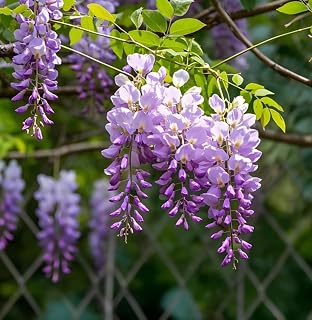
3 Wisteria Live Plants
This three-pack is the strongest fit for buyers who want a classic pergola statement plant with serious long-run presence. In our value-minded view, getting multiple young wisterias makes it easier to train coverage evenly across posts or side spans, but only if the pergola is sturdy enough for a mature woody vine.
Blue Wisteria Live Plant
The Blue Wisteria in a 2.5-inch pot is a more measured starting point for gardeners who want to test placement before committing to several vines. It is a sensible choice for smaller landscapes, though the smaller starter size means slower early visual payoff compared with multi-plant bundles.
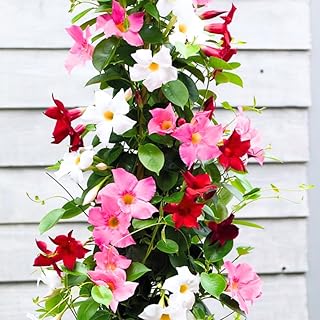
3 Mixed Mandevilla Live Plants
For warm climates and patio-centered pergolas, this mixed mandevilla set is the easiest way to add long-blooming color without the heavier framework demands of wisteria. It behaves more like a decorative summer performer than a structural takeover vine, which makes it appealing for container growing near decks and seating areas.
Climbing Jasmine Seeds
This climbing jasmine seed pack is the budget route and the fragrance-first option, especially for homeowners designing a pergola as a sensory retreat. The trade-off is time: seeds ask for more hands-on propagation effort and a longer runway before the pergola starts looking intentionally dressed.
2 Wisteria Live Plants
The two-pack of live wisteria is a practical middle ground if you want the same dramatic species without buying more plants than the pergola can reasonably host. It suits narrower structures, entry pergolas, or gardeners who prefer to let each vine develop with more spacing and easier pruning access.
Frequently Asked Questions
Which climbing plant grows fastest on a pergola?
Wisteria is usually the headline grower once established, but “fast” comes with a maintenance asterisk. It can put on vigorous extension growth and eventually become quite heavy, so speed is only an advantage if your support structure and pruning routine are ready for it.
Is wisteria too heavy for a backyard pergola?
It can be. Mature wisteria develops woody stems and significant mass, so lightweight decorative pergolas are often a poor match. If the structure is modest, lighter vines such as mandevilla are generally easier to manage and less likely to create long-term strain.
Should I buy seeds or live plants for pergola coverage?
Live plants are the better choice if you want reliable early progress and a clearer sense of placement. Seeds cost less upfront, but they extend the timeline and add uncertainty, which matters if the pergola currently feels bare and you want results within a season or two.
What is the easiest pergola climber for a polished patio look?
Mandevilla is often the simplest answer for warm regions because it offers a long bloom window, trains readily, and stays more manageable around outdoor furniture. For a more traditional romantic canopy, wisteria is stunning, but it demands stronger support and more assertive upkeep.
Final Thoughts
If you want the most dramatic long-term pergola cover, the 3 Wisteria Live Plants set is the standout pick. For warmer patios where color and manageability matter most, the 3 Mixed Mandevilla Live Plants are an excellent alternative. If you prefer a smaller commitment with classic appeal, the 2 Wisteria Live Plants bundle is the most balanced starting point.