Our Top Picks
 Waykar 34 Pints 2025 Most Efficient Energy StarDrain Hose10.87 x 8.39 x 19.3 inches22.05 PoundsCheck on Amazon
 ALORAIR Air Drying System Mat X-Force Rescue Mat13.9×13.3×12.2 in45.7 x 7.8 x 32.3 InchesCheck on Amazon
 KNKA Energy Star 5500 Sq.Ft Dehumidifier for BasementMAX 80 Pints11.14 x 14.17 x 20.87 inches5.5 poundsCheck on Amazon
 KNKA 2500 Ft² Max 34 Pints Dehumidifier forMAX 34 Pints13.23 x 10.31 x 20.87 Inches17.6 PoundsCheck on Amazon
Wood floors rarely fail in one dramatic event. More often the edges of the boards lift a little each August, the seams open each January, and one day the room looks different from the way it did the year you moved in. The best dehumidifier for wood floors is therefore not the one with the biggest number on the box. It is a mid-capacity compressor unit that can hold the whole room inside a steady humidity band, with a drain hose or a generous tank so it does not quit halfway through a humid week.
Among the eight listings below, the Waykar 34-pint is the balanced pick for a typical room or open floor, the KNKA 34-pint is a close mid-range alternative with a drain hose, the two 80-pint models suit large or humid homes, and the small tank units are for closets and bedrooms. One entry, the ALORAIR mat, is a different tool altogether, a floor-drying system for after water damage, and it is included so you know where it fits rather than because it competes with the rest.
The Editorial team compiled this guide from published specifications, manufacturer documentation and buyer reviews. Flooring advice here is general guidance. The maker of your boards sets the rules for humidity, and that sheet beats anything on this page.
Eight options in one table
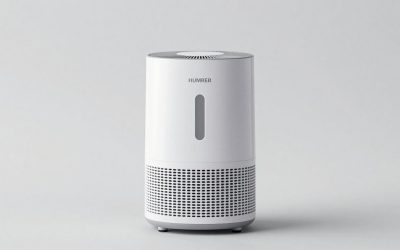
Waykar 34 Pints 2025 Most Efficient Energy Star Dehumidifier for Home & Basement, Ideal for Spaces up to 2,000 Sq. Ft. with Auto or Manual Drainage, 0.62-Gallon Water Tank
One of the moisture-control product options compared in this guide.
View on Amazon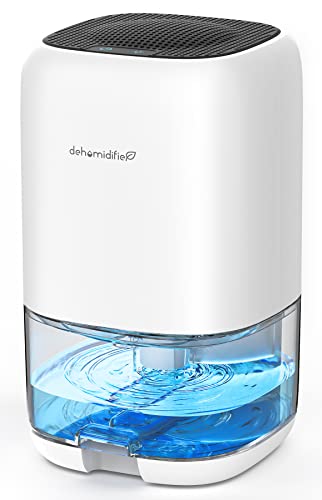
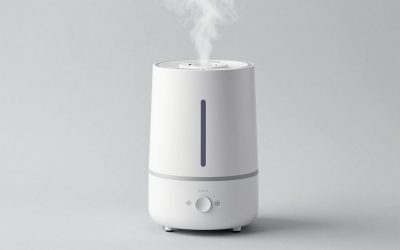
TABYIK 35 OZ Dehumidifier for Bedroom RV, Quiet with Auto Shut Off, White | 280 Sq.Ft Small Dehumidifiers for Home Bathroom Closet, 7 Color Light, 28dB Ultra Quiet, 35OZ Water Tank
One of the moisture-control product options compared in this guide.
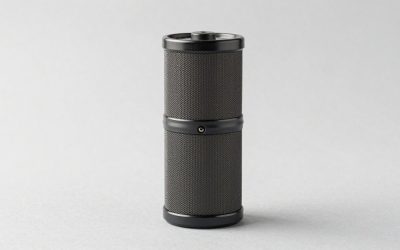
View on AmazonALORAIR Air Drying System Mat X-Force Rescue Mat for Efficient Floor Drying
One of the moisture-control product options compared in this guide.
View on Amazon
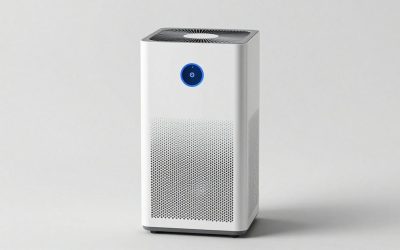
ToLife Dehumidifier, 1000 Sq Ft 95 oz Tank with Sleep Mode, Auto Shutoff | Portable for Home, Bedroom, Bathroom and Basement with 7-Color LED Light, White
One of the moisture-control product options compared in this guide.
View on AmazonKNKA Energy Star 5500 Sq.Ft Dehumidifier for Basement, Max 80 Pint/Day | Dehumidifier with Drain Hose, Dehumidifiers for Home, Bedroom, Bathroom, Large Room, Smart Humidity Control, Sleep Mode
One of the moisture-control product options compared in this guide.
View on AmazonKNKA 2500 Ft² Max 34 Pints Dehumidifier for Basement with Drain Hose, White | Dehumidifiers for Home, Bedroom, Bathroom, Large Room, Three Modes, Intelligent Humidity Control, Dry Clothes, 24HR Timer
One of the moisture-control product options compared in this guide.
View on Amazon
BEDRED Dehumidifier, 95Oz Dehumidifier for Home 1000 Sq.Ft | Quiet, Auto Shutoff, Sleep Mode, 7 Color Ambient Light for Bedroom, Bathroom, Basement (Deep Black)
One of the moisture-control product options compared in this guide.
View on Amazon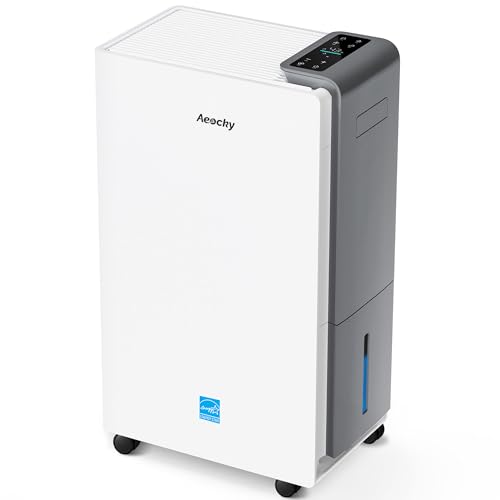
AEOCKY 5500 Sq.Ft Energy Star Most Efficient 2025 Dehumidifier Max 80Pint/D | Dehumidifier with Drain Hose for Basement, Home, Bedroom, Bathroom, Intelligent Humidistat
One of the moisture-control product options compared in this guide.
View on AmazonPrice tier is relative to the group on this page and reflects the listing price when the page was written; prices change often. The details come from the listing titles only.
| Model | What the title says | Price tier | Best for |
|---|---|---|---|
| Waykar 34-pint | 34 pints, Energy Star, up to 2,000 sq ft, auto or manual drainage, 0.62-gal tank | Mid-range | One large room or open living area |
| KNKA 34-pint | Max 34 pints, 2,500 sq ft, drain hose, 3 modes, 24-hr timer | Mid-range | Rooms where hose drainage is wanted |
| KNKA 80-pint | Energy Star, max 80 pints, 5,500 sq ft, drain hose, sleep mode | Mid-range | Large or very humid homes |
| AEOCKY 80-pint | Max 80 pints, 5,500 sq ft, drain hose, humidistat | Premium | Large homes wanting humidistat control |
| BEDRED 95-oz | 1,000 sq ft, 95-oz tank, sleep mode, auto shut-off | Mid-range | A bedroom with hardwood |
| ToLife 95-oz | 1,000 sq ft, 95-oz tank, sleep mode, auto shut-off | Budget | Small rooms on a tight budget |
| TABYIK 35-oz | 280 sq ft, 35-oz tank, 28 dB, auto shut-off | Budget | Closets, small baths, RV-size spaces |
| ALORAIR floor-drying mat | Air drying system mat for floor drying | Premium | Restoration after water exposure |
The eight, one by one
Waykar 34-pint Energy Star: the balanced pick for a whole room of boards
This is the listing that most closely matches what a hardwood room needs. The title names 34 pints, an Energy Star Most Efficient designation, coverage for spaces up to 2,000 sq ft, automatic or manual drainage and a 0.62-gallon tank. The tank is larger than the 0.53-gallon tank on some competing 34-pint listings, and the automatic drainage option means you can attach a hose and stop thinking about the bucket. For a floor that needs steady humidity, not a daily emptying ritual, that combination is the point.
Capacity is the second reason. A living room plus dining area of roughly 600 to 900 sq ft that feels sticky in summer falls into this unit’s range by the estimates in the worked example further down. The 2,000 sq ft claim is a best-case manufacturer figure for an open, lightly damp space, and it is better read as a ceiling than a target. The title does not state noise or wattage, so check the listing and the manual. As an estimate by class, a 34-pint compressor unit draws something like 350 to 600 W while running.
Because the title says Energy Star, it is worth confirming the designation on the official Energy Star product listing, since that is the source that counts. It is also worth reading the listed operating temperature range, which matters if the floor sits above a cool crawl space or unheated basement.
Pros
- Auto or manual drainage for unattended operation
- Larger tank than some other 34-pint models here
- Energy Star named in the title; confirm on the official listing
Cons
- Mid-range price tier, above the small tank-only units
- Not enough for a large, very humid whole house
- Noise and power draw not given in the title
Who it’s for: households that want one dependable unit to steady the humidity around a large room or open floor plan.
KNKA 34-pint with drain hose: the close alternative with a timer
The KNKA 34-pint and the Waykar are neighbors in price tier and capacity class, so the choice comes down to small details. The KNKA title lists max 34 pints, 2,500 sq ft, a drain hose, three modes, intelligent humidity control, a dry-clothes function and a 24-hour timer. The timer deserves some thought for a wood floor. You could set it to run in the hottest part of the day and rest at night, which can help both noise and winter overdrying, though a timer does not replace watching a hygrometer.
The three modes and the intelligent humidity control suggest a humidistat that cycles the unit on and off to hold a target. That is the behavior you want near wood, where a stable middle is better than a deep dry. The dry-clothes mode is not an advantage for floors, and a laundry load hung in the room will push the humidity up, so keep it away from the boards you are trying to protect. Be wary of the 2,500 sq ft figure, which is a best case.
The title does not specify the tank size, so check whether you will rely on the hose. Like most hose-equipped models, the unit must sit above the drain point, and the hose must run downhill the whole way.
If the drain is awkward, a plain hose-to-sink run across a hardwood hallway is a trip hazard and a possible leak point over the boards, so route it along a wall and consider a protective cover. Compared with the Waykar, the practical question is which listing page gives you the details you care about in writing, since the headline capacity is almost the same.
Pros
- Drain hose and 24-hour timer for hands-off running
- Humidity control to hold a steady target
- Priced in the same tier as the Waykar
Cons
- Tank size is not in the title
- Coverage claim is optimistic for a humid space
- No pump, so a nearby drain is needed
Who it’s for: owners with a hose-reachable drain who want a timer and a mid-range price tier.
KNKA 80-pint Energy Star: for large homes and humid regions
Some homes need more than one living room’s worth of drying. A wood-floored main level of 2,000 sq ft or more, a house in a humid region, or a floor above a crawl space that breathes in damp air can all make a 34-pint unit run long hours. The KNKA 80-pint title names Energy Star, max 80 pints per day, 5,500 sq ft, a drain hose, smart humidity control and sleep mode, and it is the lowest-priced listing here in that capacity class.
A bigger unit has one benefit for floors: it pulls the room down faster and then rests, so humidity swings are shorter. It also has a risk, which is overdrying a small area. In a 400 sq ft room the machine will hit its target quickly and cycle, which is fine, but a very low setting will take the air below what your flooring maker recommends. Keep the target in a moderate range and do not use the sleep mode as a reason to forget the hygrometer.
As an estimate, a unit in this class draws around 600 to 900 W while the compressor runs. Check the manual for the actual figure and for the temperature range the unit works in.
A large unit also changes how you use the house. With a hose to a drain it can run unattended for weeks, so the main risk is forgetting it in October when the heating season starts. Put a reminder in your calendar to raise the target or switch it off once the hygrometer shows the room has slipped to the low end of your flooring maker’s range.
Pros
- High capacity to bring down a large, humid floor quickly
- Drain hose and sleep mode in the title
- Lowest price tier among the 80-pint units here
Cons
- Oversized for one small room
- Larger cabinet to position on a wood floor
- No pump, and noise not stated
Who it’s for: larger homes, humid climates, or floors over damp crawl spaces where a smaller unit would run all day.
AEOCKY 80-pint: premium tier with a humidistat
The AEOCKY listing offers 5,500 sq ft, max 80 pints per day, a drain hose and an intelligent humidistat, with an Energy Star Most Efficient designation named in the title. Its feature list overlaps with the KNKA 80-pint, but the price tier is premium. The title alone does not explain the difference, so the decision hinges on whatever else is on the listing: warranty window, display, noise rating, tank size. Check those before paying extra.
For wood floors the humidistat matters. A unit that senses humidity and holds a set point is much better for boards than one that runs for a fixed number of hours, because it can rest when the air is already in range. Pair it with a hygrometer placed near the floor, since the air at ankle height can differ from the air at the machine, and adjust the target by a few points at a time.
Think about location, too. A large unit is easiest to place at a central point such as a hallway between rooms, with interior doors open so air can reach every floor area you want to protect. A closed bedroom door can leave that room outside the unit’s reach.
If you are weighing it against the cheaper KNKA 80-pint, ask yourself what you would see on the listing page that justifies the gap: a longer written warranty, a clearer operating range, a stated noise level or a larger tank. When none of those is spelled out, the lower-priced unit with the same capacity class is the easier decision. Where the listing does spell them out, you are paying for documented details, which is a reasonable thing to value in a machine you will leave running for months.
Pros
- Humidistat-based control to hold a target
- Large capacity with a drain hose
- Energy Star Most Efficient named in the title
Cons
- Premium tier with a feature list close to a cheaper model
- No pump mentioned
- Noise, tank size and operating range are missing from the title
Who it’s for: owners of large, wood-floored homes who prefer this listing’s details and are prepared to pay for them.
BEDRED 95-oz: a quiet-positioned unit for a hardwood bedroom
The BEDRED title reads like a bedroom product: 95-oz tank, 1,000 sq ft, quiet, auto shut-off, sleep mode and a seven-color ambient light. If your wood floors are in a bedroom where a large unit would be too loud, this is the class to consider. The 95-oz tank holds about three quarts, which in a humid room can fill within a day (estimate), after which the auto shut-off stops the unit.
That shut-off is both a safety feature and a limitation. It protects the floor from overflow, but it also means the humidity climbs back up when you are away. The title mentions no drain hose, so plan to empty the tank every day in muggy weather. For a spare bedroom you use occasionally, that may be acceptable. For a room you want protected around the clock, it is not.
Check the listing for the dehumidifying technology and the temperature range. Small units use different methods, and they behave differently in cool rooms. None of that appears in the title.
Placement for a bedroom is simple but important. Set the unit on a waterproof tray, a few inches from the wall, and keep it away from the bed linens and curtains. Empty and dry the tank each morning in humid weather, and leave it open to air so it does not smell. If you find yourself emptying it twice a day, the room has more moisture than a unit of this size is designed for, and that is a signal to look for the source or move up to a hose-equipped model rather than keep emptying.
Pros
- Sleep mode and quiet positioning for bedrooms
- Auto shut-off protects against overflow
- Compact enough for small rooms
Cons
- Tank-only, so daily emptying in damp weather
- Mid-range tier for a small-capacity unit
- 1,000 sq ft is a best-case claim
Who it’s for: a bedroom or study with hardwood where noise matters more than maximum drying.
ToLife 95-oz: the budget way to protect one room
ToLife’s title is close to the BEDRED in what it promises: 1,000 sq ft, a 95-oz tank, sleep mode, auto shut-off, portable use in the bedroom, bathroom or basement, and a seven-color LED light. The price tier is budget, which makes it the least costly way to put a dehumidifier in a single room with wood flooring. If the room is small, and the humidity there only drifts above the band occasionally, that can be enough.
The practical limits are those of any tank-only unit. It needs emptying, it stops when the tank is full and its capacity is small. For a damp room that stays above range for weeks, it will be outrun. Where it works well is as a seasonal helper: a few weeks in July in a room that is otherwise comfortable, then a rest the rest of the year.
Because it is so inexpensive, it is also a reasonable second unit for a closet or an enclosed room the main dehumidifier does not reach. Place it on a tray, not directly on the boards, in case the tank is knocked or overfilled.
Treat the 1,000 sq ft figure as a best-case marketing claim. In practice, a small tank-only unit is more comfortable in a room of 150 to 300 sq ft, and the room’s own humidity source matters: a bedroom with a bathroom attached will keep feeding it. Keep the door closed when the unit is running so it works on a defined volume of air, and check the floor around it every few days for any sign of drips or condensation.
Pros
- Budget price tier
- Portable and compact
- Auto shut-off and sleep mode
Cons
- Small tank with no hose connection in the title
- Cannot cover an open floor plan
- Technology and temperature range not stated
Who it’s for: one small room, a seasonal helper, or a second unit for an enclosed space.
TABYIK 35-oz: a closet and small-bath unit, not a floor solution
TABYIK is the smallest product here. The title claims 280 sq ft, a 35-oz tank, 28 dB operation, auto shut-off and a seven-color light, aimed at bedrooms, RVs, bathrooms and closets. A 35-oz tank is a little over a liter, so in a damp space it would need emptying often. The 28 dB figure is the manufacturer’s number and is the only noise claim in the group, though it is not something we can verify.
For wood floors it has one realistic job: a small enclosed space that holds moisture, such as a walk-in closet, a bathroom with a wood-look floor or a small bedroom. It cannot protect a living room, and it will not change the humidity of a 600 sq ft area. If you buy it expecting to steady a whole floor, you will be disappointed; if you buy it to dry out the air in a closet where leather and wood both suffer, it is a sensible, low-cost choice.
Check the listing for what technology it uses, because small units do not behave like compressor models, especially in cool rooms.
Because of its size and the 35-oz tank, a good habit is to empty it at the same time each day and wipe the tank dry. Put it on a stable, level surface on a tray, and keep the air inlet clear of cloth. The 28 dB claim is likely quoted under ideal conditions, so do not expect it to be silent in a real room with hard surfaces. If a closet is the target, leave the closet door ajar so the unit can pull from the room as well.
Pros
- Lowest price tier on the page
- Very small footprint with a stated 28 dB claim
- Auto shut-off when full
Cons
- 35-oz tank fills fast in damp air
- Covers about 280 sq ft at best
- Technology and performance details not in the title
Who it’s for: closets, small baths, or compact spaces next to wood flooring.
ALORAIR floor-drying mat: a restoration tool, not a room dehumidifier
The ALORAIR entry is the odd one out. Its title describes an Air Drying System Mat, an X-Force Rescue Mat for efficient floor drying, and not a dehumidifier. A mat system with that name appears to be intended for drying a floor after water exposure, for example after a leak or a flood, which is the kind of equipment more often associated with restoration crews than with households; the listing is the place to confirm exactly what it does. The title does not say what it connects to or what else is needed, so check the listing for the full setup and any separate equipment before you assume you can run it alone.
It belongs on this page because readers searching for dehumidifiers for wood floors sometimes have a wet floor, not a humid room. If that is you, a standard dehumidifier is not the right first step. Standing water, wet subfloor or a spreading stain call for a restoration professional to assess moisture and decide how to dry the structure. Buying a premium drying mat for a one-time event may be hard to justify for a homeowner, though renting or hiring may be an option the listing does not discuss.
For ordinary seasonal humidity, the compressor models above are the better answer. This mat shares the premium tier with the AEOCKY because of its purpose and equipment class, not because it is a better room dehumidifier.
One more reason for caution: moisture below a floor is not solved by a surface mat alone. If water got under the boards, a professional will use meters and may open the subfloor to confirm dryness. Treat the product as a piece of professional-style equipment, check the listing for exactly what it includes, and do not buy it as a substitute for an assessment.
Pros
- Purpose-built category for drying floors after water exposure
- Useful to know about if a leak has wet the boards
- Different tool for a different job
Cons
- Premium price tier
- Not a dehumidifier for seasonal humidity
- Required accessories and setup are not stated in the title
Who it’s for: restoration-style drying after a leak, ideally with professional guidance, not for managing summer humidity.
How we picked these
The Editorial team built this list from published specifications, manufacturer documentation and buyer reviews. Nobody on the team used or measured these units. Every capacity, coverage or noise figure you see above comes from a listing title or is clearly labeled as an estimate for a class of unit. We kept the group to the eight listings above and tried to be honest about which ones are a poor fit: the ALORAIR mat is not a dehumidifier, and the two smallest units cannot steady a large floor.
Three questions shaped the ordering. Can the unit be left alone, meaning it has a drain hose, an automatic drainage option or a generous tank? Is its capacity class plausible for a room of boards, not just a closet? And does it offer some form of humidity control, so it can hold a target rather than run until the tank fills? Units that answer yes to all three come first.
What we cannot tell you from titles includes warranty terms, build quality over years, true noise and exact electricity draw. For those, read the listing carefully, look for the manual, and weigh buyer comments on long-term use. Treat a bargain with some caution until you have confirmed what you need.
What the boards are telling you: a symptom guide
Wood floors show moisture trouble in a handful of recognizable ways. This table is general guidance, not a diagnosis. If you see anything severe, ask a flooring professional to check moisture levels in the boards and subfloor.
| What you see | Often points to | What a dehumidifier does | Action |
|---|---|---|---|
| Cupping: board edges higher than the center | More moisture on the underside than the top, or long-running high humidity | Helps if humidity is the cause | Find the source, such as a damp crawl space, and dry the space before expecting change |
| Crowning: center higher than the edges | Often follows cupping that was sanded flat before the boards dried, or top-side moisture | Limited | Ask a flooring professional before sanding |
| Gapping: widening seams | Dry air, often in the heating season | None; may worsen with overdrying | Check winter humidity against your flooring maker’s range |
| Buckling: boards lifting from the subfloor | A serious moisture event or major expansion | Not enough alone | Call a professional promptly |
| Musty smell, dark edges | Persistent dampness | Helps if the source is controlled | Look for leaks and ventilation problems |
Notice that gapping is the symptom a dehumidifier does not fix. Seasonal gaps are a dry-air problem, and the answer is usually moisture added in winter by a humidifier or avoiding overdrying, not removing more. That is why the rest of this guide emphasizes a band and not a minimum. Solid boards move the most across their width, which is also why seams are where you notice it first.
The humidity band, and why it needs hedging
Industry groups and many manufacturers commonly cite a window of roughly 30 to 50 percent relative humidity for indoor wood flooring, and many also mention a temperature range. Some products specify a slightly different band, and engineered boards are often described as more dimensionally stable than solid ones, although neither is immune. Your flooring maker’s installation or care sheet is the authority, and a warranty may be conditional on staying inside the stated range.
A dehumidifier lowers the top of that band. It does nothing for the bottom. In a humid climate, the summer risk is the top end, and the dehumidifier is the right tool. In a cold climate with forced-air heat, the winter risk is the bottom end, and the answer is to switch the unit off and consider a humidifier if the room falls below your flooring maker’s range. A seasonal view helps.
| Season | Typical risk | What boards may do | Dehumidifier approach |
|---|---|---|---|
| Summer, humid regions | Indoor humidity above the band | Swell, cup, close seams tightly | Run with a mid-range target |
| Spring and fall | Variable, with swings between damp and dry days | Small movements | Run only when the hygrometer climbs |
| Winter, heated homes | Indoor humidity below the band | Shrink, open seams | Switch off; check the hygrometer |
| After a leak or flood | Localized saturation | Swell, buckle, stain | Call a professional; a drying system may be involved |
Whatever the season, the number to watch is not the reading at the dehumidifier. Put a small hygrometer in the middle of the room at floor level, and a second one by an exterior wall. The two readings tell you whether the unit is actually changing the air your floor sees.
A worked example: one main floor, one summer
Take a house with a 1,000 sq ft main level of solid boards. The living and dining areas are open, the kitchen and hall adjoin them, and the bedrooms are separate. In July a hygrometer in the middle of the living room reads 64 percent, and the floor feels slightly sticky. The crawl space below is vented and feels damp.
Step one is to decide the target. The flooring maker’s sheet says 30 to 50 percent, so the plan is to bring the room to around 45 to 50 and hold it. Step two is to estimate capacity. Using the same kind of chart reasoning as basement sizing, a damp 1,000 sq ft area suggests roughly 25 to 35 pints (current rating standard), which is estimate territory. That points to the 34-pint class, such as the Waykar or KNKA 34-pint. Step three is placement: a central spot in the open area, off the wall, with interior doors open, on a waterproof tray, and with the drain hose sloping to a sink or floor drain.
Step four is the one that people skip. Because the crawl space is the likely moisture source, the dehumidifier on the main floor is treating a symptom. Ask about sealing or conditioning the crawl space, and size accordingly if you use a unit down there. See the combined dehumidifier and air purifier picks if dust and odor are also part of the complaint.
A one-week set-up plan
- Day 1: read your flooring maker’s humidity guidance and write the range down. Place two hygrometers at floor height, one in the room’s center and one by an exterior wall.
- Day 2: position the dehumidifier on a waterproof tray, in an open area, away from walls by the clearance in the manual. Set the hose to slope downhill, or position the tank where you can reach it.
- Day 3: set the humidistat near the upper-middle of your target band. If the unit has a sleep mode, switch it on only during the hours the room is in use.
- Days 4 and 5: compare both hygrometers each morning and evening. Note when readings fall and when they rebound.
- Day 6: check the floor under and around the unit for drips. Check the filter.
- Day 7: adjust the target by two or three points if the room is outside the band, then leave it alone for another week.
The aim is not a perfect number but a steady one. Boards cope with a slow seasonal drift far better than with swings of 15 points in a day.
Cleaning the same boards without adding moisture
Cleaning habits affect floor humidity more than most people realize. A soaked mop adds water to the surface and the air, and repeated wet mopping works against the dehumidifier. If you are choosing tools for the same boards, the comparison of mops for wood floors covers flat, spray, spin and steam options, scratch-safe vacuums for timber floors and the robot vacuums for wood floors cover the dry side of the job. Use whatever your flooring maker recommends, wring mops out well and let the surface dry quickly.
Mistakes to avoid
Putting a tank-only unit in an open floor plan. It fills, shuts off and leaves the room to rebound.
Setting the humidistat as low as it will go. Boards can shrink if the air is dried below your maker’s range, especially in winter.
Forgetting the moisture source. A damp crawl space or a leaking pipe will outlast any dehumidifier.
Trusting the unit’s own readout. Check the room with a separate hygrometer at floor height.
Letting the hose or tank sit on bare boards. A tray and a downhill hose slope prevent a drip from becoming a stain.
Using a restoration mat for seasonal humidity. It is a different category with a different purpose.
Verdict
For one large room or an open floor plan with hardwood, the Waykar 34-pint is the balanced pick, and the KNKA 34-pint is a close alternative if you want a timer and hose. Choose the KNKA 80-pint for a big, humid home, and the ToLife for a small room on a tight budget. The ALORAIR mat is the premium entry, but only for post-leak drying. Whatever you buy, set a moderate target, watch a floor-level hygrometer, and let your flooring maker’s range outrank everything on this page.
Frequently asked questions
What humidity level is best for wood floors?
Industry groups and many flooring manufacturers commonly cite a band of roughly 30 to 50 percent relative humidity, with some products allowing a somewhat higher ceiling. Treat that as a general guide, not a rule. Your flooring maker’s installation or care sheet gives the range that applies to your boards, and a warranty may depend on it. Use a separate hygrometer at floor height in the room, not the reading on the dehumidifier, and aim for stability more than a single number.
Can a dehumidifier damage wood floors?
Not directly, but overdrying can. If the humidistat is set very low or the unit keeps running in winter, indoor air can fall well below the band your flooring maker recommends, and boards may shrink and open gaps. A dehumidifier is meant for damp seasons. Set a middle target, check a hygrometer, and switch the unit off or raise the target when the heating season brings the room down on its own.
Is a small 35 oz dehumidifier enough for a room with hardwood floors?
Only for a very small space. A 35 oz tank unit with a 280 sq ft claim in its title is aimed at a closet, bathroom or small bedroom, and its tank fills quickly in a damp room. For a living room or an open floor plan, a compressor model in the 30 to 35 pint class with a drain hose or a generous tank is the more realistic starting point, because the whole room needs to stay stable, not just the air near the unit.
Where should I place a dehumidifier in a room with wood floors?
Choose a central or open spot where air can circulate, away from walls and furniture by the clearance the manual specifies. Put the unit on a waterproof tray or mat so a hose leak or a spilled tank does not reach the boards, and keep the drain hose sloping downhill with no kinks. Avoid placing it directly over a floor register. Check the area under the unit now and then for drips.
Will a dehumidifier fix cupped or gapped floorboards?
It can stop the cause if high humidity is the problem, and mild cupping sometimes eases as boards return to normal moisture over weeks or months. It will not flatten badly distorted boards or close gaps that formed during a dry spell. If boards are lifting or buckling, or you suspect water from below, ask a flooring professional to assess moisture before you rely on a dehumidifier alone.