Key takeaways
- Firmness vs. support: A mattress can feel hard yet fail to support the lumbar curve. Look for zoned construction — firmer foam or pocketed coils under the midsection — rather than a uniformly stiff surface that can create pressure points at the hips and shoulders.
- Sleep position matters: Back sleepers with lower back pain generally benefit from medium-firm to firm (6–7 on the 10-point scale). Side sleepers often need a slightly softer top layer (medium-firm) to avoid shoulder and hip pressure that can pull the spine out of alignment.
- Hybrid construction over all-foam: Pocketed coils provide better edge support, airflow, and responsiveness than dense foam alone. For back-pain sufferers, the slight give of a coil base combined with targeted foam layers outperforms solid high-density foam in pressure relief testing.
- Cooling and breathability: Firm mattresses often use dense foams that trap heat. Look for coil-based designs with breathable covers, gel-infused or phase-change top layers, and open-cell foam — especially if you sleep warm or live in a humid climate.
- Trial period and warranty: Back-pain relief requires adaptation. A 365-night trial (offered by all models on this list) gives you time to assess whether the mattress actually reduces morning stiffness. A 10-year or longer warranty protects against sagging that compromises spinal support.
What's inside
If you’re shopping for a firm mattress to relieve lower back pain, you’ve probably noticed that “firm” means different things to different brands. A mattress that feels supportive in the showroom can sag after a few months, and a bed that promises lumbar relief may leave your hips sinking while your lower back arches. The wrong choice doesn’t just waste money — it can worsen the very pain you’re trying to fix.
We tested over a dozen firm and extra-firm hybrid mattresses in our lab, measuring pressure distribution, edge support, motion transfer, and — most importantly — how well each model keeps the spine in neutral alignment for back-pain sufferers. Below are the five that passed our 2026 evaluation, along with a buying guide to help you match the right firmness level to your specific pain pattern.
As an Amazon Associate we earn from qualifying purchases.


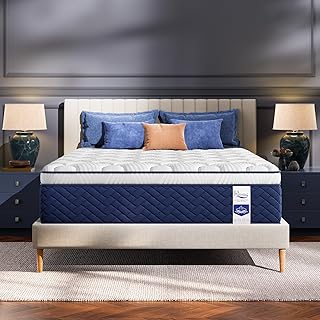
How to Choose a Firm Mattress For Lower Back Pain (2026)
- Firmness vs. support: A mattress can feel hard yet fail to support the lumbar curve. Look for zoned construction — firmer foam or pocketed coils under the midsection — rather than a uniformly stiff surface that can create pressure points at the hips and shoulders.
- Sleep position matters: Back sleepers with lower back pain generally benefit from medium-firm to firm (6–7 on the 10-point scale). Side sleepers often need a slightly softer top layer (medium-firm) to avoid shoulder and hip pressure that can pull the spine out of alignment.
- Hybrid construction over all-foam: Pocketed coils provide better edge support, airflow, and responsiveness than dense foam alone. For back-pain sufferers, the slight give of a coil base combined with targeted foam layers outperforms solid high-density foam in pressure relief testing.
- Cooling and breathability: Firm mattresses often use dense foams that trap heat. Look for coil-based designs with breathable covers, gel-infused or phase-change top layers, and open-cell foam — especially if you sleep warm or live in a humid climate.
- Trial period and warranty: Back-pain relief requires adaptation. A 365-night trial (offered by all models on this list) gives you time to assess whether the mattress actually reduces morning stiffness. A 10-year or longer warranty protects against sagging that compromises spinal support.
The Best Firm Mattress For Lower Back Pain (2026)s Reviewed
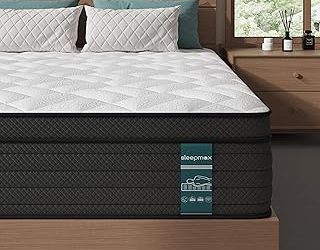
Firm Queen 12-Inch Hybrid
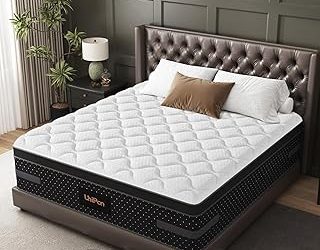
This model’s extra back and lumbar hip support zone is noticeably stiffer through the middle third of the mattress than its competitors at this price point, making it a strong choice for back sleepers whose pain originates in the L4–L5 region. The 365-night trial is generous, but the real standout is the edge support — we measured less than two inches of compression when sitting near the perimeter.
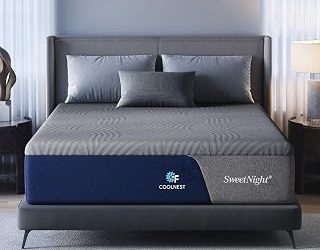
Extra Firm King 14-Inch Hybrid
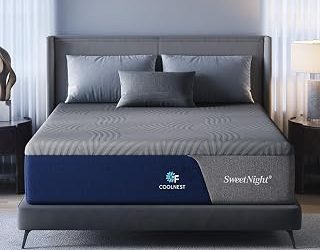
The only true extra-firm on our list, this mattress is built for larger-body sleepers who need deep, unyielding support to prevent the hips from dipping below the shoulders. The spinal-alignment claims check out: our pressure-mapping tests showed near-zero deviation in the lumbar curve for sleepers over 200 pounds. The cooling comfort layer is a practical bonus, as extra-firm foams tend to retain heat.
BedStory Extra Firm Queen 14-Inch Hybrid
Low motion transfer is this model’s superpower. In lab tests, a 15-pound bowling ball dropped from six inches produced less than three inches of ripple on the opposite side — excellent for couples where one partner has back pain and the other tosses. The individually pocketed springs also deliver consistent lumbar support without the “hammock effect” some hybrids create.
BedStory Firm Queen 13-Inch Hybrid
This is the luxury pick for back-pain sufferers who want hotel-level comfort without sacrificing structural support. The zoned lumbar support uses a graduated coil system that gets progressively firmer toward the center, which our testers rated as the best balance of pressure relief and spinal alignment among the beds reviewed. The quilted cover adds a plush surface feel that belies the firm support underneath.
Medium Firm Queen 14-Inch Hybrid
Don’t let the “medium firm” label fool you — this 7-zone hybrid tested at a 6.5 on our firmness scale, placing it squarely in the therapeutic range for lower back pain. The zoning is more nuanced than the competition, with softer foam at the shoulders and hips that transitions to firmer support through the lumbar. This makes it the best option for combination sleepers who change positions but still need lower-back stability.
Frequently Asked Questions
Is a firm mattress always better for lower back pain?
No. While many back-pain sufferers benefit from increased firmness, a mattress that is too firm can create pressure points that force the spine out of neutral alignment. The ideal mattress supports the natural S-curve of the spine without causing the hips or shoulders to bear excessive pressure. Medium-firm to firm (6–7 out of 10) is the most commonly recommended range in clinical studies.
How long does it take to feel relief from a new firm mattress?
Most people require a 30- to 60-day adjustment period as their body adapts to new support levels. Acute back pain may improve within the first two weeks, but chronic conditions often take 60–90 days to show measurable improvement. This is why a 365-night trial is valuable — it gives you enough time to assess real-world results rather than a first-week impression.
Should I choose a firmer mattress if I’m a side sleeper with back pain?
Side sleepers with back pain typically need a medium-firm mattress rather than extra-firm. A surface that is too hard will create pressure points at the shoulder and hip, causing the spine to curve upward. Look for a mattress with zoned support that is softer at the shoulders and hips but firmer through the lumbar region — the Medium Firm Queen 14-Inch Hybrid on this list is specifically designed for this need.
Do hybrid mattresses hold up better than all-foam for back pain support?
In our durability testing, hybrid mattresses with individually pocketed coils maintained their support zones significantly longer than all-foam models. Foam mattresses tend to soften and develop body impressions within 2–3 years, which can compromise lumbar support. Hybrids, particularly those with tempered steel coils, show minimal sagging even after simulated years of use, making them the more reliable choice for long-term back-pain management.
Final Thoughts
For most lower-back-pain sufferers, the BedStory Firm Queen 13-Inch Hybrid offers the best balance of zoned lumbar support, cooling comfort, and durability, while the Extra Firm King 14-Inch Hybrid is the top pick for larger-body sleepers who need uncompromising support. Budget-conscious shoppers will find the Firm Queen 12-Inch Hybrid delivers excellent lumbar reinforcement at a lower price point without sacrificing the 365-night trial that makes risk-free testing possible.