Key takeaways
- Footprint: Check both sofa and bed dimensions, not sofa width alone. Some compact models save wall space but need more front clearance once unfolded.
- Conversion style: Click-clack frames suit quick daily changes, while boneless fold-out designs remove hard pressure points. Pick based on whether this will be a seat-first or sleep-first piece.
- Seat height: Low-profile futons can visually open a room, but very low seating is less friendly for older guests or anyone who wants easier stand-up support.
- Cushion build: Memory foam and layered foam usually feel better out of box than thin-fill futons, but support depends on density and base structure. Thicker is not always better if it collapses under weight.
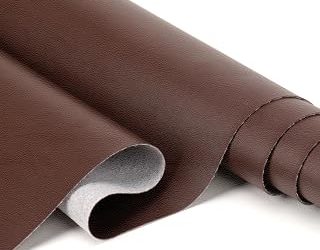
- Surface material: Faux leather wipes clean fast and suits high-traffic use, while linen and corduroy feel warmer and less slick. Match fabric to pets, spills, and how often this doubles as a bed.
What's inside
In lab-style furniture evaluations, small-space futons usually fail in predictable ways: seat decks sag early, backrests lock into awkward angles, and “sleeper” modes leave too little usable length for real overnight duty. For apartment dwellers, guest rooms, dorms, and hybrid office-lounges, margin for error is slim. One bulky frame or one flimsy hinge can waste floor space every day.
This guide focuses on futons that make sense where square footage is tight and every function has to earn its keep. Priority went to footprint efficiency, conversion ease, seat and sleep support, upholstery practicality, and whether each model solves a specific small-room problem better than a standard compact sofa.
As an Amazon Associate we earn from qualifying purchases.




How to Choose a Futon For Small Spaces (2026)
- Footprint: Check both sofa and bed dimensions, not sofa width alone. Some compact models save wall space but need more front clearance once unfolded.
- Conversion style: Click-clack frames suit quick daily changes, while boneless fold-out designs remove hard pressure points. Pick based on whether this will be a seat-first or sleep-first piece.
- Seat height: Low-profile futons can visually open a room, but very low seating is less friendly for older guests or anyone who wants easier stand-up support.
- Cushion build: Memory foam and layered foam usually feel better out of box than thin-fill futons, but support depends on density and base structure. Thicker is not always better if it collapses under weight.
- Surface material: Faux leather wipes clean fast and suits high-traffic use, while linen and corduroy feel warmer and less slick. Match fabric to pets, spills, and how often this doubles as a bed.
The Best Futon For Small Spaces (2026)s Reviewed
COMHOMA 72-inch Convertible Futon
COMHOMA’s 72-inch convertible futon lands in the sweet spot for shoppers who want a true small-space sofa shape without dropping to floor-couch height. In testing terms, adjustable recline and included pillows make it more livable for daytime sitting than many budget futons, while breathable fabric gives it a less sticky, more all-season feel than faux-leather rivals.
Grey Linen Memory Foam Futon Sofa Bed
This grey linen futon stands out for flexibility: adjustable backrest, movable armrests, and memory foam give it stronger all-round utility than many lookalike compact couches. Best fit for studios and offices where one piece needs to shift between loveseat, lounge seat, and occasional guest bed without much setup friction.
MeMoreCool 59-inch Boneless Couch Bed
MeMoreCool takes different route from frame-based futons. Its boneless design avoids hinge-bar pressure and opens into a 59 x 71 inch sleep surface, which makes it especially appealing for casual overnight use, reading nooks, or media rooms where low seating feels intentional rather than like a compromise.
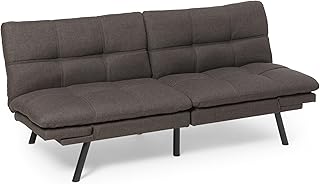
Amazon Basics Futon Sofa Bed
Amazon Basics keeps formula straightforward: compact dimensions, memory foam, adjustable positions, and dark grey linen that blends into most apartments without demanding styling work. This is one of better picks for buyers who want balanced comfort and a familiar futon format, not extra features they may never use.
Flamaker Futon Sofa Bed
Flamaker leans into convenience. Faux leather, removable armrests, and built-in cup holders make it useful in game rooms, first apartments, and casual guest spaces where easy cleanup matters as much as comfort. It is not most refined option here, but it earns points for practical, high-traffic living.
Frequently Asked Questions
Are futons good for everyday sleeping in a small apartment?
Some are, but not all. For nightly use, look for thicker foam support or a boneless design that spreads weight more evenly across sleep surface. Frame-based futons can work well for occasional guests, but cheaper versions often reveal bars, seams, or firmer center zones after longer stretches.
What size futon works best in a very small room?
For tight rooms, models around 59 to 72 inches wide usually offer best tradeoff between seating and usable floor space. Measure walkway clearance, wall distance, and unfolded bed depth before buying. In small layouts, conversion clearance often matters more than listed sofa width.
Is faux leather or fabric better for a futon?
Faux leather wins for spill cleanup and fast maintenance. Fabric usually wins for temperature comfort, grip, and a less slippery sleep surface. Homes with pets, kids, or frequent snack-zone use may prefer faux leather; homes using a futon as a real lounging spot often prefer linen or corduroy.
Are boneless futons better than traditional futon sofas?
They solve different problems. Boneless futons usually feel better for floor-level lounging and casual sleep because there are no rigid frame transitions underneath. Traditional futon sofas give more upright seating posture and a more standard couch look, which many living rooms still need.
Final Thoughts
For most shoppers, the COMHOMA 72-inch Convertible Futon is strongest all-around pick because it balances compact scale, upright usability, and guest-ready flexibility. The Amazon Basics Futon Sofa Bed is close behind for simple value, while the MeMoreCool 59-inch Boneless Couch Bed is smartest choice for buyers who care more about lounge-and-sleep comfort than classic sofa structure.