Key takeaways
- Size: Match the blade span to the room and keep the fan clear of cabinets, tall shelving, and walkways. Compact kitchens generally suit models under 44 inches, while open layouts can accommodate 52 inches or more.
- Mounting: A low-profile or flush-mount fan is usually safest beneath an eight-foot ceiling. Larger windmill-style fans often need a downrod and more vertical clearance.
- Lighting: Dimmable LEDs and adjustable color temperature make a fan more practical for cooking, dining, and evening use. Check that the light is positioned to illuminate work areas rather than shine directly into the eyes.
- Motor and controls: DC motors tend to offer quiet operation, efficient speed changes, and convenient reversing. Remote or app controls are useful when the wall switch is far from the kitchen entrance.
- Cleaning: Choose blades and housings that are easy to reach and wipe. In kitchens, smooth surfaces and restrained detailing are preferable because airborne grease and dust can collect quickly.
What's inside
Kitchen ceiling fans have to solve two problems at once: improve air movement without overwhelming the room, and provide useful light without creating glare on counters or work surfaces. The wrong model can be noisy, difficult to clean, too large for the space, or poorly suited to a low ceiling.
From a home-appliance testing perspective, we compared the most important ownership factors: airflow control, motor noise, lighting flexibility, installation profile, cleaning practicality, and control options. This guide covers compact flush-mount designs as well as larger fans for open-plan kitchens, with recommendations for different room sizes and layouts.
As an Amazon Associate we earn from qualifying purchases.


How to Choose a Kitchen Ceiling Fan (2026)
- Size: Match the blade span to the room and keep the fan clear of cabinets, tall shelving, and walkways. Compact kitchens generally suit models under 44 inches, while open layouts can accommodate 52 inches or more.
- Mounting: A low-profile or flush-mount fan is usually safest beneath an eight-foot ceiling. Larger windmill-style fans often need a downrod and more vertical clearance.
- Lighting: Dimmable LEDs and adjustable color temperature make a fan more practical for cooking, dining, and evening use. Check that the light is positioned to illuminate work areas rather than shine directly into the eyes.
- Motor and controls: DC motors tend to offer quiet operation, efficient speed changes, and convenient reversing. Remote or app controls are useful when the wall switch is far from the kitchen entrance.
- Cleaning: Choose blades and housings that are easy to reach and wipe. In kitchens, smooth surfaces and restrained detailing are preferable because airborne grease and dust can collect quickly.
The Best Kitchen Ceiling Fans (2026) Reviewed
LEDIARY 20-Inch Modern Fandelier
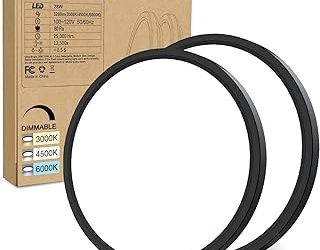
The compact LEDIARY is a strong choice for smaller kitchens, breakfast nooks, or spaces where a conventional blade span would feel intrusive. Its flush-mount design, six speeds, dimmable light, and stepless color-temperature adjustment provide unusually fine control for a fan of this size, while the enclosed form should be relatively straightforward to wipe clean.
Sofucor 52-Inch Wood Ceiling Fan
Sofucor’s wood-blade design brings a warmer furniture-like appearance to kitchens with farmhouse, transitional, or natural-material finishes. Its quiet reversible DC motor, six speeds, and three-color-temperature lighting make it versatile, although its 52-inch span is best reserved for a generously sized kitchen or an open-plan living area.
Hunter Builder 42-Inch Low-Profile Fan
The Hunter Builder 51091 takes a deliberately simple approach: five blades, a low-profile mount, LED lighting, and pull-chain controls. It lacks a remote, but that simplicity can appeal in a rental, utility-focused kitchen, or home where dependable manual operation matters more than smart features.
WINGBO 72-Inch Windmill Ceiling Fan
WINGBO is designed for large kitchens, vaulted ceilings, and connected dining or living spaces rather than compact rooms. The ten-blade windmill layout, six-speed reversible DC motor, and three included downrod options give it substantial visual and airflow presence, but buyers should carefully confirm ceiling height and installation clearance before choosing it.
OJX 52-Inch Ceiling Fan
The OJX combines a conventional 52-inch footprint with remote and app control, making it a flexible pick for modern kitchens where control from a phone is genuinely useful. Its quiet reversible DC motor, dimmable three-color-temperature light, and indoor/outdoor positioning offer broad versatility, though the app is an extra layer that some households may never need.
Frequently Asked Questions
What size ceiling fan is best for a kitchen?
For a small kitchen, a fan around 20 to 42 inches is usually easier to place without conflicting with cabinets. A 52-inch model works better in a larger or open-plan room, while a 72-inch fan is intended for expansive areas with sufficient ceiling height.
Are ceiling fans suitable above a kitchen island?
They can be, provided the blades have adequate clearance from people, cabinets, and pendant lights. Measure carefully around the island and consider whether the fan’s airflow could disturb lightweight papers, steam, or food preparation.
Is a DC motor worth choosing?
Usually, yes. DC motors commonly provide quieter running, smoother speed changes, lower energy use, and convenient reverse operation. The benefits are most noticeable in kitchens connected to living or dining areas.
What color temperature should a kitchen fan light use?
A neutral setting around 3500K to 4000K is a practical everyday choice for food preparation. Warmer settings can make dining more comfortable, while cooler settings may help with detailed cleaning or task work.
Final Thoughts
The LEDIARY is the most practical compact choice, while the Sofucor offers a warmer, larger-room design with strong all-around controls. For smart operation, the OJX is the most flexible pick; buyers with very large, high-ceilinged kitchens should consider the WINGBO instead.