Our Top Picks
 WEN DT1516 16-Inch 15-Amp 2-in-1 Electric Dethatcher and16-Inch, 15A40.94 x 23.62 x 40.94 inches33.73 poundsCheck on Amazon
 EWORK Electric Dethatcher and Scarifier 17-Inch 15-Amp with17-Inch23.43 x 13.58 x 17.72 inches28.66 poundsCheck on Amazon
 Westinghouse 16" 15-Amp 2-in-1 Electric Dethatcher and Scarifier40.9 x 23.6 x 40.9 Inches29.5 poundsCheck on Amazon
 Sun Joe 15-Inch Lawn Dethatcher with Scarifier BladeCorded; 15.0-Inch24.4 x 19.3 x 12.2 inches27.1 PoundsCheck on Amazon
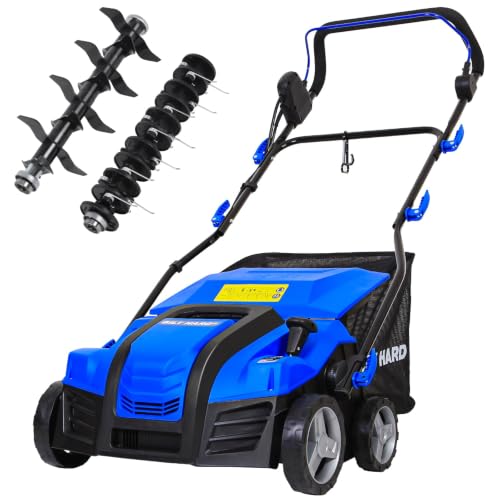 BILT HARD 16 Inch Dethatcher Scarifier Electric Powered16 Inch, 15 Amp40 x 20 x 42.5 inches57.32 PoundsCheck on Amazon
For most suburban lawns, the best lawn dethatchers in this group are the corded 2-in-1 electric models with a 15-amp motor, a 16-inch working width, a collection bag and several depth settings. They remove the layer of dead stems and roots that sits between green grass and soil, and most can switch between a dethatching reel and a scarifying reel. Ten corded electric listings from WEN, Sun Joe, Greenworks, Westinghouse and others are compared below, with a clear note on what each title does and does not promise.
Dethatcher shortlist
WEN DT1516 16-Inch 15-Amp 2-in-1 Electric Dethatcher and Scarifier with Collection Bag, Black
One of the home product options compared in this guide.
View on AmazonEWORK Electric Dethatcher and Scarifier 17-Inch 15-Amp with Collection Bag | 2-in-1 Power Corded Lawn Dethatcher, Tool-Less Blade Replacement, 5-Position Depth Adjustment Thatcher for Lawn
One of the home product options compared in this guide.
View on AmazonWestinghouse 16" 15-Amp 2-in-1 Electric Dethatcher and Scarifier with Collection Bag
One of the home product options compared in this guide.
View on Amazon
TIECTOWN 2026 Upgrade 16-Inch 15.5A Electric Dethatcher & Scarifier, Green | 2-in-1, 14.5-Gallon Collection Bag, Lawn Dethatcher with 5-Position Depth Adjustment, Keeps Lawn Healthy
One of the home product options compared in this guide.
View on AmazonSun Joe 15-Inch Lawn Dethatcher with Scarifier Blade Reel, AJ805E | and Collection Bag - 13-Amp Corded Yard Power Rake Tool Machine for Grass Thatch Removal, Electric Powered
One of the home product options compared in this guide.
View on AmazonBILT HARD 16 Inch Dethatcher Scarifier Electric Powered, 15 Amp Copper Motor, 5-Position Depth Adjustment, 14.5 gal Thatch Bag, 2 in 1 Walk Behind Thatch Removing Machine for Lawn
One of the home product options compared in this guide.
View on Amazon
Sun Joe Electric Dethatcher & Scarifier, Corded, with 8-Gal Bag, AJ801E | 12.6-Inch Cutting Width, 12-Amp Motor - Heavy-Duty Yard Trimmer for Lawn Maintenance
One of the home product options compared in this guide.
View on Amazon
TaskStar Dethatcher and Scarifier, 16 Inch Lawn Dethatcher with Thatch Rake | 15Amp 2 In 1 Electric Dethatcher with 5-Position Depth, 14.5-Gal Bag, Overload Protection for Lawn Renovation & Aeration
One of the home product options compared in this guide.
View on Amazon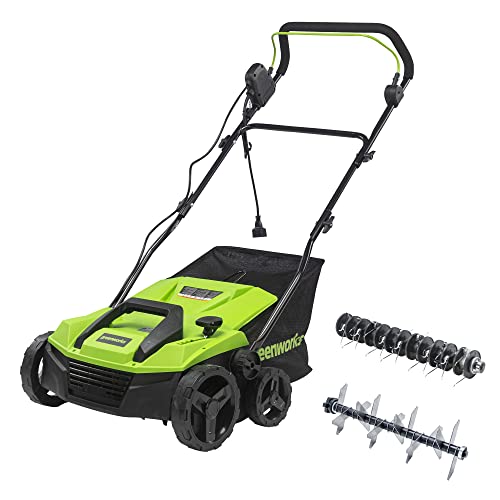
Greenworks 13 Amp 14-Inch Corded Dethatcher / Scarifier, 2-in-1 Electric Lawn Rake with 3-Position Depth Adjustment & Push-Button Start, Lawn Care Tool for Healthy Yard Maintenance
One of the home product options compared in this guide.
View on Amazon
Westinghouse 13" 12-Amp 2-in-1 Electric Dethatcher and Scarifier with Collection Bag
One of the home product options compared in this guide.
View on Amazon| Model | Key point from the title | Price tier | Best for |
|---|---|---|---|
| TIECTOWN 16-inch | 15.5A, 14.5-gallon bag, 5 depth positions | Premium | Larger lawns, fewer bag stops |
| Sun Joe AJ805E | 15-inch, 13A, scarifier blade reel | Premium | Mid-size yards, familiar brand |
| WEN DT1516 | 16-inch, 15A, collection bag | Premium | Buyers wanting a recognized name |
| Sun Joe AJ801E | 12.6-inch width, 12A, 8-gallon bag | Mid-range | Smaller yards |
| Greenworks 14-inch | 13A, 3 depths, push-button start | Mid-range | Easy starts, moderate lawns |
| Westinghouse 16-inch | 15A, 2-in-1, bag | Mid-range | Straightforward 16-inch option |
| TaskStar 16-inch | 15A, thatch rake, overload protection | Mid-range | Lawn renovation jobs |
| EWORK 17-inch | Tool-less blade swap, 5 depths | Budget | Wide pass for the price |
| BILT HARD 16-inch | 15A copper motor, 5 depths | Budget | Value-minded 16-inch buyers |
| Westinghouse 13-inch | 12A, 2-in-1, bag | Budget | Small lawns and tight gates |
Where electric dethatchers are heading
Corded dethatchers have settled into a familiar formula: a 12 to 15 amp motor, a rotating reel with interchangeable attachments, a rear bag and a lever for depth. The differences between brands are now mostly about working width, bag volume and how many depth positions the lever offers. Several newer names sell almost the same layout at lower prices, and some listings borrow wording from one another, so titles can look more distinct than the machines may be. Because specifications cluster in a narrow band, the more meaningful tiebreakers are the ones that shape how the work feels: handle height, how easily you can lift the front to turn, how the bag latches and how simple the depth lever is to use with gloves on.
Battery-powered versions exist in the wider market, but every unit here needs an outlet and an extension cord. That affects how you plan a yard, because a long cord drags across the grass you have just raked. Another change is the push toward tool-less blade swaps and bigger bags. Those features save time on a quarter-acre but matter less on a small townhouse lawn. If you are weighing machines against other yard tools, our guide to robot lawn mowers covers the routine-mowing side of the job.
How we compared them
This comparison draws on the published title text of each listing, manufacturer-style specifications and the general patterns buyers report. Nobody on the team used or measured these units. We do not rank by a score and we avoid dollar figures, because prices shift; the price tier column compares the ten listings only against each other. Any claim in a title, including motor amps, bag size and “upgrade” wording, is the seller’s, and we ask you to check the listing for everything else.
Scarifier or dethatcher, and what thatch really is
Thatch is a spongy layer of dead and living stems, roots and debris between the soil and the green blades. A thin layer is normal. A common rule of thumb says that a layer thicker than about half an inch can start to block water, air and fertilizer, though your local extension service can advise for your grass type.
A dethatcher usually uses flexible tines that comb through the surface and pull debris upward. A scarifier uses sharper, rigid blades that slice into the top of the soil and cut through the thatch. Most 2-in-1 electric machines in this roundup ship with, or accept, both reels. Scarifying is more aggressive and can leave a lawn looking rough for a couple of weeks, so many gardeners start with the milder reel and only move up if needed.
Machine by machine
TIECTOWN 16-Inch Electric Dethatcher and Scarifier
TIECTOWN is the premium-tier listing here, with a 16-inch width, 15.5-amp motor, a 14.5-gallon bag and five depth positions. The “upgrade” wording in the title is marketing, so read it as a seller claim until the page explains what changed.
Fifteen and a half amps on a household circuit is worth a thought: other tools or appliances on the same breaker can trip it, so plug into a circuit that is not shared with a freezer or a space heater.
A sensible use-scenario is a lawn of a few thousand square feet where a bigger bag means fewer emptying trips. The slightly higher amp rating is not a promise of better results, but it points toward a motor meant for dense turf.
- Pros: one of the largest stated bags in the group; five depth settings; 16-inch width.
- Cons: highest price tier; a full large bag is bulky to carry and dump.
Check the listing for weight, cord length and included reels. Question: do I really need the added bag capacity for my lawn size?
Sun Joe AJ805E 15-Inch Dethatcher with Scarifier Blade Reel
This Sun Joe model lists a 15-inch width, a 13-amp motor, a scarifier blade reel and a collection bag. The AJ805E code makes it easy to match with manuals and replacement reels. Compared with 15-amp competitors, its motor rating is lower on paper, but amp numbers alone do not decide performance.
Keep in mind the width is 15 inches, a size between the compact and full-width machines, so it is a natural pick if you find 16 inches slightly hard to maneuver around flower beds.
It suits a typical suburban front and back yard where you work in overlapping passes and want a recognizable brand in the shopping cart.
- Pros: clear model number; includes a scarifier reel; model code easy to cross-check.
- Cons: premium-tier price for a 13A rating; bag size not stated in the title.
Check the listing for the depth settings, bag volume and whether a dethatching reel is also included. Ask: does the bundled reel set cover both jobs I plan?
WEN DT1516 16-Inch Electric Dethatcher and Scarifier
The DT1516 is a 16-inch, 15-amp, 2-in-1 machine with a collection bag and a black finish. Titles in this segment tend to be short, and this one gives the three details most buyers want: width, motor and bag.
Its short title is not a flaw. It simply means the interesting questions, such as reel types and cord length, sit in the product description.
Think of it as a baseline for comparison: if a cheaper 16-inch listing does not clearly beat this on features, the extra money may not buy anything specific. It suits homeowners who want a standard configuration without needing to decode odd claims.
- Pros: concise, verifiable spec line; 2-in-1 design; familiar brand.
- Cons: premium-tier price; the title gives no depth-position count or bag volume.
Check the listing for depth settings and bag capacity. Question: is the extra cost over similar 16-inch units backed by listed features?
Sun Joe AJ801E Electric Dethatcher and Scarifier
The AJ801E has a 12.6-inch cutting width, a 12-amp motor and an 8-gallon bag. It is clearly the smaller of the two Sun Joe options. The title also calls it a “heavy-duty yard trimmer”, which is an odd label for a dethatcher; treat that wording as loose marketing.
A small to medium lawn with gates or narrow paths is where a narrower body helps. Plan on more passes and more bag stops than with a 16-inch machine.
If you are comparing it to the AJ805E, note that both come from the same brand, so decide mainly on width, bag size and price rather than assuming any quality gap.
- Pros: compact working width; manageable size for tight spaces; mid-range tier.
- Cons: smallest bag among the Sun Joe models; more passes for larger areas.
Check the listing for the depth lever design and reel types. Ask: is my lawn small enough that a 12.6-inch width will not feel slow?
Greenworks 14-Inch Corded Dethatcher / Scarifier
Greenworks lists a 14-inch width, 13-amp motor, three depth positions and push-button start. Fewer depth settings than the five-position models means less fine-tuning, but three is often enough for a basic spring and fall routine.
The push-button start is the notable feature: some users prefer it to a lever-and-trigger design. It fits a moderate lawn and an owner who values a simple control layout over a long feature list.
Because the title says 14 inches, expect somewhat more passes than a 16-inch machine on the same lawn, though the gap is small on a typical yard.
- Pros: push-button start; reasonable middle width.
- Cons: only three depth positions; bag size missing from the title.
Check the listing for what is included, since the title mentions a rake but not reels or the bag. Question: will three depth settings give me enough control?
Westinghouse 16-Inch 2-in-1 Electric Dethatcher and Scarifier
This listing spells out a 16-inch width, 15 amps, 2-in-1 operation and a collection bag, and nothing more. That leaves gaps on depth positions, bag size and cord length, so the product page matters here.
It sits in the mid-range, which makes it a plausible alternative to the premium 16-inch machines when your priority is the stated spec rather than the brand. A good scenario is a standard home lawn where one or two treatments per year is enough.
Since the title is short, it is also a good example of why we recommend reading the questions-and-answers section on any listing before ordering.
- Pros: 16-inch width; 15A motor; mid-range tier.
- Cons: sparse title; no stated adjustment details.
Check the listing for depth adjustment and the bag volume. Ask: can I confirm the missing specs before checkout?
TaskStar 16-Inch Dethatcher with Thatch Rake
TaskStar’s listing includes a 16-inch width, 15 amps, five depth positions, a 14.5-gallon bag and overload protection. It also mentions a thatch rake, which may be a hand tool, an attachment or a wording quirk, so confirm what arrives in the box.
Overload protection is helpful on dense or damp turf, since the motor may cut out rather than strain. It suits a renovation project where you plan to dethatch, then overseed.
Renovation here means pulling out thick thatch, then overseeding or topdressing, a job where a few extra depth options come in handy.
- Pros: overload protection; large bag; five depth settings.
- Cons: lesser-known brand; unclear thatch rake detail.
Check the listing for warranty and included parts. Question: what exactly is the thatch rake, and do I need it?
EWORK 17-Inch Electric Dethatcher and Scarifier
EWORK offers the widest working width here at 17 inches, with a 15-amp motor, tool-less blade replacement, five depth positions and a collection bag. A wider pass means fewer rows, which matters on a long lawn.
Tool-less blade changes are handy when you switch between dethatching and scarifying tines. In the budget tier, it is the one with the most detailed title for the price.
A wide body also means a bigger storage footprint, so measure the shed shelf or garage corner before you buy.
- Pros: widest pass; tool-less blade swap; five depth settings.
- Cons: less recognized brand; bag size not given in the title.
Check the listing for the bag volume and any warnings about overlapping cord. Ask: is a heavier, wider body easy for me to turn at the end of each row?
BILT HARD 16-Inch Dethatcher Scarifier
BILT HARD advertises a 16-inch width, a 15-amp copper motor, five depth positions and a 14.5-gallon bag. Its price tier is among the lowest in this roundup, yet the title lists the same headline specs as several pricier machines.
It suits a value shopper with a normal lawn who accepts a newer brand. The “copper motor” phrase is a seller claim, and copper windings are common in many motors, so it should not be treated as a special advantage.
The 16-inch width and 14.5-gallon bag put it in line with the mid-range and premium machines on paper, which is why it appeals to price-sensitive buyers.
- Pros: strong spec line for the price; large bag; five depth settings.
- Cons: newer brand with less service reputation to lean on; no cord length in the title.
Check the listing for warranty terms and parts availability. Question: who supports this machine if a reel wears out?
Westinghouse 13-Inch Electric Dethatcher and Scarifier
The smaller Westinghouse has a 13-inch width and a 12-amp motor in a 2-in-1 design with a collection bag. It sits at the lowest price tier here and gives up working width for it.
A townhouse lawn or a narrow side yard is where this size makes sense. If your lawn is larger, the extra passes will add up quickly.
It is also the easiest of the group to store, which matters in a small shed or a condo garage where a full-size machine would be in the way.
- Pros: lowest price tier; compact; simple 2-in-1 concept.
- Cons: narrow width; the title does not list depth settings or bag size.
Check the listing for weight and storage dimensions. Ask: will a 13-inch pass feel too slow on my lawn?
What to look for before you buy
Working width and lawn size
A wider pass covers ground faster but is heavier and harder to turn. As a rough planning figure, a 16-inch machine at a walking pace might cover a few thousand square feet in under an hour of actual work, but this is an estimate and depends on thatch depth and stops.
Motor amps and overload protection
Amp ratings range from 12 to 15.5 here. Higher numbers suggest more electrical draw rather than guaranteed performance. Overload protection can help prevent motor damage, but it does not replace letting the machine rest on thick patches.
Depth adjustment and blade type
Five positions give finer control than three, and a lever you can reach without bending is easier to use. Check whether the reel set includes both dethatching tines and scarifier blades or only one.
Bag size and emptying
An 8-gallon bag fills sooner than a 14.5-gallon bag, but a full large bag is heavy. Mesh bags clog with wet debris, so choose a dry day.
Grass type and timing
Cool-season lawns such as fescue or bluegrass generally recover best when treated in early fall or in spring. Warm-season grasses like bermuda or zoysia are usually treated once they are growing strongly in late spring. If your thatch layer is thin, you may not need a machine at all, since a stiff leaf rake can be enough. Cut out a small plug of turf and measure the spongy layer before deciding.
Weight, noise and storage
Electric dethatchers are loud enough to warrant hearing protection, and a full bag adds noticeable weight. Folding handles help with storage. If you have to carry the machine up steps or through a gate, check the listed weight, which is not given in most of these titles.
Cord, power and safety
You will need an outdoor-rated extension cord suited to the machine’s amp draw and length. Use a GFCI-protected outlet, keep the cord behind you, wear eye and ear protection, and unplug before clearing jams or changing reels. Follow the manufacturer’s instructions and local codes for outdoor power use.
Worked example: choosing for a 5,000 sq ft lawn
Assumptions: a 5,000 square foot rectangular lawn, a 16-inch working width and overlapping passes that reduce the effective width to about 14 inches (1.17 ft). Total walking distance is about 5,000 divided by 1.17, or roughly 4,300 feet. At a steady 1.5 feet per second, that is close to 48 minutes of pure walking, before bag stops. A 13-inch machine with a 12-inch effective width would need about 5,000 feet. With an 8-gallon bag, you might empty it several times; a 14.5-gallon bag cuts those stops. These are estimates for planning, not measured results.
| Spec concept | What to look for | Why it matters |
|---|---|---|
| Working width | 14 to 17 inches for most yards | Fewer passes, less time |
| Motor rating | 12 to 15 amps, with overload protection | Handles thicker thatch |
| Depth positions | Three to five with an easy lever | Adjust as turf recovers |
| Bag capacity | 8 to 14.5 gallons | Fewer emptying trips |
| Cord and safety | Outdoor cord and GFCI outlet | Reduces shock risk |
Care and maintenance tips
Clear tines or blades of grass after each session, check for bent or dull parts and keep the housing free of wet clippings. Store the machine dry and wrap the cord loosely. Dethatch when the grass is actively growing and the soil is moist but not soggy; for many cool-season lawns that means early fall or spring, while warm-season grasses are usually treated in late spring, though local advice varies. Mow shorter than usual beforehand, rake up loosened debris and plan to overseed or fertilize afterward.
A simple dethatching routine
Walk the lawn first and pick up sticks, toys and stones. Mow a little lower than normal, then set the depth to the shallowest position and make one pass in a straight line. Look at what comes up: a thin scatter of debris means the setting is fine, while torn-up soil and exposed roots mean it is too deep. Work in parallel rows with a slight overlap, then go over the area again at a right angle if the thatch is heavy.
Rake or bag everything, water lightly and overseed bare patches. Keep foot traffic down for a couple of weeks while the grass fills in. If the lawn looks worse than expected, do not panic; the first few days after scarifying are rarely pretty. Give it time and consistent watering before judging the result.
Mistakes buyers make
Choosing the cheapest unit without checking the reel set is the most common slip. Some listings mention one blade type and leave you guessing about the other. Next is cord length: a short cord and a long lawn is a recipe for frustration, and a thin extension cord can overheat. People also dethatch at the wrong time, such as in a summer drought, which can stress the grass. Finally, buyers set the depth too deep on the first pass; start shallow, check what comes up and adjust gradually. Another slip is dethatching a lawn that does not need it, which stresses grass for little gain, and ignoring slopes, where a corded machine can be tricky to control. This article is general information, not agronomic advice for your specific grass type.
Verdict by use case
For a large lawn, the TIECTOWN and the EWORK stand out on paper for bag size and width, respectively. For a standard 16-inch machine from a recognizable name, the WEN DT1516 and the two 16-inch Westinghouse and TaskStar units are the main contenders, and BILT HARD costs less on similar headline specs. Small yards suit the Sun Joe AJ801E or the 13-inch Westinghouse, while the Greenworks suits anyone who prefers a push-button start. Whichever you pick, verify the missing specs on the listing first.
If you are still unsure, write down three numbers before you shop: the approximate square footage of your lawn, the length of cord you will realistically need and the largest gate or path the machine must pass through. Those three figures eliminate most of the ten options within a minute.
Related guides
- Cordless Vacuum For Pet Hair On Carpet And Hardwood Under 500
- Black Friday Cyber Monday Robot Vacuum Deals
- Dehumidifier For Finished Basement
Frequently asked questions
What is the difference between a dethatcher and a scarifier?
A dethatcher typically uses flexible tines to comb up dead material from the surface, while a scarifier uses rigid blades that slice into the top of the soil. Scarifying is more aggressive and can leave a lawn looking rough for a while. Many electric machines in this roundup are 2-in-1 and accept both reels, so check the listing to see which come in the box.
How often should I dethatch my lawn?
Most lawns only need it occasionally, often once a year or less, and only when the thatch layer gets thick. A common rule of thumb is to act when the layer exceeds about half an inch. Grass type, soil and watering habits all affect buildup, so a local extension office can give more specific timing. Avoid dethatching during drought or extreme heat. Walk the lawn and check the turf first.
Can an electric dethatcher handle a large lawn?
It can, but expect more passes and bag stops as the area grows. Corded machines are limited by cord length, so you may need to move your outlet point several times. A wider working width and a bigger bag reduce effort. For very large properties, many owners consider other equipment or professional services, so compare time against cost. Plan breaks for the cord.
When is the best time to dethatch?
Generally when the grass is actively growing and the soil is moist but not soggy. For many cool-season lawns that means early fall or spring, while warm-season grasses are often treated in late spring or early summer. Local conditions vary, so check regional guidance. Plan to overseed or fertilize afterward so the lawn can recover quickly. Check your grass type first.
Do I need to bag the thatch?
Yes, in most cases you should collect it. Leaving loosened debris on the lawn can smother the grass and slow recovery. The bags on these machines catch much of it, but you may still need to rake what the machine leaves behind. Compost small amounts if your local rules allow, and dispose of the rest according to local yard-waste guidance. Wear gloves while raking.
What safety steps should I follow with a corded dethatcher?
Use an outdoor-rated extension cord suited to the machine’s amp draw, plug into a GFCI-protected outlet and keep the cord behind you. Wear eye and ear protection and sturdy shoes, and unplug the machine before clearing jams or changing reels. Keep children and pets away, and follow the manufacturer’s instructions and local codes. Never touch the reel while it spins.