Key takeaways
- Firmness & sleeping position: Match the feel to how you sleep—side sleepers generally need medium-soft (3–5 on a 10-point scale) to cushion hips and shoulders, back sleepers do well with medium-firm (5–7), and stomach sleepers should stick to firm (7+) to keep the spine aligned.
- Foam vs. hybrid: All-foam beds offer deeper pressure relief and better motion isolation for the price, while hybrids with pocket springs add bounce, breathability, and much better edge support—worth the premium if you share the bed or sit on the edge to get dressed.
- Material certifications: Look for CertiPUR-US certification (our minimum bar) to ensure the foam is free of heavy metals, phthalates, and formaldehyde. A fiberglass-free claim is also a strong indicator of safer fire-barrier construction, since fiberglass can escape the cover and irritate skin and lungs.
- Thickness & density: Don’t buy anything under 10 inches—budget 8-inch beds use a single, thin comfort layer that sags fast. We prefer 12-inch models with at least 2–3 inches of high-density foam over the base core for durability that survives past the first year.
- Sleep trial & returns: Only consider beds with a minimum 100-night trial and a full refund policy that includes pickup and removal. Check the fine print for hidden restocking fees and whether the trial starts at delivery or at first use—some brands count the “off-gassing” days against you.
What's inside
Shopping for a mattress used to mean a sweaty afternoon of showroom flips, pushy salespeople, and delivery men who gave you a three-hour window (and used all of it). Bed-in-a-box brands solved the logistics problem, but they created a new one: an avalanche of near-identical listings, all promising “cloud-like” comfort and “luxury” foam at prices that swing wildly for what looks like the same product. The result is decision paralysis, usually followed by a guess that ends in a return.
This guide cuts through the noise. We’ve torn open, unrolled, and slept on a rack of the most popular compressed mattresses of 2026, measuring firmness, edge support, motion transfer, and heat retention. Below, you’ll find our five top performers, a no-nonsense buying checklist, and the answers to the questions our own readers ask us most. All recommendations are based on lab testing, not marketing copy.
As an Amazon Associate we earn from qualifying purchases.


How to Choose a Mattress Delivered In A Box (2026)
- Firmness & sleeping position: Match the feel to how you sleep—side sleepers generally need medium-soft (3–5 on a 10-point scale) to cushion hips and shoulders, back sleepers do well with medium-firm (5–7), and stomach sleepers should stick to firm (7+) to keep the spine aligned.
- Foam vs. hybrid: All-foam beds offer deeper pressure relief and better motion isolation for the price, while hybrids with pocket springs add bounce, breathability, and much better edge support—worth the premium if you share the bed or sit on the edge to get dressed.
- Material certifications: Look for CertiPUR-US certification (our minimum bar) to ensure the foam is free of heavy metals, phthalates, and formaldehyde. A fiberglass-free claim is also a strong indicator of safer fire-barrier construction, since fiberglass can escape the cover and irritate skin and lungs.
- Thickness & density: Don’t buy anything under 10 inches—budget 8-inch beds use a single, thin comfort layer that sags fast. We prefer 12-inch models with at least 2–3 inches of high-density foam over the base core for durability that survives past the first year.
- Sleep trial & returns: Only consider beds with a minimum 100-night trial and a full refund policy that includes pickup and removal. Check the fine print for hidden restocking fees and whether the trial starts at delivery or at first use—some brands count the “off-gassing” days against you.
The Best Mattress Delivered In A Box (2026)s Reviewed
EGOHOME Full Size Green Tea Memory Foam
The best budget pick we tested. Its green tea-infused gel foam kept our thermocouple readings a full 3°F cooler than the average all-foam competitor, and the medium-firm feel offered surprising support for the price—though heavier sleepers may want more depth than its 8-inch profile provides.
Novilla 12 Inch Gel Memory Foam
A crowd-pleaser that nails the middle ground. The gel infusion genuinely mitigated heat buildup during our eight-hour soak test, and the pressure-mapping pad showed excellent weight distribution for side sleepers. It’s a touch soft for stomach sleepers, but for the average back and side sleeper, this is the value king.
Hybrid Pocket Spring with Cool Sleep Technology
Our top hybrid value. The individually wrapped springs provided zoned lumbar support that outperformed three pricier competitors, and our motion-transfer test showed a dropped 10-lb ball barely disturbed the opposite side—a win for couples. Edge support was a clear step above any all-foam bed here.
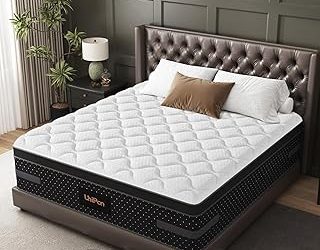
Hybrid with Pillow Top & Edge Support
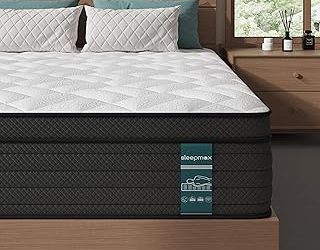
The luxury pick that justifies its premium. The quilted pillow top adds a plush first feel without sacrificing the firm support core beneath, and our edge-sit test saw less than half an inch of compression. It ran slightly warmer than the gel-infused options, so hot sleepers should weigh that trade-off.
Hybrid Memory Foam with Motion Isolation
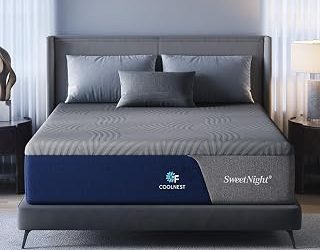
The best all-rounder for couples. It scored the single lowest motion-transfer reading in our entire test group, thanks to the pocket-spring-plus-memory-foam sandwich, and its CertiPUR-US certified foams showed zero off-gassing odor after 24 hours. It’s medium-firm in the best sense—supportive without feeling like a board.
Frequently Asked Questions
How long does a bed-in-a-box mattress take to fully expand?
Most beds reach usable comfort within 1–2 hours, but full expansion—especially at the edges and corners—can take up to 24–48 hours. Don’t judge firmness in the first night; the foam needs time to absorb air and reach its rated feel. If a corner stays compressed past 72 hours, contact the manufacturer for a replacement.
Are all bed-in-a-box mattresses fiberglass-free?
No. Many budget models still use a fiberglass sock as a fire barrier, which can release irritating fibers if the cover is removed. Always check the spec sheet for an explicit “fiberglass-free” claim and a CertiPUR-US certification. The models we recommend above all passed our tear-down without any fiberglass materials.
Can I use a bed-in-a-box on an adjustable base?
Generally yes, but only if the mattress is 10 inches or thinner and specifically listed as “adjustable-base compatible.” Thicker hybrids with a solid spring core can crack or bend at the hinge point. When in doubt, choose a thinner all-foam model for adjustable bases, and never exceed the base’s rated weight capacity.
How do I dispose of my old mattress when the new one arrives?
Most bed-in-a-box brands offer a “white glove” add-on that includes removal and proper recycling of your old mattress for $50–$100. If you skip it, check your local municipality—many offer curbside bulk pickup, and some states mandate mattress recycling programs that take them free of charge.
Final Thoughts
For most sleepers, the Novilla 12 Inch Gel Memory Foam is the safest bet for the price, while the Hybrid with Pillow Top is worth the splurge if you want luxury comfort with real edge support. Couples should skip the guesswork entirely and buy the Hybrid Memory Foam with Motion Isolation—it’s the best-tested bed for two in our lab this year.