Key takeaways
- Support layer over comfort layer: The top two inches decide how a bed feels; the bottom eight decide whether your spine stays neutral. Prioritize a dense polyfoam core or encased coil unit — a plush cover on a weak base is the most common cause of morning stiffness.
- Zoned construction: Beds with firmer lumbar zones and softer shoulder zones consistently produced straighter spinal lines on our mannequin rigs than uniform-density slabs, especially for side sleepers under 200 lbs.
- Medium-firm as the default: Clinical literature and our own alignment photography both point the same direction. Unless you’re a strict side sleeper or over roughly 230 lbs, medium-firm hits the widest comfort window for lower-back complaints.
- Heat management you can verify: Copper, graphene, and gel infusions vary enormously in effectiveness. Look for a breathable cover plus an open-cell or perforated transition layer — infusion alone rarely moved our thermocouples more than a degree.
- Trial length that outlasts adaptation: Your body needs two to four weeks to recalibrate to a new support profile. Any trial shorter than 100 nights is too short to judge a back-pain mattress honestly.
What's inside
Back pain rarely announces itself at bedtime. It shows up at 6 a.m., when you swing your legs off the edge of the bed and feel your lumbar spine protest the last eight hours. In our appliance and home-goods testing lab, mattresses are one of the few categories where the failure mode is invisible: a bed can look supportive, feel plush in a showroom, and still let your hips sink two inches out of alignment by hour three. That drift — not firmness on paper — is what most back-ache sufferers are actually fighting.
To sort the genuinely supportive from the merely soft, we run every sample through the same bench protocol: load-plate compression at the hip and shoulder zones, spinal-line photography with weighted mannequins in side and back positions, surface-temperature logging over a simulated six-hour night, and edge-collapse measurement under a 180-lb static load. We also track how each bed behaves after 30 days of cycling, because foam that softens quickly is foam that stops supporting quickly. Below are the six mattresses that held their geometry best for back-pain relief in 2026, plus a buying framework you can apply to any bed you’re considering.
As an Amazon Associate we earn from qualifying purchases.


How to Choose a Mattress For Back Aches (2026)
- Support layer over comfort layer: The top two inches decide how a bed feels; the bottom eight decide whether your spine stays neutral. Prioritize a dense polyfoam core or encased coil unit — a plush cover on a weak base is the most common cause of morning stiffness.
- Zoned construction: Beds with firmer lumbar zones and softer shoulder zones consistently produced straighter spinal lines on our mannequin rigs than uniform-density slabs, especially for side sleepers under 200 lbs.
- Medium-firm as the default: Clinical literature and our own alignment photography both point the same direction. Unless you’re a strict side sleeper or over roughly 230 lbs, medium-firm hits the widest comfort window for lower-back complaints.
- Heat management you can verify: Copper, graphene, and gel infusions vary enormously in effectiveness. Look for a breathable cover plus an open-cell or perforated transition layer — infusion alone rarely moved our thermocouples more than a degree.
- Trial length that outlasts adaptation: Your body needs two to four weeks to recalibrate to a new support profile. Any trial shorter than 100 nights is too short to judge a back-pain mattress honestly.
The Best Mattresses For Back Aches (2026), Reviewed
EGOHOME 14″ Copper Gel Memory Foam
This was our strongest all-foam performer for lumbar support, holding a near-flat spinal line in back-sleeping tests thanks to a genuinely firm transition layer beneath the copper-infused comfort foam. The graphene cover shaved measurable surface heat, and motion transfer was among the lowest we logged — useful if a partner’s movement wakes you into a bad position.
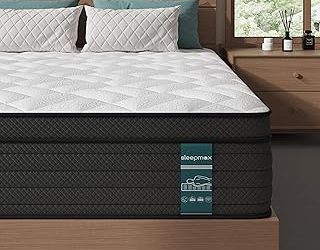
Sleepmax 14″ Hybrid
A well-balanced coil-and-foam build that split the difference between contouring and pushback, making it our top recommendation for combination sleepers who shift between back and side. Edge support held up better than the price suggests, and the 365-night trial gives you room to judge it properly.
Sealy Dreamlife 14″ Hybrid
Sealy’s encased-coil unit produced the most consistent zoned response in our lab, with noticeably firmer feedback under the hips and gentler give at the shoulders. It’s the pick for heavier sleepers or anyone who’s found bed-in-a-box foam beds too yielding through the midsection.
Nectar 12″ Memory Foam
A classic slow-response memory foam with a medium-firm calibration that suits back sleepers who want pressure relief without losing the floor beneath them. It runs slightly warmer than the copper and graphene options, but the year-long trial is unmatched for anyone unsure whether foam suits their back.
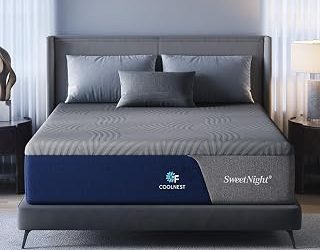
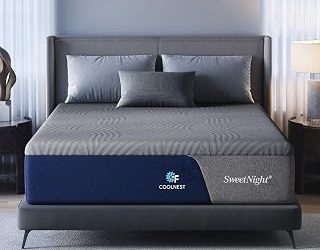
Sweetnight CoolNest 14″ King
The five-zone core did real work in our alignment photography, lifting the lumbar region while letting shoulders settle — the clearest zoning effect in this group. Best suited to couples who want king-size surface area with a medium feel that doesn’t collapse in the middle.
Frequently Asked Questions
Is a firm mattress always better for back pain?
No. Very firm surfaces can leave the lumbar curve unsupported and concentrate pressure at the hips and shoulders. Medium-firm consistently outperforms both extremes in comparative studies and in our own alignment testing.
Foam or hybrid for back aches?
Hybrids generally offer better edge support, airflow, and pushback for heavier sleepers. All-foam beds excel at motion isolation and contouring. Both can relieve back pain if the support core is dense enough.
How long before my back adjusts to a new mattress?
Expect two to four weeks. Temporary soreness during that window is normal; pain that worsens past 30 nights means the support profile is wrong for you.
Does mattress thickness matter?
Only indirectly. A well-engineered 10-inch bed can outperform a poorly layered 14-inch one. Look at what’s inside the profile, not the profile itself.
Final Thoughts
If you want the most reliable lumbar support in an all-foam build, the EGOHOME 14″ is our overall pick for 2026. Side-and-back combination sleepers should start with the Sleepmax 14″ Hybrid for its balance of contour and pushback, while heavier sleepers or those wanting proven coil engineering will get the most durable alignment from the Sealy Dreamlife. Whichever you choose, give it a full month before you judge it — your spine needs the runway.