Key takeaways
- Thickness: Choose 2 inches for a noticeable but controlled change, or 3 to 4 inches when the mattress feels exceptionally hard and you want substantial pressure relief.
- Material: Fiber and cotton toppers create a cushioned pillow-top surface, while memory foam contours more closely around the body and can reduce pressure at the hips and shoulders.
- Temperature: Hot sleepers should prioritize breathable fiber fill, ventilated foam, or cooling gel. Dense foam can feel warmer if the bedroom and bedding already retain heat.
- Support: A soft topper improves surface comfort, but it should not allow your hips to sink excessively. Side sleepers often prefer deeper cushioning, while stomach sleepers generally need a thinner layer.
- Fit and care: Check pocket depth against your mattress and topper combined. Fitted skirts, washable covers, and water resistance make installation and routine cleaning considerably easier.
What's inside
A hard mattress can leave you waking with pressure across your shoulders, hips, and lower back—even when the mattress itself is otherwise in good condition. A topper is often the quickest way to change that feel without replacing a costly bed, but thickness, material, heat retention, and fit all affect whether the upgrade feels genuinely comfortable.
From a home-appliance and sleep-product testing perspective, this guide focuses on the details that matter in everyday use: cushioning depth, surface breathability, support, construction quality, and how easily each topper fits a standard mattress. The selections below cover plush pillow tops, cooling memory foam, firmer support, and practical dorm-friendly designs.
As an Amazon Associate we earn from qualifying purchases.


How to Choose a Mattress Topper To Soften Hard Mattress (2026)
- Thickness: Choose 2 inches for a noticeable but controlled change, or 3 to 4 inches when the mattress feels exceptionally hard and you want substantial pressure relief.
- Material: Fiber and cotton toppers create a cushioned pillow-top surface, while memory foam contours more closely around the body and can reduce pressure at the hips and shoulders.
- Temperature: Hot sleepers should prioritize breathable fiber fill, ventilated foam, or cooling gel. Dense foam can feel warmer if the bedroom and bedding already retain heat.
- Support: A soft topper improves surface comfort, but it should not allow your hips to sink excessively. Side sleepers often prefer deeper cushioning, while stomach sleepers generally need a thinner layer.
- Fit and care: Check pocket depth against your mattress and topper combined. Fitted skirts, washable covers, and water resistance make installation and routine cleaning considerably easier.
The Best Mattress Topper To Soften Hard Mattress (2026)s Reviewed
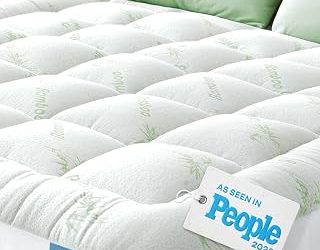
Niagara Sleep Solution Ultra Soft & Cooling Topper
This full-size bamboo-rayon topper is designed for shoppers who want a soft, lofty pillow-top feel rather than the close hug of memory foam. Its deep-pocket skirt suits thicker mattresses, while the breathable surface and generous cushioning make it a strong choice for hot sleepers who find a firm bed uncomfortable.
Extra Thick Cotton Pillow Top Mattress Pad
The queen-size cotton topper adds gentle cushioning with a breathable, familiar feel that does not dramatically alter the mattress’s underlying support. It is a sensible pick for sleepers who want to take the edge off firmness while keeping the bed relatively easy to move around on.
Lucid 4-Inch Gel Memory Foam Topper
With four inches of ventilated, gel-infused memory foam, this queen-size topper makes the most substantial comfort change in the group. It is particularly well suited to side sleepers and anyone dealing with pronounced pressure points, although its deeper contouring may feel too enveloping for people who prefer a responsive sleep surface.
Lucid 2-Inch Gel Memory Foam Topper
This thinner queen-size option uses five comfort zones and cooling gel to soften a hard mattress without completely changing its character. It offers a useful middle ground for back and combination sleepers who want extra pressure relief but still need easier movement and stable support.
BedStory 3-Inch Firm Memory Foam Topper
The BedStory topper uses high-density memory foam for cushioning with a more supportive, less pillow-like feel than a fiber pad. It is worth considering when a mattress is hard and unsympathetic but the sleeper still wants controlled body support rather than maximum softness.
Frequently Asked Questions
Will a mattress topper soften an extremely firm mattress?
Yes, though the result depends on the topper’s thickness and construction. A 3- or 4-inch memory foam model creates the biggest change, while a cotton or fiber pad provides a lighter layer of surface cushioning.
Is memory foam or cotton better for a hard mattress?
Memory foam is usually better for pressure relief because it conforms around the body. Cotton and fiber toppers tend to feel cooler, airier, and easier to move on, but they may compress sooner and provide less contouring.
How thick should a topper be for side sleeping?
Most side sleepers benefit from roughly 3 to 4 inches, especially when the mattress creates pressure at the shoulder or hip. A thinner topper can work if the mattress is only moderately firm or if the sleeper prefers a stable feel.
Why does my new topper slide or bunch up?
Movement is often caused by an undersized fitted skirt, a smooth mattress cover, or a topper that is not fully expanded and positioned. Confirm the combined mattress depth, center the topper carefully, and use a snug sheet that accommodates both layers.
Final Thoughts
For the plushest transformation, the Lucid 4-Inch Gel Memory Foam Topper is the most cushioning-focused choice. The Niagara Sleep Solution topper is a better fit for airy pillow-top comfort, while the Lucid 2-Inch Gel Memory Foam Topper offers a balanced way to soften firmness without adding excessive height.