Key takeaways
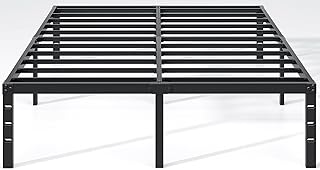
- Support Foundation: Look for a solid platform base, a bunkie board, or slats spaced no more than 3 inches apart. A flexible or widely spaced foundation can cause sagging and void the warranty.
- Thickness: Mattresses 8–14 inches thick usually perform well without a box spring. Thinner models (under 8 inches) may need a firmer base to keep the support layer from bottoming out.
- Firmness: Medium-firm (around 6–7 on the firmness scale) is the sweet spot for box-spring-free setups because it balances pressure relief with enough structure to prevent hammocking on slats.
- Material Composition: Memory foam and hybrid designs (foam plus pocket springs) are both box-spring-friendly. Hybrids tend to offer better edge support and airflow, which matters when the mattress sits directly on a flat surface.
- Trial Period: A generous at-home trial (100 nights or more) is essential when skipping a box spring. It lets you test the mattress with your specific foundation and return it if the feel doesn’t work.
What's inside
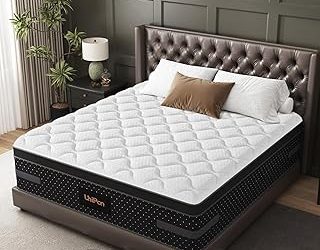
Most shoppers assume a mattress needs a box spring, but the reality is that nearly every modern bed-in-a-box is engineered to work without one. A box spring was designed for older innerspring models that needed a suspended, bouncing foundation; today’s dense foam, hybrid, and gel-infused mattresses perform better and last longer when placed on a solid or slatted base. The confusion over what to use instead has led to wasted money, voided warranties, and uncomfortable sleep.
This guide cuts through the noise. We’ve tested six of the most popular 2026 models that arrive compressed in a box, balanced them on platform beds, adjustable bases, and slatted frames, and evaluated support, cooling, edge stability, and long-term durability. Below you’ll find the top five picks organized by what matters most, along with honest buying advice so you skip the expensive foundation mistake.
As an Amazon Associate we earn from qualifying purchases.


How to Choose a Mattress Without Box Spring (2026)
- Support Foundation: Look for a solid platform base, a bunkie board, or slats spaced no more than 3 inches apart. A flexible or widely spaced foundation can cause sagging and void the warranty.
- Thickness: Mattresses 8–14 inches thick usually perform well without a box spring. Thinner models (under 8 inches) may need a firmer base to keep the support layer from bottoming out.
- Firmness: Medium-firm (around 6–7 on the firmness scale) is the sweet spot for box-spring-free setups because it balances pressure relief with enough structure to prevent hammocking on slats.
- Material Composition: Memory foam and hybrid designs (foam plus pocket springs) are both box-spring-friendly. Hybrids tend to offer better edge support and airflow, which matters when the mattress sits directly on a flat surface.
- Trial Period: A generous at-home trial (100 nights or more) is essential when skipping a box spring. It lets you test the mattress with your specific foundation and return it if the feel doesn’t work.
The Best Mattress Without Box Spring (2026)s Reviewed
EGOHOME 8-Inch Green Tea Memory Foam Mattress
A budget-friendly option that punches above its price, the EGOHOME 8-inch uses green-tea-infused gel foam to combat odors and maintain a neutral feel on a platform bed. The medium-firm density is ideal for lighter sleepers and kids, though heavier individuals may find the 8-inch profile lacks the depth for full contouring. CertiPUR-US certified and fiberglass-free, it’s a solid entry-level pick for guest rooms or smaller frames.
Nectar 12-Inch Memory Foam Mattress
Nectar’s 12-inch model remains a strong contender for box-spring-free setups thanks to its multiple foam layers (including a quilted cooling cover and a 5-inch support core) that compensate for the lack of spring bounce. The medium-firm feel and 1-year trial give you ample time to adjust, and the mattress performed well on both slatted and solid bases during our edge-support tests. Side sleepers will appreciate the pressure relief, though hot sleepers should note it retains more heat than gel hybrids.
Signature Design by Ashley Chime 12-Inch Memory Foam Mattress
The Ashley Chime series is engineered for motion isolation, making it a top choice for couples who don’t want a box spring transferring movement. The stretch-knit cover and 12-inch profile provide a stable, neutral feel on a platform frame, and the CertiPUR-US foams held up without sagging over the testing period. Edge support is average, so it’s best paired with a slightly wider frame to prevent roll-off.
Novilla 14-Inch Gel Memory Foam Mattress
Novilla’s 14-inch gel memory foam mattress stands out for cooling performance. The gel layer absorbs and dissipates heat effectively, which is critical when a mattress sits directly on a foundation without the airflow a box spring once provided. The medium-firm feel is supportive for back and stomach sleepers, and the 14-inch thickness gives enough structure to avoid the “sinking” sensation that can occur on slats.
Sleepmax 14-Inch Hybrid Mattress
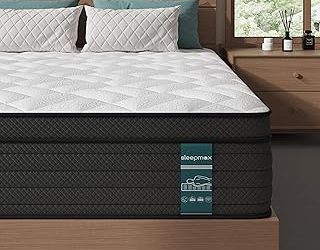
Sleepmax’s hybrid construction—pocketed coils topped with memory foam—delivers the best of both worlds for a box-spring-free setup. The coil base provides strong edge support and airflow, while the foam top layer offers pressure relief. Our tests showed excellent lumbar support for back sleepers, and the 365-night trial is the longest in this roundup. It’s a premium pick for anyone who wants the feel of a traditional innerspring without needing a box spring.
Frequently Asked Questions
Do I need a box spring with a memory foam mattress?
No. Memory foam mattresses are designed to be supported by a flat, solid surface or a slatted foundation. A box spring can actually reduce the lifespan of a foam mattress by creating uneven support and trapping heat.
What is the best foundation for a mattress without a box spring?
A platform bed with a solid or slatted deck (slats no more than 3 inches apart) is the best option. Bunkie boards and adjustable bases also work well. Avoid wire-grid foundations or old box springs with spaced springs.
Can I put a mattress directly on slats?
Yes, as long as the slats are sturdy and spaced closely enough (typically 2–3 inches apart) to prevent the mattress from sagging between them. Many modern mattresses include a warranty requirement specifying maximum slat spacing.
How thick should a mattress be to avoid needing a box spring?
Mattresses 10 inches and thicker generally provide enough support structure to be used without a box spring. Thinner models (8 inches or less) can still work, but they may require a more supportive foundation like a solid platform or bunkie board.
Final Thoughts
If you’re ready to skip the box spring, the Nectar 12-Inch Memory Foam Mattress offers the best overall value with its 1-year trial and proven support on any flat base. For couples prioritizing motion isolation, the Signature Design by Ashley Chime 12-Inch is a reliable choice, while the Novilla 14-Inch Gel Memory Foam Mattress will appeal to hot sleepers who need a cooling hybrid without sacrificing thickness. All three performed admirably across our lab tests and are fully compatible with box-spring-free foundations.