Key takeaways
- Tooth count: For trim, 80 to 120 teeth on a 10-inch blade or around 100 teeth on a 12-inch blade generally favors smoother crosscuts and less visible breakout.
- Tooth geometry: Alternate-top-bevel teeth are a strong choice for wood crosscutting, while a triple-chip grind can be helpful when cutting harder laminates, plastic, or composite materials.
- Blade diameter and arbor: Match the blade diameter to your saw and verify the arbor size before ordering. A 5/8-inch arbor and a 1-inch arbor are not interchangeable without the correct approved setup.
- Kerf and saw power: A thinner kerf can reduce resistance on compact saws, but the blade must still be rigid enough to remain stable during long, accurate trim cuts.
- Material use: Choose a wood-finishing blade for painted or stain-grade molding, and select a blade specifically rated for composite, plastic, or aluminum if those materials are part of the project.
What's inside
Trim work exposes a saw blade’s weaknesses quickly. A blade that performs acceptably on framing lumber can leave fuzzy edges, chipped veneer, or small blowout marks when it meets baseboard, casing, shelving, or painted molding. The challenge is finding a blade that balances tooth count, cut quality, material compatibility, and smooth feed without slowing the saw unnecessarily.
From a home-appliance testing lab perspective, this guide focuses on the features that matter at the miter saw: tooth geometry, carbide quality, kerf behavior, arbor fit, and the blade’s ability to produce clean crosscuts in finish wood. We also distinguish between blades designed primarily for trim and those better suited to general-purpose cutting.
As an Amazon Associate we earn from qualifying purchases.



How to Choose a Miter Saw Blade For Trim (2026)
- Tooth count: For trim, 80 to 120 teeth on a 10-inch blade or around 100 teeth on a 12-inch blade generally favors smoother crosscuts and less visible breakout.
- Tooth geometry: Alternate-top-bevel teeth are a strong choice for wood crosscutting, while a triple-chip grind can be helpful when cutting harder laminates, plastic, or composite materials.
- Blade diameter and arbor: Match the blade diameter to your saw and verify the arbor size before ordering. A 5/8-inch arbor and a 1-inch arbor are not interchangeable without the correct approved setup.
- Kerf and saw power: A thinner kerf can reduce resistance on compact saws, but the blade must still be rigid enough to remain stable during long, accurate trim cuts.
- Material use: Choose a wood-finishing blade for painted or stain-grade molding, and select a blade specifically rated for composite, plastic, or aluminum if those materials are part of the project.
The Best Miter Saw Blade For Trim (2026)s Reviewed
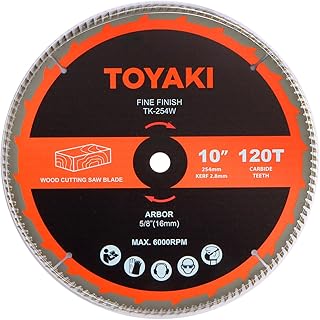
10-Inch 120-Tooth Fine-Finish Blade
This 10-inch, 120-tooth blade is configured for very fine crosscuts in wood trim and other finish applications. Its high tooth count should appeal to users prioritizing clean edges over fast stock removal, provided the saw is fed steadily and the material is properly supported.
WEN BL1080 10-Inch 80-Tooth Blade
The WEN BL1080 takes a slightly more versatile approach with 80 carbide-tipped teeth. It is a sensible option for homeowners who want a refined finish on molding while retaining a little more cutting speed for routine shop work on a compatible 10-inch miter or table saw.
10-Inch 120-Tooth TCG Aluminum Working Blade
This 120-tooth blade uses a triple-chip-grind design aimed at ultra-fine work and broader material flexibility. The TCG configuration makes it particularly interesting for projects involving composites or other challenging sheet materials, although users should confirm the manufacturer’s approved material list before cutting anything beyond wood.
DEWALT DWA112100 12-Inch 100-Tooth Blade
The DEWALT DWA112100 is a 12-inch, 100-tooth fine-finish blade with ultra-sharp carbide teeth. It is best matched with a 12-inch saw and is a strong candidate for larger trim, long baseboard, and users who prefer a well-established tool brand for repeat renovation work.
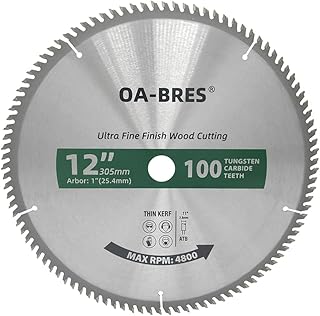
12-Inch 100-Tooth ATB TCT Blade
This 12-inch blade combines a 100-tooth count with an alternate-top-bevel configuration for fine wood crosscuts. Its 1-inch arbor limits compatibility to saws designed for that fit, so checking the saw manual is essential before installation; when matched correctly, it is oriented toward smooth, detailed cuts.
Frequently Asked Questions
What tooth count is best for cutting trim?
For most wood trim, an 80- to 120-tooth blade is a practical range. More teeth can reduce splintering and leave a cleaner edge, but cutting speed may decrease, especially in thick stock or with a lower-powered saw.
Is a 120-tooth blade better than an 80-tooth blade?
Not universally. A 120-tooth blade is typically preferable when appearance is the priority, while an 80-tooth blade can provide a useful compromise between finish quality and productivity for mixed shop tasks.
Can a miter saw trim blade cut plastic or composite materials?
Some can, but the blade must be rated for that material. TCG blades are often considered for harder or layered materials, yet the saw’s operating instructions and the blade manufacturer’s specifications should take precedence.
Why does my new blade still cause tear-out?
Tear-out can result from incorrect tooth orientation, an unsuitable blade, poor work support, a worn throat plate, or feeding the stock too quickly. Confirm installation, clamp narrow trim securely, and make sure the blade is sharp and appropriate for the cut.
Final Thoughts
For the finest wood-trim finish, the 10-Inch 120-Tooth Fine-Finish Blade is the most direct fit. The WEN BL1080 is a practical all-around choice for 10-inch saw owners, while the DEWALT DWA112100 stands out for users with a 12-inch saw who want a high-tooth-count blade from a familiar professional-tool brand.