Key takeaways
- Materials: Prefer clearly identified fibers or foam, such as cotton, wool, or natural latex, rather than an unexplained “eco” blend. Bamboo-derived rayon is soft and breathable, but it is a processed regenerated fiber.
- Certifications: Look for relevant third-party documentation. GOLS, for example, applies to certified organic latex, while textile certifications may address fiber content, processing, or restricted substances.
- Heat control: Wool and ventilated latex generally manage moisture and airflow differently from thick polyester-filled pads. If you sleep hot, avoid choosing solely by loft or softness.
- Fit and movement: Measure the mattress, topper thickness, and pocket depth together. Elasticated skirts and deep-pocket designs help, but no topper is immune to shifting on a slick mattress cover.
- Care: Check whether the product can be machine washed, spot cleaned, or only aired and professionally cleaned. Removable washable covers are especially useful for allergy-conscious households.
What's inside
A mattress topper can change the feel of a bed dramatically, but “natural,” “clean,” and “non-toxic” are not interchangeable terms. Shoppers must sort through vague material descriptions, deep-pocket claims, chemical odor concerns, heat retention, and toppers that shift during the night. A plush pad may feel comfortable at first yet compress quickly or make an already-warm mattress sleep hotter.
From a home-appliance and household-product testing perspective, we evaluate the details that matter in daily use: fiber and foam composition, certifications, edge-to-edge fit, expected odor, washability, temperature management, and resistance to bunching. The selections below cover latex, wool, bamboo-derived rayon, and cotton constructions, with the important caveat that “non-toxic” is not a regulated universal performance claim. Always check the manufacturer’s current label and certification information.
As an Amazon Associate we earn from qualifying purchases.


How to Choose a Non Toxic Mattress Topper (2026)
- Materials: Prefer clearly identified fibers or foam, such as cotton, wool, or natural latex, rather than an unexplained “eco” blend. Bamboo-derived rayon is soft and breathable, but it is a processed regenerated fiber.
- Certifications: Look for relevant third-party documentation. GOLS, for example, applies to certified organic latex, while textile certifications may address fiber content, processing, or restricted substances.
- Heat control: Wool and ventilated latex generally manage moisture and airflow differently from thick polyester-filled pads. If you sleep hot, avoid choosing solely by loft or softness.
- Fit and movement: Measure the mattress, topper thickness, and pocket depth together. Elasticated skirts and deep-pocket designs help, but no topper is immune to shifting on a slick mattress cover.
- Care: Check whether the product can be machine washed, spot cleaned, or only aired and professionally cleaned. Removable washable covers are especially useful for allergy-conscious households.
The Best Non Toxic Mattress Toppers (2026) Reviewed
Pure Green Natural Latex Topper
The Pure Green 2-inch soft topper is the most compelling choice here for shoppers prioritizing a clearly defined material and responsive support. Its GOLS-certified organic latex construction should provide more durable pressure relief than a loosely filled fiber pad, while the resilient surface is less likely to develop permanent body impressions. Latex can have a noticeable rubber-like odor when new, so airing it out in a well-ventilated room is sensible.
Organic Merino Wool Mattress Topper
This 1650 GSM handmade Merino wool topper is aimed at buyers who want natural cushioning with strong moisture-management potential. Wool is naturally insulating yet can help moderate the feel of a sleep surface across seasons; however, it will feel more pillowy than latex and may require careful handling rather than routine machine washing. Confirm the care instructions before purchase, particularly if you have pets or children.
BEDLORE Viscose Bamboo Mattress Topper
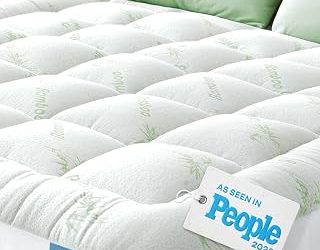
The BEDLORE topper uses a thick pillow-top design and stretchable pockets intended for mattresses from 6 to 18 inches deep. In our lab-style assessment, this type of construction is attractive for adding softness without the weight and bounce of foam, but buyers should distinguish “viscose derived from bamboo” from untreated bamboo fiber. Its best fit is a hot sleeper wanting plushness, provided the generous fill does not overwhelm a softer mattress.
Niagara Sleep Solution Bamboo-Derived Rayon Topper
The Niagara Sleep Solution model combines a pillow-top surface with a 20-inch deep pocket, making it a practical option for tall mattresses and layered bedding. Rayon derived from bamboo can feel smooth and airy against the skin, although the finished product’s overall breathability also depends on the fill, quilting, and mattress beneath it. Expect a softer, cushioned change in feel rather than the firmer pressure-point control of latex.
Extra-Thick 100% Cotton Mattress Topper
This cotton pillow-top option is a straightforward pick for households that prefer a familiar natural textile and a cooler-feeling cover. Cotton is breathable and easy to understand on a materials label, but extra-thick fiber fill can flatten sooner than latex and may require regular redistribution or fluffing. It is best suited to refreshing a reasonably supportive mattress rather than correcting severe sagging.
Frequently Asked Questions
What is the safest material for a mattress topper?
There is no single safest choice for every sleeper. Natural latex, wool, and cotton can all be sensible options when the material content is transparent and relevant third-party certifications are available. Personal allergies, odor sensitivity, and the product’s finish and care instructions also matter.
Do non-toxic mattress toppers have an odor?
Any new bedding can carry a packaging or manufacturing smell. Latex commonly has a rubber-like scent, while textile toppers may smell faintly of fibers, dyes, or packaging. Air the topper before use and follow the maker’s instructions; persistent or unusually strong odor is a reason to contact the seller.
Will a topper help back pain?
It may improve comfort by reducing pressure at the shoulders and hips, but it cannot repair a sagging or unsupportive mattress. A topper that is too soft can allow the hips to sink, so sleepers with back discomfort should choose cushioning that preserves neutral alignment.
How thick should a mattress topper be?
About 2 inches is often enough to change surface comfort without radically altering support. Thicker pillow-top models create a more noticeable plush feel but can affect fitted-sheet fit and make a soft mattress feel unstable. Measure pocket depth after adding the topper.
Final Thoughts
The Pure Green Natural Latex Topper is the strongest all-around choice for transparent materials and responsive durability, while the Organic Merino Wool Topper suits shoppers seeking natural cushioning and temperature moderation. For a softer, more affordable textile refresh, the BEDLORE Viscose Bamboo model is a practical alternative—provided its processed rayon construction matches your definition of non-toxic bedding.