Key takeaways
- Footprint: Measure for open-drawer clearance, not just wall width. In smaller nurseries, a slightly narrower dresser with better top access is often more livable than a larger unit that blocks movement.
- Storage mix: Think about what you actually store every day. Deep drawers are useful for blankets and extra clothing, while shelves and open cubbies are better for wipes, creams, and grab-fast diapering supplies.
- Changing surface: Look for a top that feels contained and wide enough for a standard pad without wasting space. A secure changing top or raised surround can make the station feel more purpose-built and less improvised.
- Materials and cleanup: Smooth finished wood or coated surfaces usually age better than delicate laminates in high-contact nursery use. If the dresser uses fabric drawers, expect lighter weight and easier assembly, but also a more casual feel.
- Long-term value: The best picks should still work once diaper duty ends. Designs with removable tops, neutral styling, and standard drawer layouts tend to transition more gracefully into toddler and kid-room furniture.
What's inside
In our home-appliance and furniture test workflow, nursery dresser changing tables stand out as one of the easiest categories to get wrong on paper. A unit can look spacious in listing photos yet feel cramped once a changing pad, diapers, wipes, and three days of backup sleepers are actually in play. Others offer generous drawer count but sacrifice stance stability, usable top depth, or the kind of wipe-clean surfaces that matter during real nursery duty at 2 a.m.
This guide focuses on the models that make the most sense for parents who want dresser storage and a changing station in one footprint. We looked at layout efficiency, drawer access, visual bulk, nursery-friendly finishes, and whether each design seems practical for daily rotation rather than just attractive in a staged room. The result is a streamlined shortlist of the best nursery dresser changing table options for 2026, plus a quick buyer’s guide to help you choose the right fit.
As an Amazon Associate we earn from qualifying purchases.



How to Choose a Nursery Dresser Changing Table (2026)
- Footprint: Measure for open-drawer clearance, not just wall width. In smaller nurseries, a slightly narrower dresser with better top access is often more livable than a larger unit that blocks movement.
- Storage mix: Think about what you actually store every day. Deep drawers are useful for blankets and extra clothing, while shelves and open cubbies are better for wipes, creams, and grab-fast diapering supplies.
- Changing surface: Look for a top that feels contained and wide enough for a standard pad without wasting space. A secure changing top or raised surround can make the station feel more purpose-built and less improvised.
- Materials and cleanup: Smooth finished wood or coated surfaces usually age better than delicate laminates in high-contact nursery use. If the dresser uses fabric drawers, expect lighter weight and easier assembly, but also a more casual feel.
- Long-term value: The best picks should still work once diaper duty ends. Designs with removable tops, neutral styling, and standard drawer layouts tend to transition more gracefully into toddler and kid-room furniture.
The Best Nursery Dresser Changing Table (2026)s Reviewed
Nursery Dresser Changing Table Dresser with Changing Top
This model earns high marks for doing the basics well: integrated changing space, dresser-style storage, and a nursery-first layout that feels intentional rather than adapted. From a testing-lab perspective, it’s the sort of design that should appeal to buyers who want a classic all-in-one without veering too decorative or too minimal.
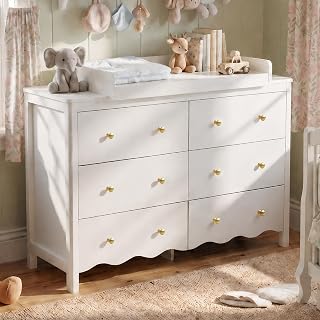
White Dresser for Bedroom, 6 Drawer Dresser with Solid Wood Legs
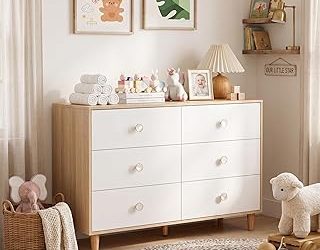
The six-drawer layout and solid wood legs give this option a more furniture-like stance than many nursery-specific competitors. It looks especially strong for parents who want a dresser that can stay in service after the changing phase, with enough enclosed storage to handle clothing growth from newborn to toddler.
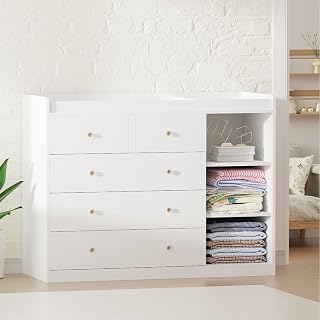
FURNJOYLIFE Nursery Dresser with Baby Changing Table
FURNJOYLIFE takes a more utility-driven approach with three drawers and open shelving, which can be a real advantage for fast access during diaper changes. We like this style for nurseries where daily essentials need to stay visible and within arm’s reach, though it may require more disciplined organization to avoid looking busy.
Nursery Dresser with Baby Changing Table White
This white wooden dresser stands out for combining a full six-drawer format with an integrated diaper-station concept, making it one of the stronger storage-forward choices in the category. If your priority is reducing nursery clutter behind closed fronts while keeping the top ready for changing duty, this is an easy contender.
BOLUO Baby Dresser with Changing Table Top
BOLUO’s six fabric drawers and storage shelf create a lighter, more flexible alternative to heavier wood-case dressers. In practical terms, that can mean easier setup and a softer budget entry point, though the trade-off is a less substantial feel than traditional drawer construction and a more casual finish overall.
Frequently Asked Questions
Is a nursery dresser changing table better than a separate changing table?
For most rooms, yes. A combo unit uses floor space more efficiently and keeps clothing, diapers, and supplies consolidated in one work zone. Separate changing tables can still make sense if you already own a dresser you love or need a very compact station, but a combined dresser usually delivers better long-term value.
How many drawers do I need in a nursery dresser?
That depends on whether this will be your main clothing storage or just a diapering station with overflow space. Five to six drawers is a strong sweet spot for families who want the dresser to carry everyday baby clothing, swaddles, pajamas, and backup linens. Fewer drawers can work well when open shelves or a closet are doing part of the job.
Are fabric-drawer nursery dressers worth considering?
They can be, especially if you want something lighter, easier to move, and usually more budget-friendly. The compromise is that fabric drawers generally feel less refined, hold structure differently under heavier loads, and may not offer the same polished look or longevity as wood drawers. They work best when convenience matters more than heirloom-level build.
What safety features matter most?
Stable stance, reliable hardware, and proper wall anchoring matter more than flashy extras. You also want a changing surface that accommodates a pad securely and enough top depth to avoid feeling cramped. As with any nursery furniture, following the manufacturer’s assembly and anti-tip guidance is essential.
Final Thoughts
If you want the most versatile all-around option, the White Dresser for Bedroom, 6 Drawer Dresser with Solid Wood Legs is one of the easiest to recommend for long-term use. For more dedicated nursery functionality, the FURNJOYLIFE Nursery Dresser with Baby Changing Table offers quick-access convenience, while the Nursery Dresser with Baby Changing Table White is a strong pick for buyers who want fuller enclosed storage with a clean, kid-room-friendly look.