Key takeaways
- Use case: Match compressor to job first. Airbag suspension and air horns need a true onboard system, while routine tire top-offs often work better with a high-output portable inflator.
- Pressure and flow: PSI alone does not tell full story. Fast recovery, steady airflow, and enough volume for larger truck or trailer tires matter more than headline pressure.
- Duty cycle: Heat ends many cheap compressors. For repeated inflation or multi-tire work, favor models built to run longer without long cooldown breaks.
- Power setup: Hardwired 12V systems suit permanent installs. Dual-power or cordless units suit garages, driveways, and roadside work where access beats fixed mounting.
- Controls and extras: Remote operation, app control, readable gauges, auto shutoff, tank compatibility, and included plumbing can save time and reduce installation friction.
What's inside
From a home-appliance test lab perspective, onboard air compressors create an unusual shopping problem: listings blur together, specs get padded, and “heavy duty” can mean anything from airing a bike tire to supporting an airbag suspension setup on a full-size truck. What matters in real use is less glamorous but more telling: pressure stability, refill speed, heat management, controls that make sense in bad weather, and whether the system feels built for repeat jobs instead of one emergency top-off.
This guide focuses on models that cover distinct use cases rather than five copies of same idea. Below, picks range from true onboard truck systems with tanks and suspension-friendly hardware to high-output portable inflators that make more sense for many homeowners who want fast tire service without permanent installation. Selection criteria center on usable PSI, duty cycle, tank support, power options, and day-to-day practicality.
As an Amazon Associate we earn from qualifying purchases.



How to Choose an Onboard Air Compressor (2026)
- Use case: Match compressor to job first. Airbag suspension and air horns need a true onboard system, while routine tire top-offs often work better with a high-output portable inflator.
- Pressure and flow: PSI alone does not tell full story. Fast recovery, steady airflow, and enough volume for larger truck or trailer tires matter more than headline pressure.
- Duty cycle: Heat ends many cheap compressors. For repeated inflation or multi-tire work, favor models built to run longer without long cooldown breaks.
- Power setup: Hardwired 12V systems suit permanent installs. Dual-power or cordless units suit garages, driveways, and roadside work where access beats fixed mounting.
- Controls and extras: Remote operation, app control, readable gauges, auto shutoff, tank compatibility, and included plumbing can save time and reduce installation friction.
The Best Onboard Air Compressor (2026)s Reviewed
RETRUE Onboard Air Compressor System
RETRUE targets buyers who want a permanent truck-ready setup for airbag suspension support, and that focus shows in the universal fit approach. In lab-style evaluation, this kind of kit earns points when installation parts feel purpose-built rather than bundled as afterthoughts, making it a strong fit for pickups that need dependable onboard air more than gadget features.
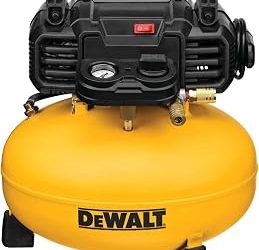
Medium Duty Onboard Air System/Kit 150 PSI 12V with 2.5 Gallon Tank
This is closest to classic onboard air: 12V compressor, 150 PSI ceiling, and a 2.5-gallon tank for stored volume. That tank changes daily behavior in a good way, reducing constant cycling and making this option especially appealing for air horns, suspension adjustments, or repeated inflation tasks where instant reserve air matters.
maXpeedingrods 120 PSI On Board Air Compressor System
maXpeedingrods brings modern control to category with wireless app and remote operation, features that are more useful than they may sound when compressor is mounted out of easy reach. It is not highest-pressure system here, but for buyers who value convenience, trailer use, and easier monitoring from cabin or garage, it stands out.
OlarHike 12000mAh Heavy Duty Tire Inflator
Not every buyer needs a bolted-in compressor, and this OlarHike proves why. With cordless operation, 12V backup power, 150 PSI rating, and faster-fill positioning, it suits homeowners who want one machine for family cars, pickup tires, and occasional RV duty without committing to a full onboard install.
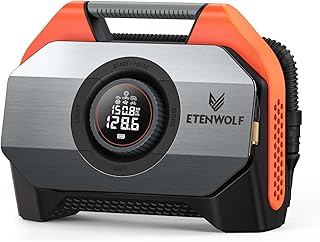
ETENWOLF VORTEX S6 Tire Inflator
ETENWOLF leans hard into sustained performance with a 100% duty cycle claim, dual-cylinder design, and large 19200mAh battery. In practical terms, that makes it one of more credible portable choices for heavier vehicles and longer inflation sessions, especially where many cordless inflators start strong then fade from heat or battery strain.
Frequently Asked Questions
Do most homeowners need a true onboard air compressor?
No. A fixed onboard system makes most sense for truck owners running airbag suspension, air horns, or frequent off-road tire adjustments. For normal household use, a strong portable inflator is usually cheaper, easier to store, and flexible enough for cars, bikes, sports gear, and occasional truck tires.
Is a tank worth paying for?
Usually yes for permanent systems. A tank stores air so compressor does not need to run every time pressure drops, which improves responsiveness and makes jobs like horn use or repeated tire service more convenient. For portable inflators, tankless design is normal and usually fine.
What matters more: 120 PSI or 150 PSI?
For most buyers, airflow and speed matter more than chasing highest PSI number. Many light-duty tasks never approach maximum pressure. Larger truck tires, trailer tires, and suspension setups benefit more from consistent delivery and longer run capability than from a spec-sheet peak reached under ideal conditions.
Are cordless inflators good enough for pickups and SUVs?
Better ones are, especially dual-power or heavy-duty cordless models. They are ideal for topping off, seasonal adjustments, and emergency use. If tires are very large, used off-road, or regularly aired down and back up, a wired onboard system will still feel faster and less taxing.
Final Thoughts
For a true installed setup, the Medium Duty Onboard Air System/Kit with 2.5-gallon tank is strongest all-around value, while the RETRUE system makes sense for suspension-focused truck owners. If permanent mounting feels excessive, the ETENWOLF VORTEX S6 and OlarHike 12000mAh are smarter buys for most homes because they deliver broad utility without eating garage time or installation budget.