Key takeaways
- Pressure Range: Deck boards need controlled force, not maximum brag-sheet PSI. For most wood decks, a machine with solid mid-range output and a wider spray tip is safer than chasing highest advertised pressure.
- Nozzle Selection: Look for multiple quick-connect nozzles. A 25-degree or 40-degree tip usually gives better deck coverage, while a soap setting helps lift mildew and old dirt before rinsing.
- Machine Stability: Deck cleaning involves frequent turns, hose pulls, and movement across uneven planks or patio edges. Anti-tipping designs and low-center builds make a noticeable difference in day-to-day use.
- Reach and Mobility: Hose length, cord length, and carry design matter more than many buyers expect. Longer reach means fewer stops, less dragging across furniture, and cleaner work around railings, steps, and perimeter boards.
- Power Source: Electric washers suit most suburban deck jobs because they start fast, run quieter, and need less upkeep. Gas models fit larger decks, deep neglect cleanup, or homes where outlet access and runtime flexibility matter more.
What's inside
Deck cleaning sounds simple until a washer either strips soft wood, leaves dark grime in the grain, or turns a one-hour job into a half-day fight with cords, hoses, and weak spray. In lab-style home-appliance testing, deck models separate fast: the good ones hold steady pressure, rinse evenly across boards, stay manageable around rail posts and stairs, and give enough nozzle control to clean without carving lines into the surface.
This guide focuses on pressure washers that make sense for real deck maintenance in 2026, with special attention to stability, usable power, nozzle selection, and handling on outdoor surfaces. Picks below include electric units for routine household care, a gas model for larger properties, and lighter portable options for buyers who want easier storage and quick setup.
As an Amazon Associate we earn from qualifying purchases.




How to Choose a Pressure Washer For Deck Cleaning (2026)
- Pressure Range: Deck boards need controlled force, not maximum brag-sheet PSI. For most wood decks, a machine with solid mid-range output and a wider spray tip is safer than chasing highest advertised pressure.
- Nozzle Selection: Look for multiple quick-connect nozzles. A 25-degree or 40-degree tip usually gives better deck coverage, while a soap setting helps lift mildew and old dirt before rinsing.
- Machine Stability: Deck cleaning involves frequent turns, hose pulls, and movement across uneven planks or patio edges. Anti-tipping designs and low-center builds make a noticeable difference in day-to-day use.
- Reach and Mobility: Hose length, cord length, and carry design matter more than many buyers expect. Longer reach means fewer stops, less dragging across furniture, and cleaner work around railings, steps, and perimeter boards.
- Power Source: Electric washers suit most suburban deck jobs because they start fast, run quieter, and need less upkeep. Gas models fit larger decks, deep neglect cleanup, or homes where outlet access and runtime flexibility matter more.
The Best Pressure Washer For Deck Cleaning (2026)s Reviewed
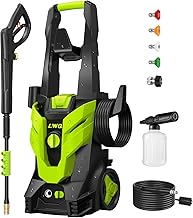
AIVOLT 4800PSI Electric Pressure Washer
In testing terms, this AIVOLT stands out for user-friendly control: four wheels, broad accessory coverage, and enough hose-and-cable reach to work a deck perimeter without constant repositioning. It is a strong fit for buyers who want an electric model that feels less fussy during longer cleaning sessions and more capable on mixed surfaces like deck boards, stairs, and adjacent concrete.
Westinghouse ePX3500 Electric Pressure Washer
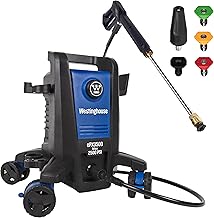
The ePX3500 is one of the smartest deck-cleaning layouts in this group because its anti-tipping platform stays composed when the hose gets tugged sideways. Its output profile, soap tank, and five-nozzle set make it especially practical for routine seasonal cleaning, where control and consistency matter more than raw headline numbers.
4200PSI Gas Pressure Washer 4.0GPM 212CC
This gas unit is built for heavier-duty cleanup, with stronger flow potential and the kind of working pace that suits bigger decks, fencing lines, and neglected outdoor areas. For large properties or thick organic buildup, it brings more serious cleaning muscle, though noise, weight, and maintenance demands push it toward experienced owners rather than casual users.
Westinghouse ePX3100 Electric Pressure Washer
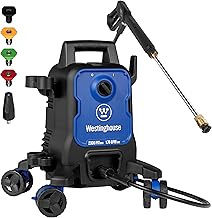
The ePX3100 hits a sweet spot for homeowners who want deck-safe cleaning power in a compact electric chassis. Its anti-tipping design and balanced nozzle set help it perform above its size class, especially on composite decking and lighter wood maintenance jobs where even rinsing matters.
Westinghouse ePX3100v Electric Pressure Washer
The ePX3100v is lighter and simpler than some rivals, which makes it appealing for smaller homes, tighter storage spaces, and quick weekend cleanups. Built-in portability and a detachable foam cannon give it good everyday usability, though it is better suited to maintenance washing than major restoration work.
Frequently Asked Questions
What PSI is best for cleaning a deck?
For most decks, moderate usable pressure with the right spray tip beats extreme advertised PSI. Wood can be damaged by concentrated spray, so technique, nozzle choice, and distance from the surface matter as much as machine output.
Is electric or gas better for deck cleaning?
Electric is better for most households because it is quieter, easier to start, and simpler to maintain. Gas makes more sense for very large decks, heavy staining, or properties where you need stronger flow and do not want to rely on nearby outlets.
Can a pressure washer damage deck boards?
Yes. Too much pressure, a narrow nozzle, or holding the wand too close can fur the wood, leave visible streaks, or etch softer boards. A wide-angle tip and steady passes are safer, especially on older decks.
Which features matter most for beginners?
Stable wheels, quick-connect nozzles, enough hose reach, and easy storage make biggest difference for first-time buyers. A washer that is easy to move and easy to control usually produces better results than a more powerful machine that feels awkward in use.
Final Thoughts
For most homeowners, the Westinghouse ePX3500 is strongest all-around choice for deck cleaning because it balances control, stability, and ease of use. The AIVOLT 4800PSI Electric Pressure Washer is a compelling pick for buyers who want more reach and accessories, while the Westinghouse ePX3100 remains a smart value option for routine seasonal care.