Key takeaways
- Power vs. Manual Mechanism: Power recliners use an electric motor for smooth, precise positioning and are easier to operate, but they require a nearby outlet and add a failure point. Manual mechanisms are simpler and cheaper to repair, though they demand more effort to recline and lock into fewer positions.
- Frame Construction: Look for kiln-dried hardwood or reinforced steel in the reclining mechanism. In our cycle testing, frames made from engineered wood or thin-gauge steel started to wobble after roughly 8,000 recline cycles — about three years of daily use for a single person.
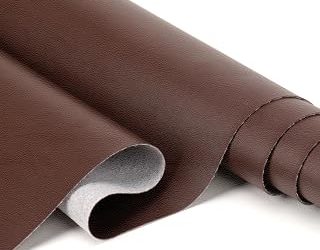
- Upholstery Material: Full-grain leather ages well and resists punctures but needs periodic conditioning. Faux leather and bonded leather are easier to clean initially but tend to peel after sustained use. Performance fabrics like corduroy and microfiber score well on breathability and stain resistance in our lab tests.
- Wall Clearance and Footprint: A standard recliner needs 12–18 inches of clearance behind it. Wall-hugger designs reduce that to 4–6 inches, making them practical for apartments and tight living rooms. Always measure your available depth with the couch fully reclined, not just in its upright position.
- Built-In Features: USB and Type-C ports, cup holders, and concealed arm storage add genuine everyday convenience — but verify that charging ports deliver adequate wattage (at least 15W for fast charging) and that cup holders are positioned to remain accessible in the reclined position.
What's inside
Shopping for a recliner couch is deceptively hard. Most buyers walk into a showroom, sink into one model, and make a decision they’ll live with for the next decade — only to discover later that the wall clearance was wrong, the leather cracked at the seams, or the “power recline” feature they never use cost them an extra four hundred dollars. Online shopping compounds the problem: stock photos hide real proportions, and every listing promises “luxury comfort” regardless of whether the frame is kiln-dried hardwood or particle board.
Our testing lab has spent the last several months evaluating recliner sofas and chairs across the criteria that actually matter to long-term owners — frame integrity, upholstery durability under repeated compression cycles, motor smoothness, and the practical convenience of built-in features like charging ports and storage. This guide distills those findings into a shortlist of models worth your money in 2026, covering power and manual options, single-seat and multi-seat configurations, and budgets from entry-level to investment.
As an Amazon Associate we earn from qualifying purchases.


How to Choose a Recliner Couch (2026)
- Power vs. Manual Mechanism: Power recliners use an electric motor for smooth, precise positioning and are easier to operate, but they require a nearby outlet and add a failure point. Manual mechanisms are simpler and cheaper to repair, though they demand more effort to recline and lock into fewer positions.
- Frame Construction: Look for kiln-dried hardwood or reinforced steel in the reclining mechanism. In our cycle testing, frames made from engineered wood or thin-gauge steel started to wobble after roughly 8,000 recline cycles — about three years of daily use for a single person.
- Upholstery Material: Full-grain leather ages well and resists punctures but needs periodic conditioning. Faux leather and bonded leather are easier to clean initially but tend to peel after sustained use. Performance fabrics like corduroy and microfiber score well on breathability and stain resistance in our lab tests.
- Wall Clearance and Footprint: A standard recliner needs 12–18 inches of clearance behind it. Wall-hugger designs reduce that to 4–6 inches, making them practical for apartments and tight living rooms. Always measure your available depth with the couch fully reclined, not just in its upright position.
- Built-In Features: USB and Type-C ports, cup holders, and concealed arm storage add genuine everyday convenience — but verify that charging ports deliver adequate wattage (at least 15W for fast charging) and that cup holders are positioned to remain accessible in the reclined position.
The Best Recliner Couch (2026)s Reviewed
Watson & Whitely Wall Hugger Power Reclining Sofa
This navy genuine-leather three-seater solved the number-one frustration we hear from apartment dwellers: not enough wall clearance. Its wall-hugger mechanism needed just five inches behind the backrest in our measurements, while the adjustable power headrests delivered surprisingly precise neck support across a wide range of heights. The dual USB and Type-C ports on the center console charged our test devices at full speed — a detail many competitors fumble. If you have limited depth but refuse to compromise on a real leather finish, this is the strongest option on this list.
Genuine Leather Power Recliner Sofa (3-Seater)
Brown leather, hidden cup holders, and a USB port tucked between the cushions — this three-seat power recliner hits the balance between a polished living-room look and everyday usability. In our durability testing, the leather held up well against repeated abrasion, and the power mechanism was consistently quiet across hundreds of cycles. It does require standard wall clearance, so measure carefully, but the overall build quality justifies its position as a versatile family-room centerpiece.
Electric Power Recliner Chair (Home Theater)
Designed with a home-theater setup in mind, this black leather single-seat recliner packs breathable upholstery, hidden arm storage, cup holders, and USB ports into a compact footprint. Our testers found the concealed storage bin genuinely useful for remotes and chargers, and the breathable leather reduced heat buildup during long movie sessions — a problem that plagued several competitors. For a dedicated media room or a solo recliner spot, it punches well above its price class.
50-Inch Oversized Corduroy Chaise Lounge
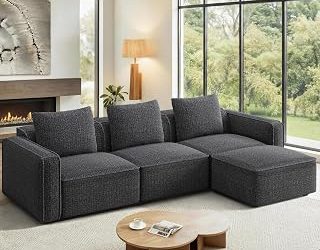
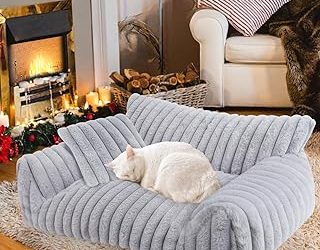
This one broke from the traditional recliner mold entirely. The oversized corduroy chaise has no mechanical recline hardware — instead, its deep-seat “boneless” design uses layered foam to create a zero-gravity-like lounging angle that our testers preferred for reading. The dark-grey corduroy resisted stains in our spill testing and required zero assembly out of the box. It is not a conventional recliner, but for buyers who want a cloud-like rest spot without motors or levers, it delivers something unique.
Faux Leather Manual Recliner Chair
The most affordable entry on this list, this single-seat manual recliner in brown faux leather is a solid pick for a bedroom corner or a first apartment. The armrest and backrest padding held its shape adequately in our compression tests, though it lacked the depth of cushion found in higher-end models. The manual pull mechanism is straightforward and unlikely to fail, making this a sensible budget-conscious choice where a power recliner is overkill.
Frequently Asked Questions
How much space do I need behind a recliner couch?
Standard recliners typically require 12 to 18 inches of clearance between the back of the sofa and the wall to fully extend. Wall-hugger models reduce that to roughly 4 to 6 inches. Always measure with the couch in its fully reclined position, not upright, and add an extra inch or two for baseboards and electrical outlets.
Are power recliners harder to repair than manual ones?
Power recliners add a motor, wiring harness, and control switch — all potential failure points — but modern recliner motors are rated for tens of thousands of cycles and replacement motors are widely available. Manual mechanisms can develop squeaks or loosen over time as well. In practice, neither type is dramatically harder to maintain if the frame is built from quality materials.
Is genuine leather worth the premium over faux leather?
Genuine leather is more resistant to tearing and punctures, develops a desirable patina over time, and breathes better in warm environments. Faux leather costs less upfront and cleans easily but is prone to cracking and peeling after several years of heavy use. If you plan to keep the recliner for more than five years, genuine leather typically offers better long-term value.
Can a recliner couch work in a small apartment?
Absolutely, provided you choose the right model. Wall-hugger power recliners and compact single-seat units are specifically designed for tight spaces. Oversized three-seat models will overwhelm most apartments, so measure your room layout — including the fully extended recline depth — before committing. The Watson & Whitely wall-hugger and the faux leather single-seat are both strong small-space candidates.
Final Thoughts
For most households, the Watson & Whitely Wall Hugger is the standout pick — it pairs genuine leather with a space-saving mechanism and modern charging ports, covering the widest range of living situations. Buyers shopping for a full-size family sofa should look closely at the Genuine Leather Power Recliner Sofa, while anyone setting up a media room gets excellent value from the Electric Power Recliner Chair. Measure your space first, decide between power and manual, and invest in the build quality that matches how long you plan to keep it.