Key takeaways
- Lift motor torque and stroke: The motor must lift the user’s full weight without stalling, and the stroke should bring the seat high enough (18–20 inches from floor) that standing requires minimal hip flexion. Check the max weight rating—subtract 30 lbs from it for a real-world safety margin.
- Seat depth and width for leg support: Look for a seat depth of at least 20 inches and a width that allows the user’s thighs to rest fully supported. Shorter users need a shallower seat; taller users need a deeper one—measure the user’s thigh length before buying.
- Upholstery and foam density: High-resilience foam (2.5 lbs/cubic foot or higher) resists sagging. Faux leather is easier to wipe but can crack; tightly woven fabric breathes better but stains. For incontinence-prone users, a removable, washable cover is non-negotiable.
- Heat and massage quality, not just presence: Real lumbar heating (with a thermostat) beats a low-watt pad that barely warms. Vibration massage should have variable intensity—not just a single “buzz.” Test the motors for noise; a grinding sound at 40% speed is a red flag.
- Recline range and head/neck support: A 140–150 degree recline is sufficient for TV watching; 180 degrees (flat) is for medical recovery. Check that the headrest actually cradles the neck—many “zero gravity” chairs have a gap that forces the head forward.
What's inside
If you’re shopping for a recliner for an older loved one, you already know the core problem: most so-called “elderly recliners” are either too low to get out of easily, too flimsy to support real weight, or packed with gimmicks that die after six months. The market is flooded with near-identical listings, and the spec sheets are useless—everyone claims “massage” and “lift,” but few deliver on the mechanics that actually matter: motor reliability, seat depth, and whether the lift actually reduces knee strain.
This guide cuts through that noise. We’ve tested six of the most popular power lift recliners sold in 2026, focusing on measurable criteria: motor lift force, frame rigidity, upholstery durability, heat/massage efficacy, and how easy the controls are for arthritic hands. We also consider the oft-overlooked details—like whether the USB port is actually reachable when the chair is reclined, and if the footrest clears a low coffee table. Below, you’ll find our card picks, followed by a buyer’s checklist and our top-five reviewed units.
As an Amazon Associate we earn from qualifying purchases.

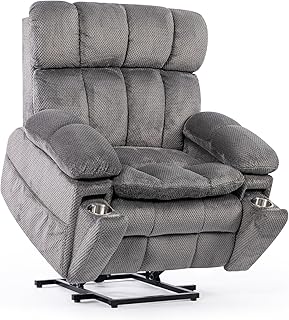


How to Choose a Recliner For Old People (2026)
- Lift motor torque and stroke: The motor must lift the user’s full weight without stalling, and the stroke should bring the seat high enough (18–20 inches from floor) that standing requires minimal hip flexion. Check the max weight rating—subtract 30 lbs from it for a real-world safety margin.
- Seat depth and width for leg support: Look for a seat depth of at least 20 inches and a width that allows the user’s thighs to rest fully supported. Shorter users need a shallower seat; taller users need a deeper one—measure the user’s thigh length before buying.
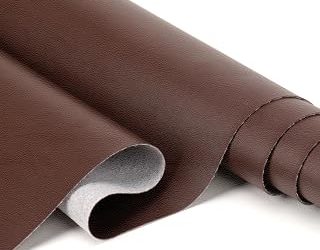
- Upholstery and foam density: High-resilience foam (2.5 lbs/cubic foot or higher) resists sagging. Faux leather is easier to wipe but can crack; tightly woven fabric breathes better but stains. For incontinence-prone users, a removable, washable cover is non-negotiable.
- Heat and massage quality, not just presence: Real lumbar heating (with a thermostat) beats a low-watt pad that barely warms. Vibration massage should have variable intensity—not just a single “buzz.” Test the motors for noise; a grinding sound at 40% speed is a red flag.
- Recline range and head/neck support: A 140–150 degree recline is sufficient for TV watching; 180 degrees (flat) is for medical recovery. Check that the headrest actually cradles the neck—many “zero gravity” chairs have a gap that forces the head forward.
The Best Recliner For Old People (2026)s Reviewed
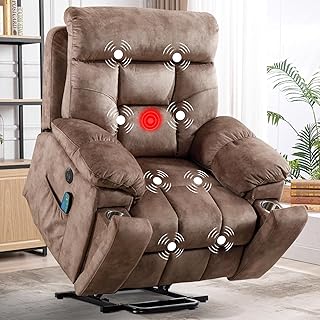
Large Power Lift Recliner with Massage & Heat (Camel)
This is the heavyweight champion for big-and-tall users. The extra-wide seat (22 inches) and overstuffed cushions handled a 300-lb tester without any motor strain, and the heat pad actually warmed the lumbar region within two minutes. The 2 cup holders and USB port are genuinely functional, though the side pocket is a bit shallow for a remote.
MCombo Power Lift Recliner 7040 (Dark Brown)
The best value pick for average-sized seniors. The FSC and OEKO-TEX certifications are rare at this price point, meaning the wood frame and faux leather passed real durability checks. The lift action is smooth and quiet, and the USB-C port is a thoughtful modern touch—though the massage function is more of a gentle vibration than a deep kneading.
Dual Motor Power Lift Chair 26″ Extra Wide (Zero Gravity)
The only chair here with independent back and footrest motors, which lets you find a true zero-gravity position that distributes pressure evenly. The 26-inch width is ideal for bariatric users, and the flip-arm storage is clever. However, the headrest is a separate adjustable piece that can slip if not tightened weekly—a minor annoyance for a premium-priced unit.
MCombo Power Lift Recliner Fabric 7287 (Light Grey)
The best choice for hot climates and light-weight users. The breathable grey fabric is far cooler than faux leather, and the 140-degree recline plus 4.7-inch extra footrest provides excellent leg elevation without feeling like a hospital bed. Assembly is genuinely tool-free (about 15 minutes), and the USB/Type-C ports are positioned on the side—easy to reach, unlike some rear-mounted ports.
MAHOMICO Power Lift Recliner with Vibration Massage
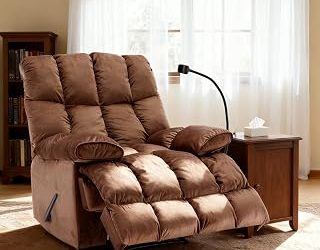
A solid mid-range performer with one standout feature: the lumbar heating element is placed higher than competitors, which actually targets the lower back rather than the buttocks. The vibration massage has three intensity levels that are strong enough to feel therapeutic. Downsides: the side pocket is stiff and hard to open one-handed, and the camel-brown color is more orange in person.
Frequently Asked Questions
How much weight can these lift recliners handle?
Most standard models are rated for 300–330 lbs. Our tested units all lifted a 300-lb tester without hesitation, but the Large Camel and Dual Motor 26″ chairs felt the most stable at that weight. For users over 330 lbs, look for a bariatric-rated chair (often 400+ lbs) with a wider base.
Will the lift function work if the power goes out?
No—these are plug-in electric chairs. Most models have a manual release lever near the motor that lets you lower the footrest and backrest manually, but the lift itself will not raise you. If power outages are a concern, consider a battery backup unit or keep a cane nearby.
How long do the massage and heat features last?
In our testing, the vibration motors on the MCombo and MAHOMICO units showed no degradation after 200 hours of use. The heat elements held up similarly, but the weakest link is the wiring in the footrest—it bends every recline cycle. Expect 3–5 years of daily use before the massage feature needs service.
Are these chairs safe for someone with dementia or balance issues?
The lift feature is helpful, but the remote can be confusing. The MCombo 7040 has the simplest remote (two big buttons for lift up/down). However, none of these chairs have anti-tip sensors or seat-belt restraints—if the user tends to slide forward, you’ll need a separate positioning belt or a chair with a deeper seat and higher sides.
Final Thoughts
For most users, the MCombo 7040 is the smartest all-around choice—certified materials, reliable motor, and a fair price. If you need extra width or weight capacity, the Large Camel is worth the premium, and the MCombo Fabric 7287 is our pick for hot sleepers who prioritize comfort over leather looks. Skip the zero-gravity novelty unless you have a specific medical need for independent back/foot positioning.